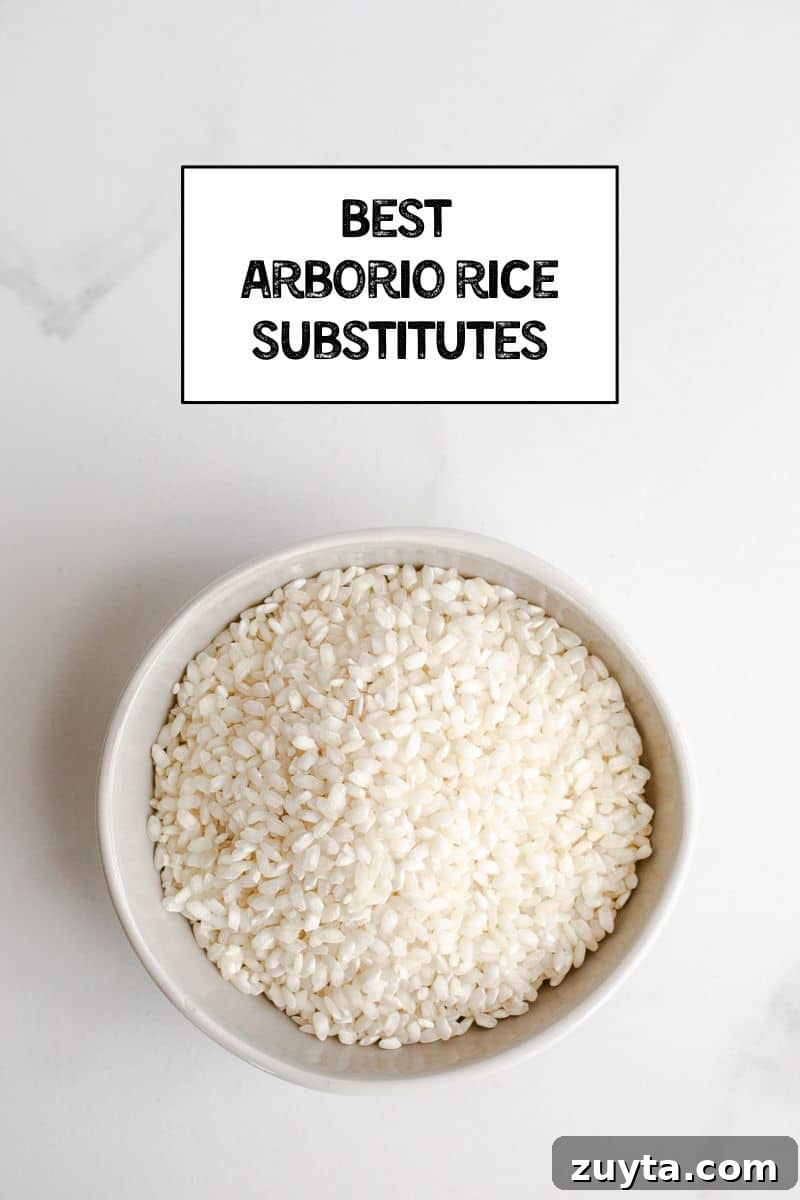
Looking for an Arborio rice substitute? This guide covers the best alternatives — from Italian short-grain varieties like Carnaroli and Vialone Nano to gluten-free options such as quinoa and millet. Learn how to swap ingredients and adjust cooking times and liquid ratios to get similar creamy results in risottos, puddings, soups, and more.
What is arborio rice?
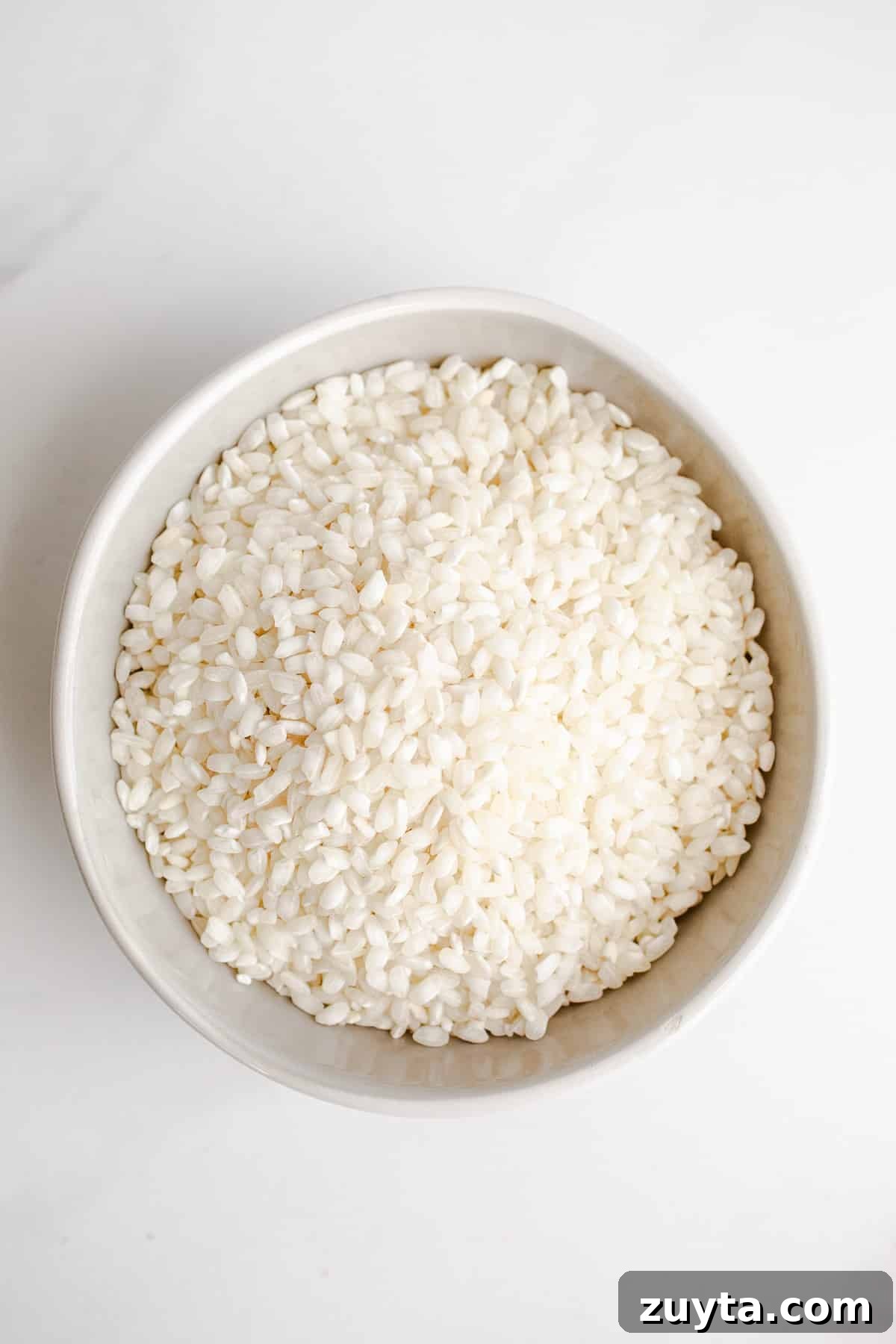
Arborio rice is a short-grain rice traditionally grown in northern Italy. Named after the town of Arborio, it is prized for its plump grains and high amylopectin starch content, which gives dishes a rich, creamy texture. While most commonly associated with risotto, Arborio also works well in rice pudding, soups, arancini, and some paella-style dishes.
Uses
Arborio rice is chosen when a dish benefits from creaminess, starch-driven body, and an ability to absorb flavors. Common uses include:
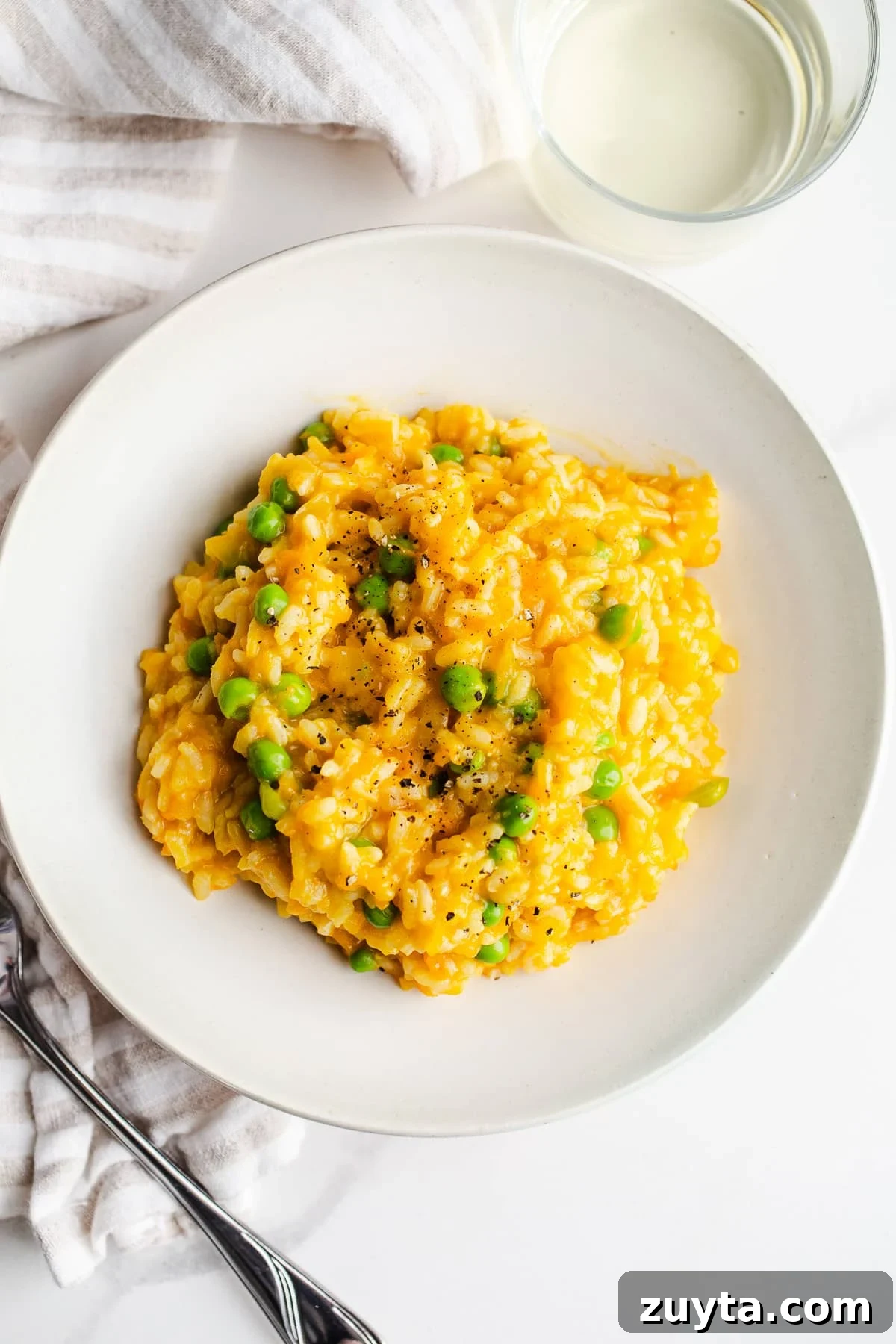
Risotto – The classic application. Arborio is sautéed, then simmered slowly with wine and hot broth to release starch and create a creamy texture. Variations include mushroom, seafood, and vegetable risottos.
Rice pudding – The starch yields a smooth, custard-like consistency ideal for sweet puddings.
Arancini – Leftover risotto forms the base for these fried rice balls, often filled with cheese or meat.
Paella-style dishes – Though paella traditionally uses different rice, Arborio can work when you want a creamier result.
Stuffed vegetables – Arborio makes a tender, flavorful filling for peppers, tomatoes, and squash.
Soups and stews – Added to brothy soups, Arborio contributes body and a pleasant, hearty mouthfeel.
Rice salads – Cooked and cooled, the grains can be used in warm or chilled salads.
What is a good substitute for arborio rice?
There isn’t a single perfect gluten-free substitute for Arborio, but several grains and rice varieties can work depending on the dish and the texture you want. Below are reliable alternatives and practical tips for swapping them in.
1. Carnaroli rice
Carnaroli is often called the “king” of risotto rice. It has a high starch content and a slightly firmer texture than Arborio, which helps it hold shape while still producing a creamy finish.
Substitution tip: Use a 1:1 ratio for rice and liquid. Carnaroli may need a few extra minutes of cooking to reach the ideal al dente texture.
2. Vialone Nano rice
Vialone Nano absorbs liquids well and remains relatively firm, making it a traditional choice for risottos from the Veneto region.
Substitution tip: Use a 1:1 ratio but watch the liquid—Vialone Nano can require slightly less and often cooks faster than Arborio.
3. Short-grain brown rice
Short-grain brown rice has a nutty flavor and chewier texture. It won’t release as much starch, so dishes will be less creamy unless you compensate.
Substitution tip: Use 2.5–3 cups of liquid per cup of rice and cook 45–50 minutes. To restore creaminess, stir in cream, cheese, or a starchy vegetable puree near the end.
4. Bomba rice
Bomba is a Spanish short-grain rice prized for absorbing a lot of liquid while remaining separate. It’s common in paella but can be used when you want distinct grains with deep flavor absorption.
Substitution tip: Use a 1:1 ratio and increase liquid by 25–50% to match its absorption. Expect slightly firmer, more separate grains than Arborio.
5. Sushi rice
Sushi rice (short-grain) becomes sticky and creamy when cooked and is a reasonable replacement when you want that cohesive, rich texture.
Substitution tip: Use a 1:1 ratio and reduce cooking time slightly, as sushi rice can cook faster than Arborio.
6. Quinoa
Quinoa is a gluten-free seed that cooks quickly and absorbs flavor well. It won’t mimic Arborio’s starchiness exactly, but it can create satisfying, risotto-like dishes with a nutty note.
Substitution tip: Use 1 cup quinoa to 2 cups liquid and cook 15–20 minutes. Add cream, cheese, or a bit of milk at the end to boost creaminess.
7. Millet
Millet is a mild, gluten-free grain that can soften into a porridge-like consistency, making it suitable for creamy preparations.
Substitution tip: Use 1 cup millet with 2.5–3 cups liquid and cook about 20–25 minutes, stirring occasionally to encourage a creamy texture.
Tips
- Adjust cooking time: Different grains cook at different speeds. Be prepared to lengthen or shorten cooking based on the substitute you choose.
- Mind liquid ratios: Each grain absorbs liquid differently. Start with recommended ratios and add hot liquid gradually to reach the texture you want.
- Stirring: Constant stirring promotes starch release for rice-based risottos. For other grains, occasional stirring is usually enough; adjust based on the grain’s behavior.
- Boost creaminess: If a substitute doesn’t release starch like Arborio, add cream, milk, cheese, butter, or a starchy vegetable puree at the end to approximate the mouthfeel of a classic risotto.
- Experiment: Flavor and texture will vary. Try different grains to find the balance you prefer and don’t be afraid to mix grains for interesting textures and flavors.
FAQs
Short-grain rice is plump and becomes sticky when cooked, making it ideal for risotto and sushi. Medium-grain rice is slightly longer and less sticky but still tender—good for paella and rice salads. Long-grain rice stays separate and fluffy, which suits pilafs and fried rice.
Yes, you can cook Arborio like regular rice, but it will produce a denser, creamier result rather than the fluffy, separate grains typical of long-grain rice. Its higher starch content is what creates the characteristic risotto texture.
Conclusion
Several rice varieties and gluten-free grains can replace Arborio depending on your recipe and desired texture. Carnaroli, Vialone Nano, and sushi rice are the closest in performance for classic risotto. Quinoa and millet provide suitable gluten-free alternatives that adapt well to creamy preparations when paired with additional dairy or vegetable-based binders.
When substituting, consider differences in flavor, texture, and cooking time. Adjust liquid ratios and finishing ingredients to achieve the best possible result for your dish.
More gluten-free substitute guides
-
Best Sorghum Flour Substitutes
-
Best Chickpea Flour Substitutes
-
Best Oat Substitutes for Oatmeal (Gluten-Free)
-
Best Gluten-Free Barley Substitutes