Happy Monday! It’s a dark, rainy morning here in Nashville and I struggled to get out of bed. With rain in the forecast for the whole week, I’ll be relying on extra coffee to get me through.
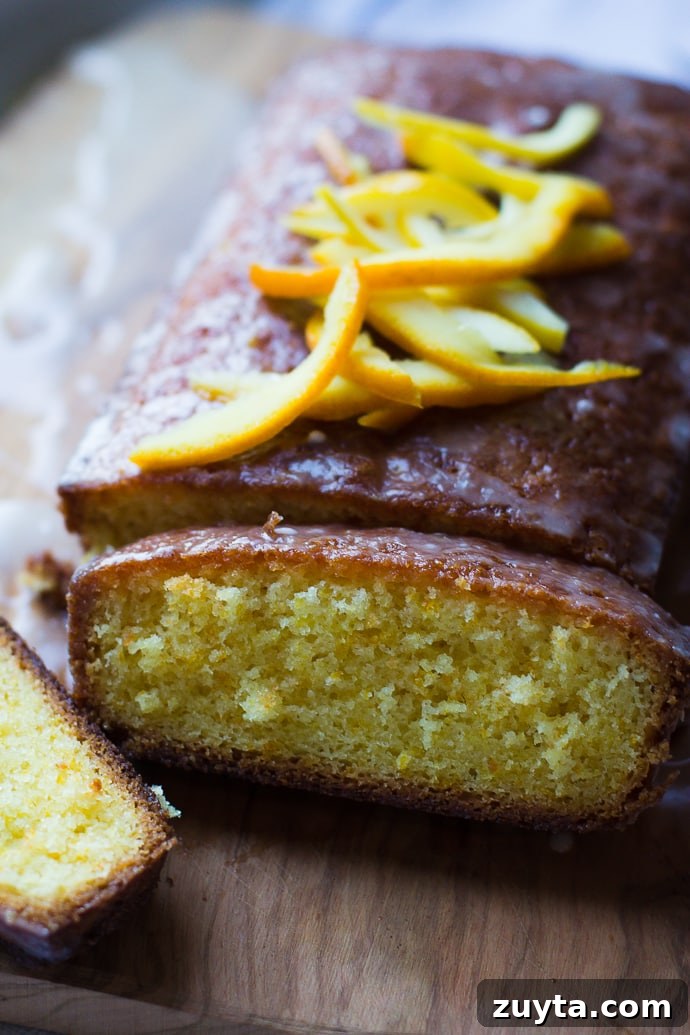
To brighten the day, how about a slice of cake?
When I first started this blog, baking felt intimidating. I’ve come a long way since then, and now I’m comfortable enough to join a few fellow bloggers in baking along with the Great British Bake Off (GBBO). If you haven’t watched it, GBBO is a televised baking competition from the UK with weekly themes—cakes, biscuits, bread—and three distinct challenges per episode. One contestant is named star baker each week and, sadly, someone leaves the tent.
Last year I followed Amanda from Rhyme & Ribbons as she baked along with the show, and this season I couldn’t resist joining in when invited. The Madeira cake below is adapted from a recipe used by one of the bakers who won the first episode of this season. (Full disclosure: from what I’ve heard, that same baker was eliminated in the next episode.)
This Zesty Madeira cake is straightforward to make, though I had to translate some measurements and figure out the correct oven temperature. If you use cups and Fahrenheit, check your preferred conversion chart before you start. I also made a few small adjustments to the original method to suit my loaf pan and taste; I’ve noted those changes in the instructions.
One tip from the show: a traditional Madeira cake often features a prominent crack along the top. I tried, but my loaf didn’t split the way the judges expect—still delicious, though a bit less photogenic.
This recipe was adapted from a BBC Food recipe. Below you’ll find clear ingredient quantities and step-by-step instructions for a single 1-pound loaf.
Zesty Madeira Cake & the Great British Bake Off
By Brita Britnell
Prep: 15 mins • Cook: 50 mins • Total: 1 hr 5 mins • Servings: 1 loaf
Ingredients
For the cake:
- 2/3 cup superfine sugar
- 2/3 cup unsalted butter, plus extra for greasing
- 3 large eggs
- 1 3/4 cups self-rising flour
- Pinch of salt
- Zest of 2 oranges
- Zest of 1 large lemon
For the topping:
- 1/2 cup water
- Juice and thinly sliced rind of 1 orange
- Juice and thinly sliced rind of 1 lemon
- 1/3 cup superfine sugar
- 2/3 cup icing (confectioners’) sugar
Instructions
- Preheat the oven to 350°F (about 175°C). Thoroughly butter a 1-pound loaf pan and line it with parchment paper. Place a cookie sheet on the bottom rack of the oven to help prevent the base from browning too quickly.
- In a stand mixer or using an electric whisk, cream the superfine sugar and unsalted butter until pale and fluffy. This aerates the batter and gives the cake a fine crumb.
- Add the eggs one at a time, beating well between each addition so the mixture stays smooth and doesn’t split.
- Gently fold in the self-rising flour, a pinch of salt, and the citrus zests until just combined. Avoid over-mixing; you want a light, even batter.
- Pour the batter into the prepared loaf pan and bake for approximately 50 minutes. Begin checking the cake at around 30 minutes and again at 40 minutes. If the top starts to over-brown, loosely cover the pan with foil for the remainder of the bake.
- Test for doneness by inserting a toothpick into the center of the loaf: it should come out clean or with a few moist crumbs. When done, remove from the oven and allow the cake to cool slightly in the pan while you prepare the syrup topping.
- For the syrup, cut the orange and lemon rind into very thin strips. In a small saucepan over low heat, combine 1/2 cup water and 1/3 cup superfine sugar, stirring gently until the sugar dissolves. Bring to a simmer, add the thin rind strips (reserve a few for decoration), and cook for about 5 minutes until the rind becomes translucent and the syrup thickens slightly.
- Brush the warm syrup over the still-warm cake, allowing it to soak in. Set the cake aside to cool completely in the pan. Once fully cooled, remove the loaf from the tin and peel off the parchment paper.
- To make the icing, mix the orange and lemon juices together. Gradually add the juices to the icing sugar until you reach a thin drizzling consistency—start with a teaspoon or two and add more as needed. Drizzle the icing over the cooled cake and finish with a few thin strips of citrus rind for garnish.
- Slice and enjoy. This cake pairs nicely with tea or a cup of coffee and keeps well for several days if wrapped airtight. For longer storage, freeze slices wrapped individually.
Next week on the bake-along: biscuits—the British kind. (I still get confused by British biscuits versus the fluffy buttery biscuits I grew up with, which are closer to scones.)