I hate wasting food, and I try to make the most of everything in the kitchen.
Vegetables and meats are easy to repurpose: they become salads, soups, stir-fries, or fried rice. Fruits, however, can spoil quickly, and spices are the real challenge. When we packed up the kitchen to move, I discovered that almost every spice on our shelf was more than six years old. I even found a container of mustard powder from 2001 tucked in the back of the pantry. That led me to ask the obvious question: what is the shelf life of spices? I received conflicting answers—one spice company recommended replacing spices every six months, while some online sources suggested one to two years and others said three to four years.
Over time spices lose aroma and potency; some can even develop off odors if stored improperly. And since many high-quality spices and fresh herbs are expensive, wasting them feels especially wrong. Fresh herbs carry the same cost issue, which is why we grow our own when possible. But during off seasons or busy weeks, maintaining a full herb garden isn’t always practical. Recipes often call for a little of several different herbs—one tablespoon of minced mint or a small sprig of rosemary—so buying full bunches repeatedly adds up. The question becomes: how do you keep the unused portion fresh without wasting money or food?
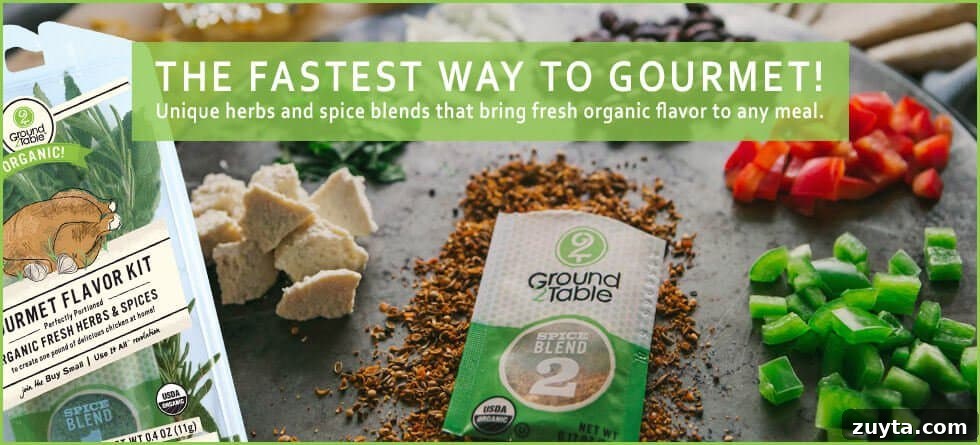
 Ground 2 Table is an appealing idea for anyone who dislikes waste. Their concept, “Buy small, use it all,” focuses on single-use or small-batch spice blends and flavor kits. The blends are non-GMO, organic, salt-free, sugar-free, and kosher. Because the packets are sized for one to three uses, you don’t open a large jar and let the rest lose flavor while it sits on the shelf.
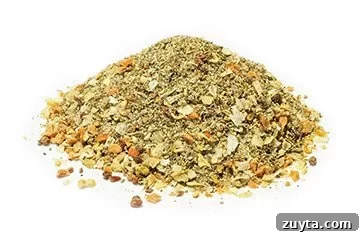 My favorite blend from their range is an All-Purpose mix that combines organic onion and garlic with black pepper, cayenne, lemon peel powder, bay leaf, ground mustard, cumin, and coriander. It’s a versatile mix that works well on vegetables, meats, and in dressings—perfect when you need a reliable, fresh-tasting seasoning without opening a whole jar of each individual spice.
Buying small doesn’t mean compromising on quality or variety. Small batches encourage more mindful use: you’re more likely to use what you buy quickly and to notice when something is past its prime. That helps reduce waste and keeps flavors bright in your cooking. For people who cook infrequently or who shop for just one or two servings at a time, single-use kits or small sample packets can be an economical and waste-conscious choice.
Here are practical ways to extend the life of your spices and herbs while avoiding waste:
- Store spices in a cool, dark, and dry place—away from heat, light, and humidity. Avoid keeping them above the stove or next to a window.
- Buy only what you’ll realistically use within months. Small-batch or single-use packets help prevent large jars from going stale.
- Freeze excess fresh herbs in olive oil in ice cube trays or chop and freeze them in small portions. This preserves flavor for later use without having to keep an entire bunch fresh on the counter.
- Consider drying herbs you grow or receive in abundance. Dried herbs take up less space and remain usable for longer when stored properly.
- Label spice jars with the purchase or opening date so you can track freshness and rotate stock.
Product-driven solutions like compact spice kits are especially helpful for specialty meals or one-off recipes. For example, recipe-based gourmet flavor kits can provide the exact herbs and spice blends needed for a particular dish—say, a steak dinner—without forcing you to buy large quantities of rosemary, oregano, thyme, and parsley that you may not use again quickly.

Ground 2 Table Spice Giveaway
 We’re giving away one full spice blend collection from Ground 2 Table. The set includes a variety of small-batch, organic blends intended to be used quickly so the flavors stay bright and you waste less. Whether you cook for one or are trying to reduce pantry waste, a curated sample collection can be a great way to try new flavors without committing to large containers.
Reducing food waste in the spice rack is part habit and part smart shopping. Choosing small portions, using preservation techniques for fresh herbs, and storing spices correctly will keep your meals tasting fresh while saving money. If you find yourself tossing old jars or herbs that have gone limp, consider trying small-batch spice options or flavor kits that match the scale of your cooking. They can make flavorful cooking more convenient and more sustainable.