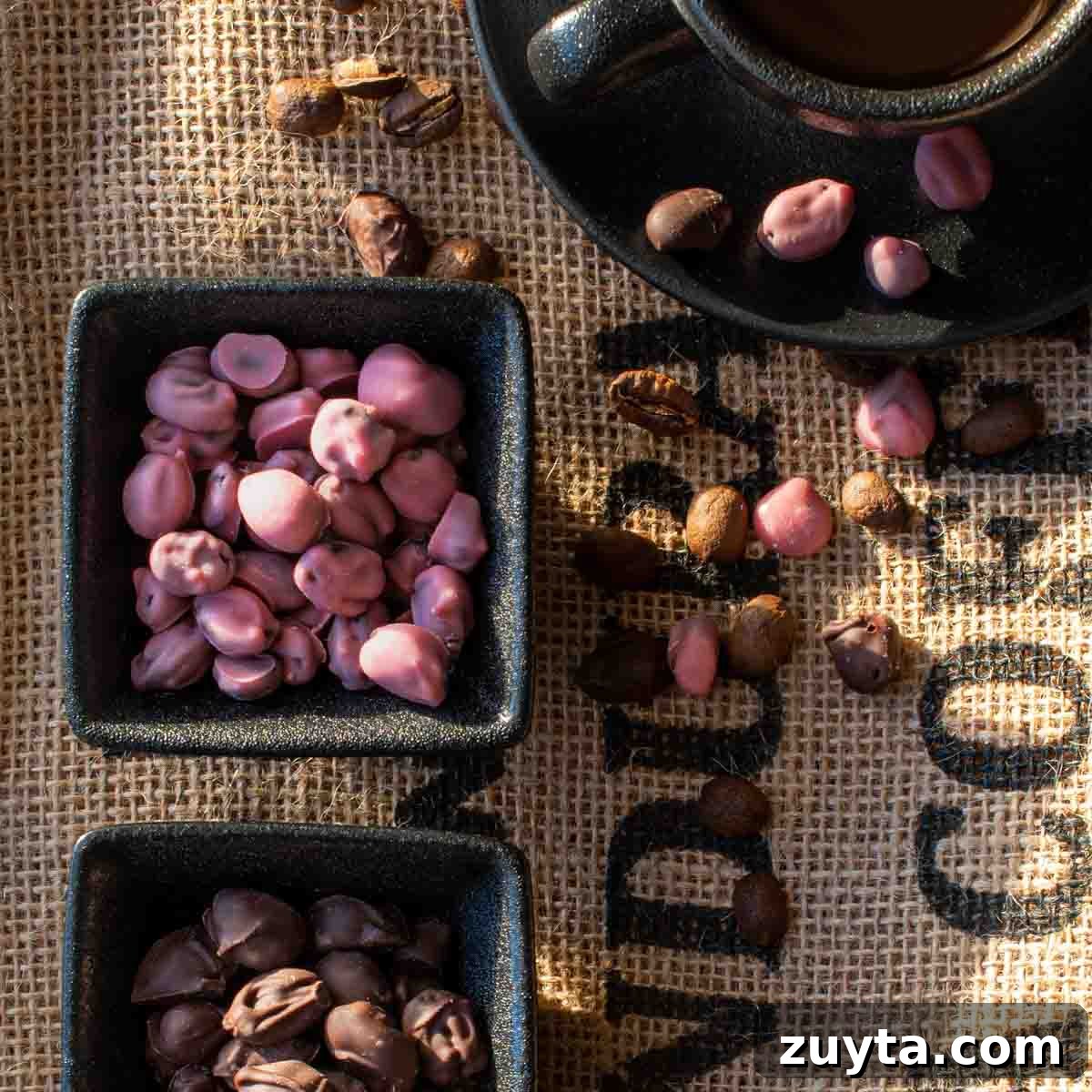
Chocolate and coffee have been inseparable companions for as long as anyone can remember. These homemade chocolate-covered coffee beans are an easy, elegant treat worth trying—crisp, intensely flavoured bites that are perfect with an after-dinner espresso, as a quick desk snack, or to tuck into a travel tin for on-the-go pick-me-ups.
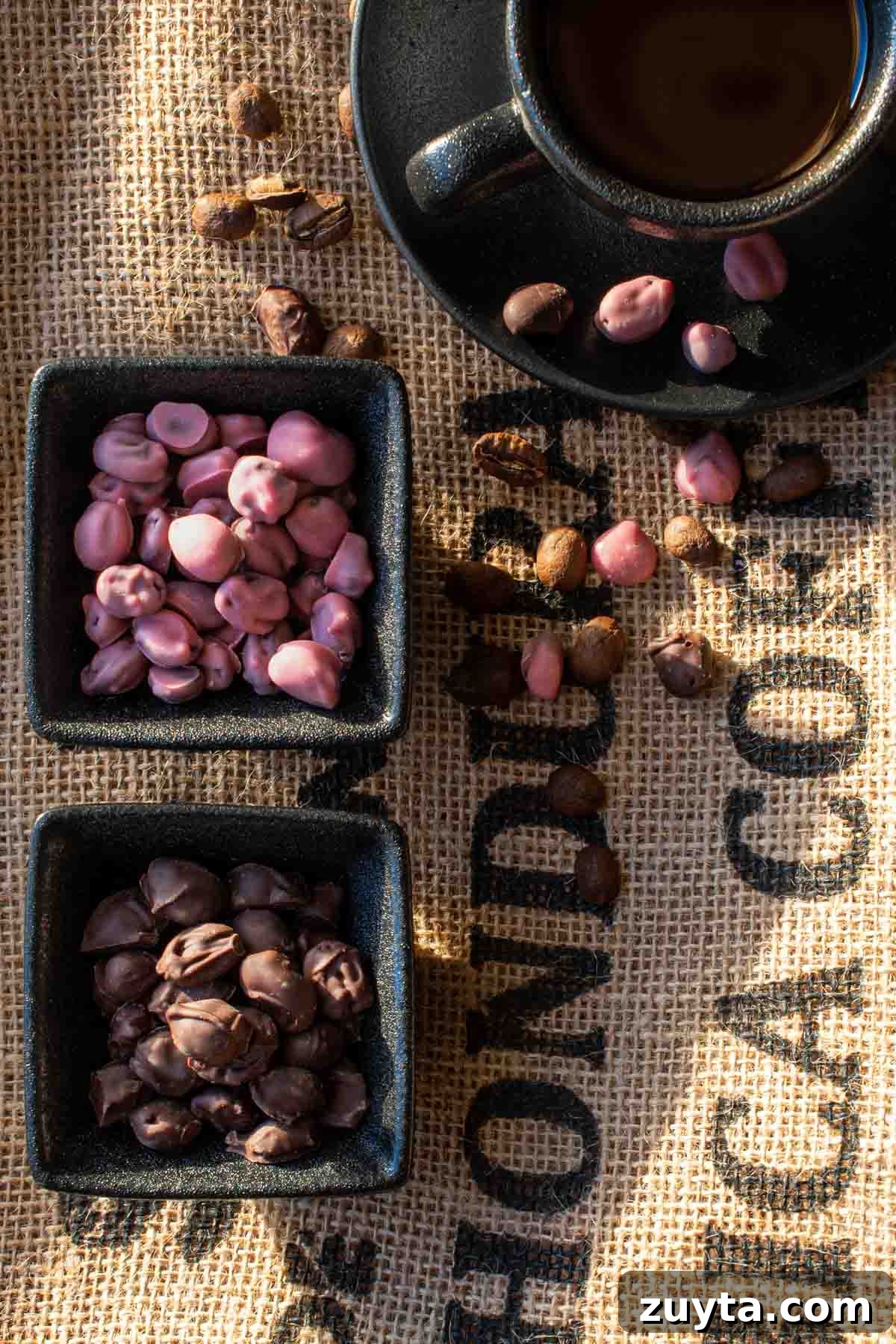
They are straightforward to make and highly customizable: coat the beans in dark, milk, white or the increasingly popular ruby chocolate. Each variety brings a different balance of sweetness and acidity, so pick what you love—or try several types for an attractive, multi-colour assortment.
What you’ll love about this recipe
- Making chocolate-covered coffee beans at home is simple, and far more affordable than store-bought versions.
- Use any chocolate you prefer—milk, dark, white or ruby—to tailor the flavour and appearance.
- A small stash keeps well and provides a quick caffeine hit and a sweet finish to a coffee break.
- This snack is naturally gluten-free and suitable for many dietary needs when using gluten-free chocolate.
Key ingredients and substitutions
Whole coffee beans
Choose fresh, high-quality whole beans. Arabica beans are an excellent choice for chocolate coating because of their smoother, more nuanced flavour; they balance well with sweetness and allow the chocolate to shine without being overwhelmed. Robusta beans are bolder and more bitter, and they contain more caffeine, which may make the finished bites much stronger. For most palates, a medium to light roast Arabica delivers the best result.
Chocolate
Pick a chocolate you enjoy eating: milk chocolate gives creamy sweetness, dark chocolate brings intensity and sophistication, white chocolate creates a sweet, delicate contrast, and ruby chocolate adds a fruity, slightly tart character and a striking pink hue. While you don’t need the most expensive bar, using reasonably good-quality chocolate will markedly improve taste and appearance. If you want a glossy finish, consider tempering the chocolate; otherwise a light dusting of good-quality cocoa powder works well.
- Milk chocolate — Sweet and creamy, it pairs well with the natural bitterness of the bean.
- Dark chocolate — Rich and bold; it complements coffee’s roasted notes.
- White chocolate — Sweet and smooth, it creates a pronounced contrast to the bean’s flavour.
- Ruby chocolate — Fruity and slightly tangy, it produces a unique flavour profile and attractive colour.
How to make chocolate covered coffee beans
- Prepare a work surface with baking or parchment paper. Have two forks and a spoon or spatula to hand.
- Melt the chocolate gently using a double boiler: place a heatproof bowl over simmering water, making sure the bowl doesn’t touch the water. Stir until smooth. Alternatively, melt in short bursts in a microwave—stirring every 15 seconds—to avoid scorching.
- Remove the melted chocolate from heat and add all the coffee beans at once. Stir to coat each bean evenly with chocolate.
- Lift a few coated beans with a fork and, using the second fork, drop them one at a time onto the prepared paper. Separate any beans that stick together while the chocolate is still wet.
- Allow the coating to set at room temperature, about 20 minutes. For quicker results, chill on a tray in the refrigerator until firm.
- If you want thicker shells, repeat the coating step after the first layer sets to build up additional chocolate.
Serving suggestions
- Finish with a light dusting of high-quality cocoa powder or finely grated chocolate for texture and visual appeal.
- Present them in small dishes as a refined after-dinner treat or party favour.
- Pair with fresh berries or citrus slices to brighten the flavour contrast.
- Scatter them over ice cream, cakes or cupcakes for a coffee-themed garnish.
- Prepare themed colours for holidays using colored white chocolate to match the occasion.
- Display in clear jars on a coffee bar or keep a jar at your desk for a quick boost.
Gifting ideas
- Package beans in cellophane bags, small boxes or glass jars tied with ribbon for an elegant edible gift.
- Add custom labels, flavour notes, or a small tag with brewing suggestions for a personal touch.
- Mix different chocolates and bean types to create a curated tasting box for coffee lovers.
Storage
Store the chocolate-covered coffee beans in an airtight container in a cool, dry place. Properly sealed, they will keep well for up to three months, though texture and flavour are best within the first few weeks.
FAQ
A single coffee bean contains only a small amount of caffeine—roughly a few milligrams—so a handful of coated beans will deliver a noticeable but modest caffeine boost. The chocolate coating adds a negligible extra amount of caffeine.
If you are sensitive to caffeine, consuming several beans could produce a noticeable buzz. Enjoy them in moderation, especially late in the day.
Yes, when made with gluten-free chocolate, this recipe is naturally gluten-free.
More recipes using coffee
-
Chocolate Chip Coffee Cookies
-
Chocolate Orange Cake (SUPER moist!)
-
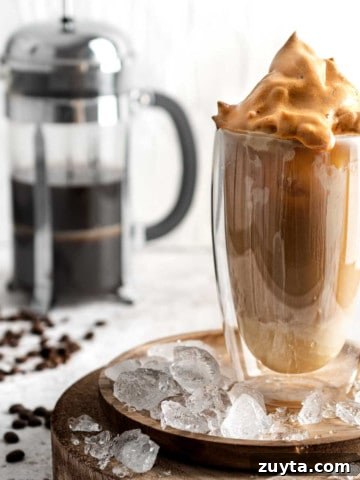
Iced coffee with condensed milk
-
Creamy 3-Ingredient Coffee Mousse (eggless)

Recipe
Chocolate covered coffee beans
Ingredients
- 20 gram coffee beans — medium to light roast works best
- 60 gram chopped chocolate — dark, milk, white or ruby
Instructions
- Lay out a sheet of baking or parchment paper on your counter and set two forks nearby.
- Gently melt the chocolate in a double boiler or use short bursts in the microwave, stirring every 15 seconds until smooth.
- Take the bowl off the heat and stir in all the coffee beans so each bean is fully coated with chocolate.
- Use one fork to lift a few beans and the second fork to drop them individually onto the prepared paper; separate any that stick.
- Allow the coating to set for about 20 minutes at room temperature or chill briefly in the fridge to speed things up.
- If desired, repeat the coating process after the first layer has set to build a thicker shell.
Nutritional data disclaimer
Nutritional information is an estimate provided for guidance only. Exact values depend on the brands and quantities you use. Consult a qualified professional for personalised dietary advice.
Nutrition
|
Carbohydrates: 36 g
|
Protein: 2 g
|
Fat: 21 g
|
Sugar: 31 g