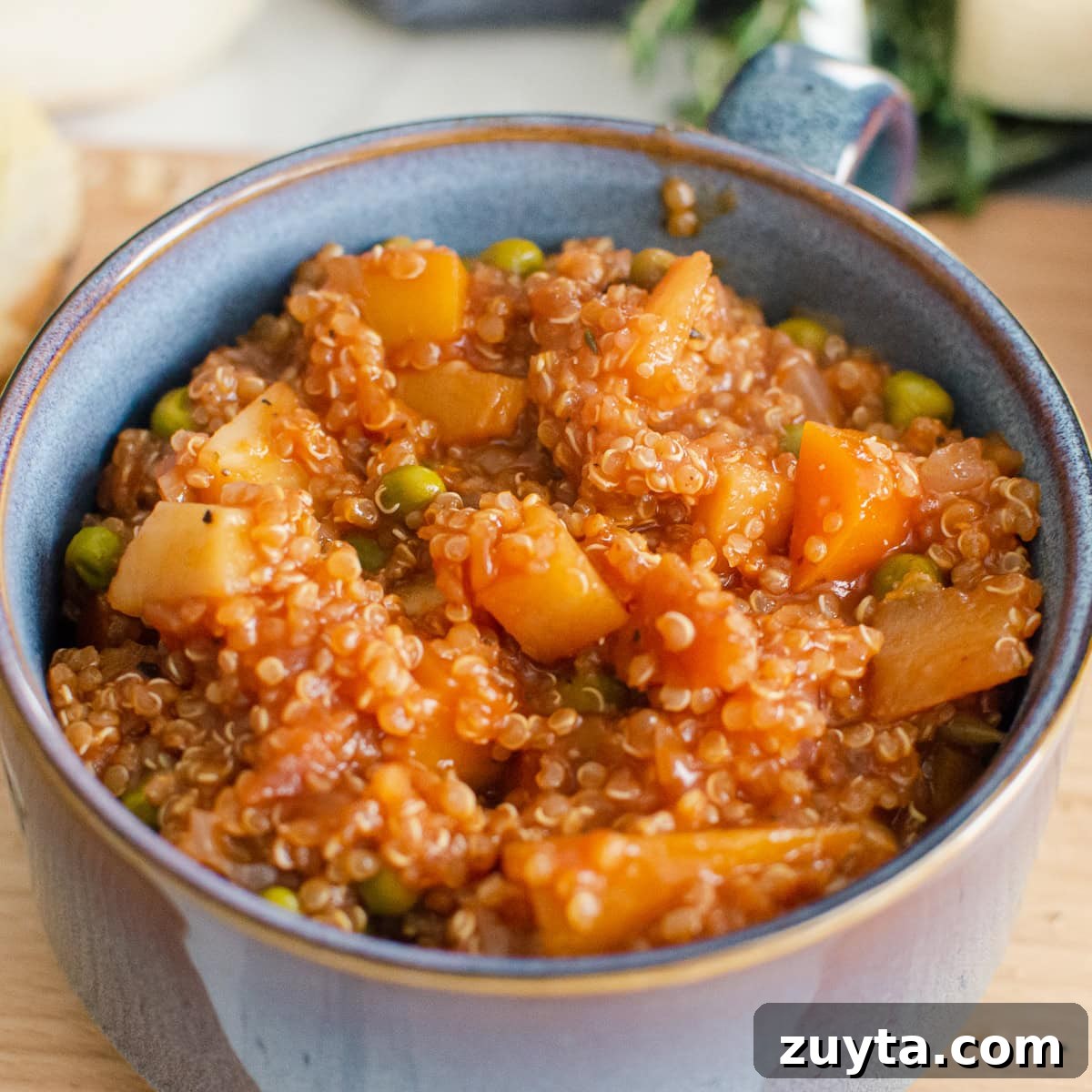
A warming winter root-vegetable stew cooked with quinoa. This easy, low-fat recipe works perfectly in a pressure cooker, and a hob pan method is provided if you prefer stovetop cooking.
This recipe shows how to cook quinoa inside a vegetable stew so it absorbs the flavours and helps thicken the broth. It makes a quick, low-calorie lunch or a simple, healthy dinner—serve with crusty bread and butter if you like.
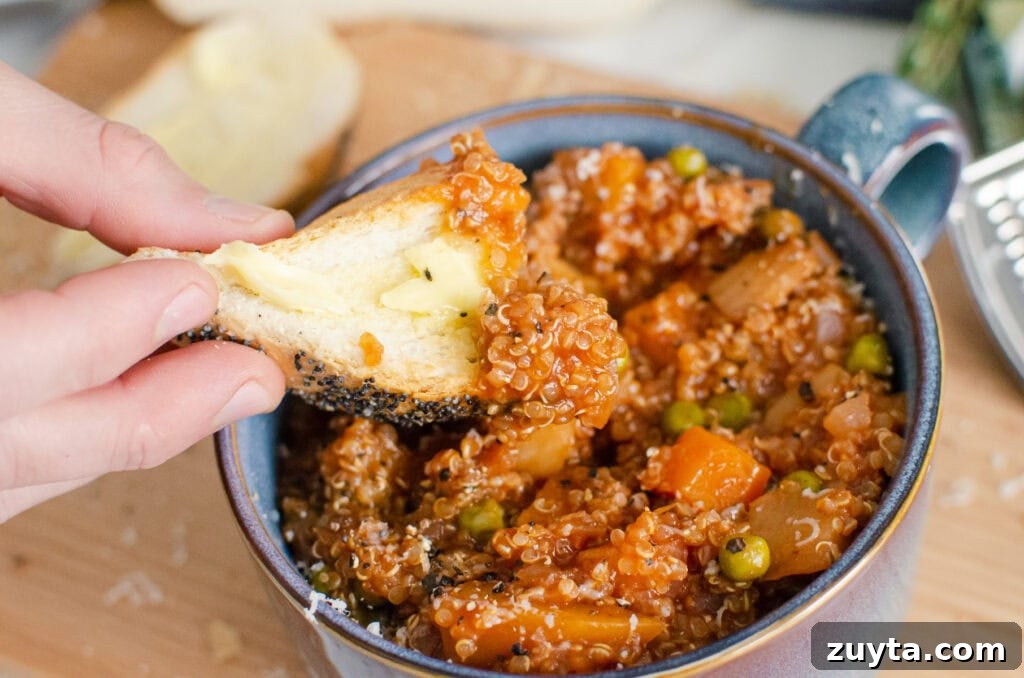
Suitable for vegetarians. Omit the Parmesan to make this a vegan-friendly dish.
How to cook Quinoa Vegetable Stew?
Quinoa Vegetable Stew
Luke and Kay – Flawless Food
Learn how to cook quinoa in a flavourful vegetable stew. This is a hearty winter dish using root vegetables, passata and stock. The pressure cooker method is fast and convenient, while the hob method works well if you don’t have a pressure cooker.
Serve as a low-calorie main course, or offer with bread to make a comforting family meal. Paramesan is optional for serving.
Equipment
- Pressure cooker (recommended) or a large saucepan for hob cooking
Ingredients
- 1 tablespoon olive oil
- 1 red onion, diced
- 2 carrots, diced into small cubes
- 2 parsnips, diced into small cubes
- 100 g swede (rutabaga), diced into small cubes
- 1½ tsp garlic puree (or 2 cloves crushed)
- 1 tsp chilli puree (or 1 chilli, finely chopped)
- 200 g peas (frozen or fresh)
- 500 g passata (strained tomatoes)
- 400 ml vegetable stock (made from cubes or stock pot)
- 200 g quinoa (about 1 cup), rinsed
- 3 sprigs fresh thyme
- 2 bay leaves
- Salt and pepper, to taste
Optional extras
- Grated Parmesan, to serve
- Fresh crusty loaf of bread
Instructions
Pressure cooker method
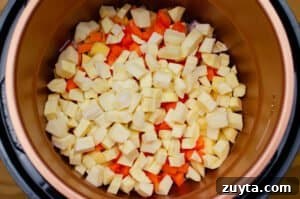
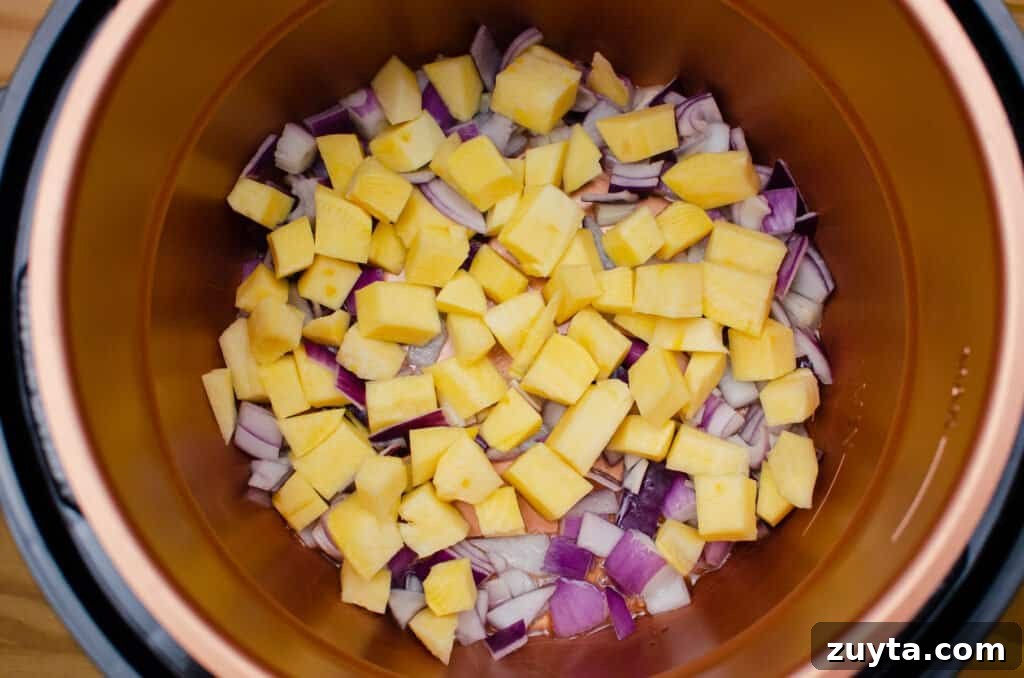
- Set the pressure cooker to fry/saute. Add the olive oil and sweat the diced onion, carrots, parsnips and swede until they begin to soften (about 5 minutes).
- Stir in the garlic, chilli and peas, then turn off the saute mode.
- Add the passata and vegetable stock, mixing to combine.
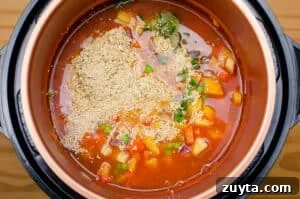
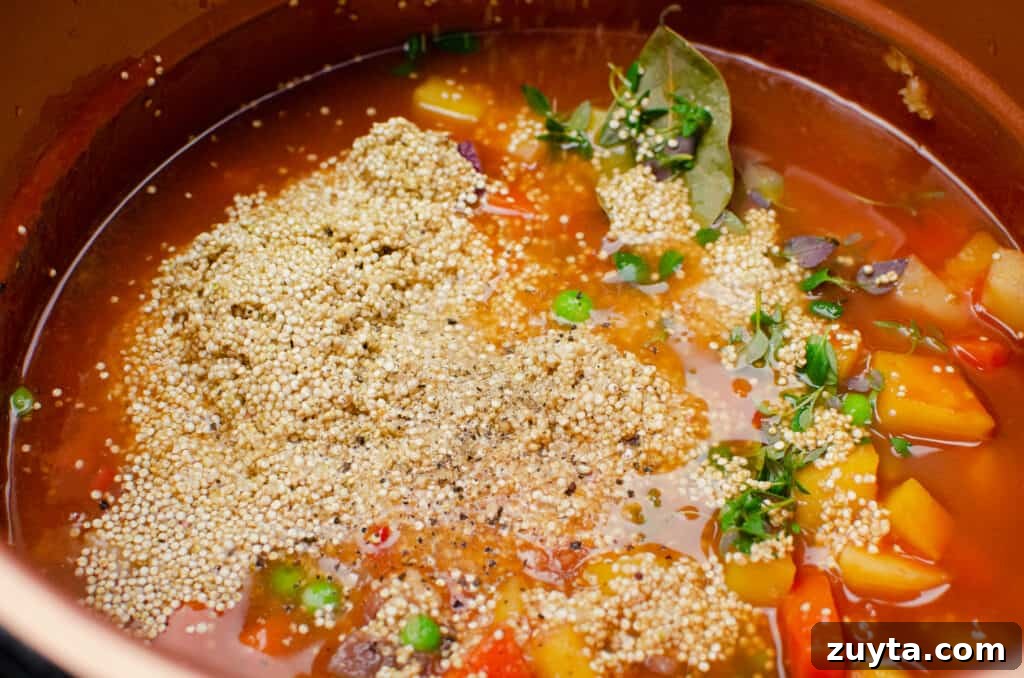
- Stir in the rinsed quinoa, thyme sprigs and bay leaves. Season with salt and pepper and give everything a final stir.
- Lock the lid and ensure the valve is closed. Set to a high/stew pressure setting for 4 minutes.
- When the cooking cycle ends, allow the pressure to natural release for 10 minutes—this is part of the cooking time, so do not force it open early.
- Carefully open the valve to release any remaining steam, remove the bay leaves, stir, and adjust seasoning. Serve hot with Parmesan and crusty bread if you like.
Hob (stovetop) method
- In a large pan, heat the olive oil and fry the onion, carrot, parsnip and swede for about 5 minutes until softened.
- Stir in the peas, garlic and chilli.
- Add the passata and stock, bring to the boil, then reduce heat and simmer for 15 minutes.
- Add the rinsed quinoa, thyme sprigs and bay leaves, season with salt and pepper. Bring back to a gentle boil, then simmer for another 15 minutes, stirring occasionally to prevent sticking. Add more stock if you prefer a looser texture.
- Remove the bay leaves, check seasoning and serve with Parmesan and crusty bread if desired.
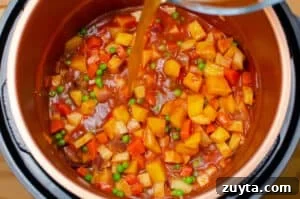
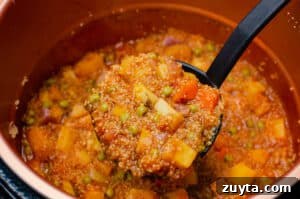
Nutrition (per serving)
This post was originally published on 04/11/2019 and updated on 14/03/2025.
Scroll on for background on quinoa, suggested vegetables, and notes on cooking methods to help you make the stew at home.
What is Quinoa?
Quinoa (pronounced “keen-wah”) comes from the seeds of a herbaceous plant native to South America. It is naturally high in protein, fibre, B vitamins and minerals, which makes it a filling, nutrient-dense addition to meals.
As a low-fat, plant-based grain, quinoa is useful for people following lower-calorie plans. It adds texture and body to stews, helping the broth become more satisfying without adding excess fat.
What vegetables to use in a stew?
This recipe centres on winter root vegetables—swede, parsnips and carrots—which hold up well in a stew and give a natural sweetness. You can swap or add vegetables such as sweet potatoes, courgettes (zucchini), aubergine (eggplant), celery, shallots, potatoes or mushrooms to suit what’s in season or your fridge.
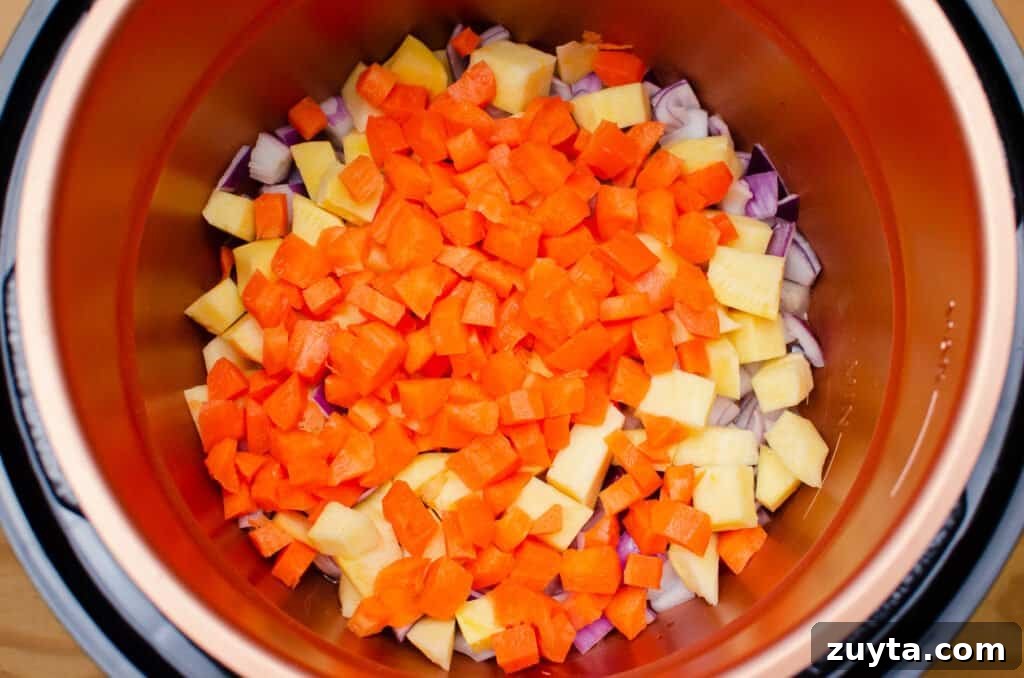
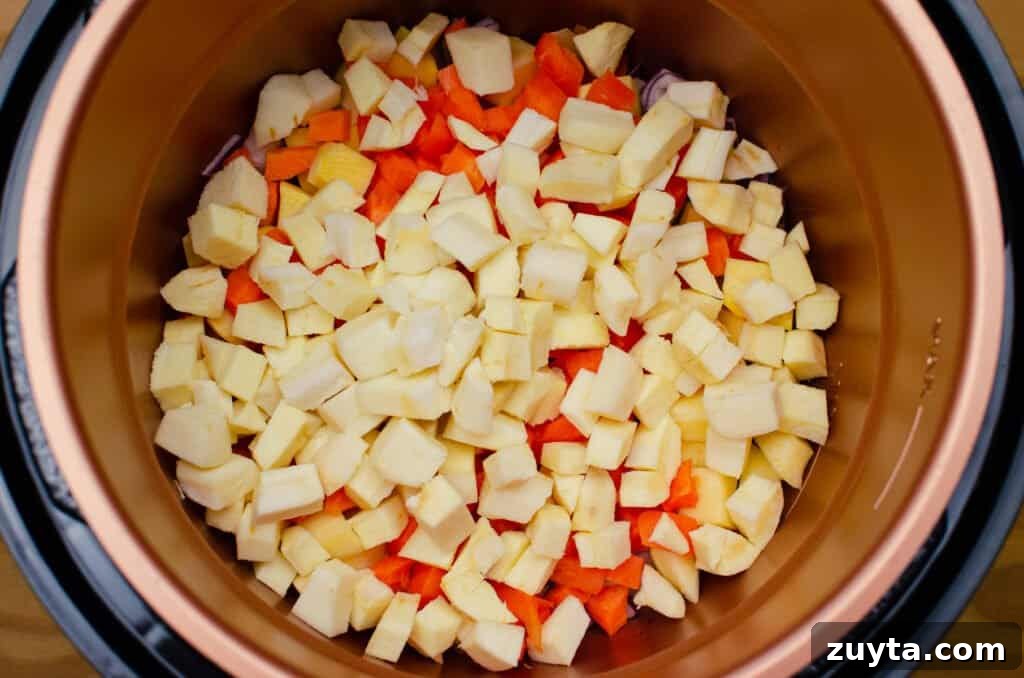
Peas, garlic and chilli are added here to boost flavour and colour, while passata and stock provide the cooking liquid. If you prefer a soupier finish, simply add extra stock.
Cooking methods: pressure cooker or hob
A pressure cooker is the quickest option and concentrates flavour in minutes, but a large pan on the hob works just as well if you allow extra simmering time. Both methods are included above so you can choose based on the equipment you have.
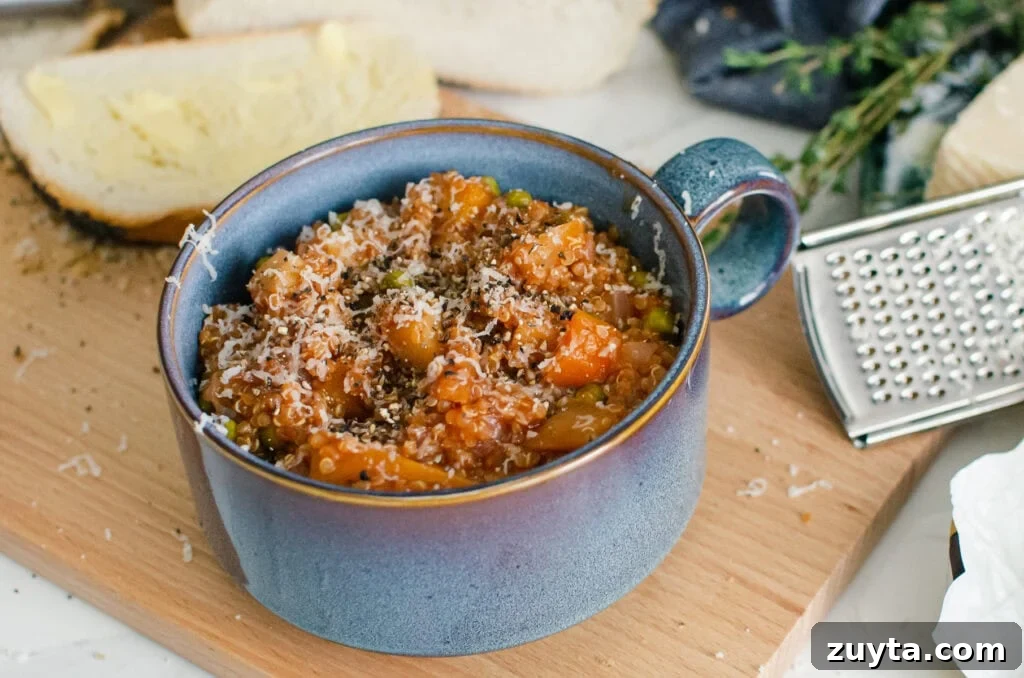
If you are not following a low-fat diet, a sprinkle of Parmesan at the table adds a savory finish; for a vegan alternative try nutritional yeast or omit the cheese entirely. Serve with fresh crusty bread to soak up the juices.
More vegetarian recipes
If you enjoy this stew, try other simple vegetarian dishes like carrot and coriander soup, chilli paneer, or aubergine (brinjal) curry for more variety in your weekly menu.