Fresh Fruit Cup: A Simple, Healthy Treat
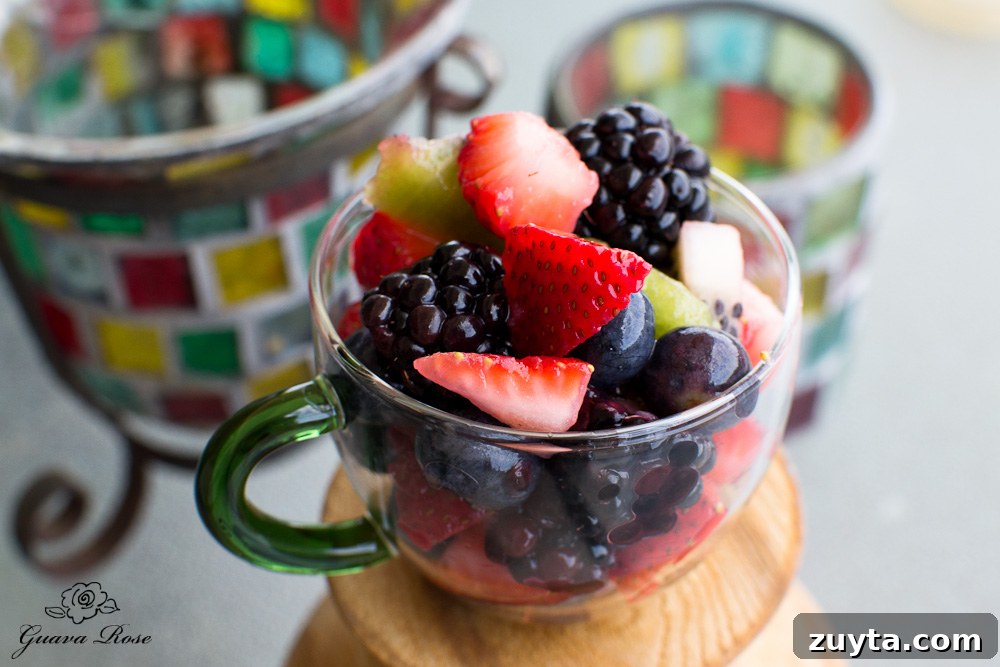
The image above shows a fruit cup from a side view, a classic example of a light, colorful snack that’s both visually appealing and nutritious. Fruit cups are versatile: they can be prepared for a quick breakfast, a midday snack, a dessert alternative, or a colorful addition to a picnic or lunchbox. Because they highlight fresh fruit, they naturally showcase a range of textures, colors, and flavors that work well together.
Why Choose a Fruit Cup?
Fruit cups are an easy way to increase fruit intake without complicated preparation. They offer a convenient portion of fresh produce that requires minimal equipment or skill: wash, cut, combine, and serve. For many people, a fruit cup feels more indulgent than eating a single piece of fruit because it mixes sweetness, acidity, and sometimes a touch of creaminess from ingredients like banana or melon. They are also adaptable to dietary needs and preferences, making them a smart option for families, meal prep, and on-the-go routines.
Choosing Ingredients
When assembling a fruit cup, focus on variety. Choose fruits that differ in texture and taste to create a balanced bite. Crisp fruits like apples and pears add a pleasant crunch; berries bring concentrated sweetness and color; citrus segments provide bright acidity; melons and stone fruit contribute juiciness. Seasonal fruit often tastes best and can be more affordable, so consider what’s ripe locally.
Flavor Enhancements and Add-Ins
A fruit cup can be kept pure and simple, or dressed up with a few complementary additions. A squeeze of lemon or lime prevents browning in fruits such as apples and bananas and adds a fresh tang. A light sprinkle of chopped mint, a dusting of toasted coconut, or a few crushed nuts can introduce aroma and texture. For a heartier option, small dollops of yogurt or a few cubes of soft cheese create a satisfying contrast between sweet and creamy.
Presentation Tips
Presentation makes a difference. Use a clear cup or bowl to show off the colors. Cut fruit into uniform pieces so the cup looks tidy and each spoonful is balanced. Layering fruits by color or texture adds visual interest: place heavier, firmer pieces at the bottom and softer, juicier fruits on top. Garnish with a sprig of fresh herb or a twist of citrus peel to give the cup a finished look.
Storage and Safety
Store prepared fruit cups in airtight containers in the refrigerator and eat them within a day or two for the best flavor and texture. Some fruits release juice as they sit; keeping dense fruits and delicate fruits separate until serving can help preserve texture. Wash all fresh fruit thoroughly before cutting to reduce surface contaminants. If you include perishable add-ins like dairy, plan to consume the fruit cup sooner rather than later.
Serving Ideas and Variations
Fruit cups are highly adaptable. For a breakfast-style cup, add granola, a spoonful of yogurt, and a drizzle of honey. For a refreshing snack, combine assorted melons, grapes, and mint. For an elegant dessert, mix berries with a touch of citrus zest and serve with a small scoop of sorbet on the side. Savory-minded variations can include cucumber, avocado, and a squeeze of lime for a fruit-and-veg hybrid. The simplest approach is often the best: let the fruit speak for itself.
Health Benefits
Fresh fruit provides hydration, fiber, and natural sugars, along with vitamins and antioxidants. Including a variety of fruits helps ensure a broader spectrum of nutrients and encourages enjoyment of whole foods. A fruit cup can be a satisfying alternative to processed snacks because it brings sweetness and crunch without added artificial ingredients.
Final Thoughts
A well-made fruit cup is an uncomplicated, attractive, and nutritious option for many occasions. By selecting ripe, varied fruit and paying attention to texture and presentation, you can create a snack that feels thoughtful and delicious. Use the basic guidelines above as a starting point, and adapt ingredients and proportions to suit personal taste, seasonality, and dietary needs.