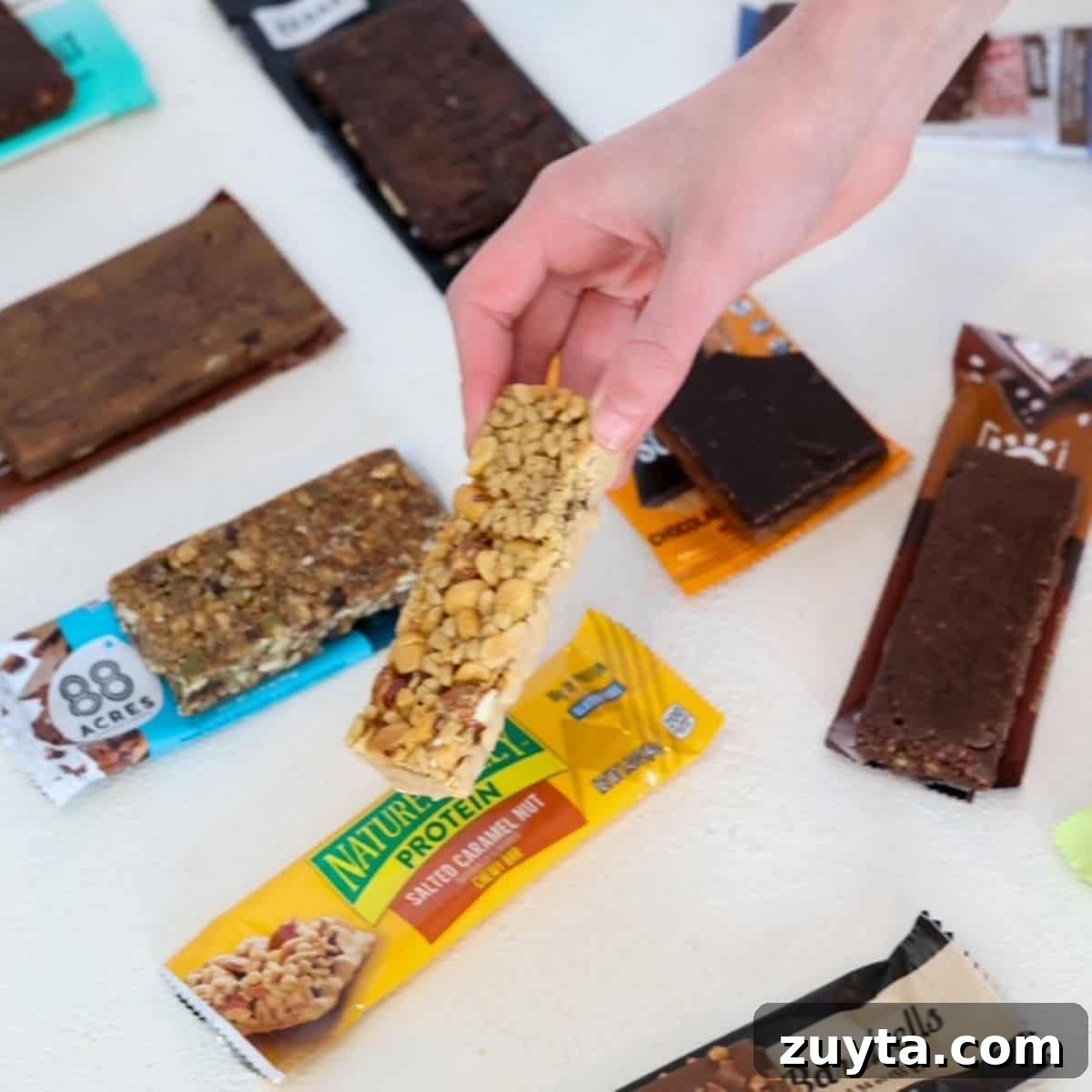
Information overload is real when you’re standing in front of the snack aisle trying to pick the best protein bars. I once counted 22 different bars in a single convenience store endcap — and that’s a fraction of what you’ll see at big grocery stores, Target, or Walmart.
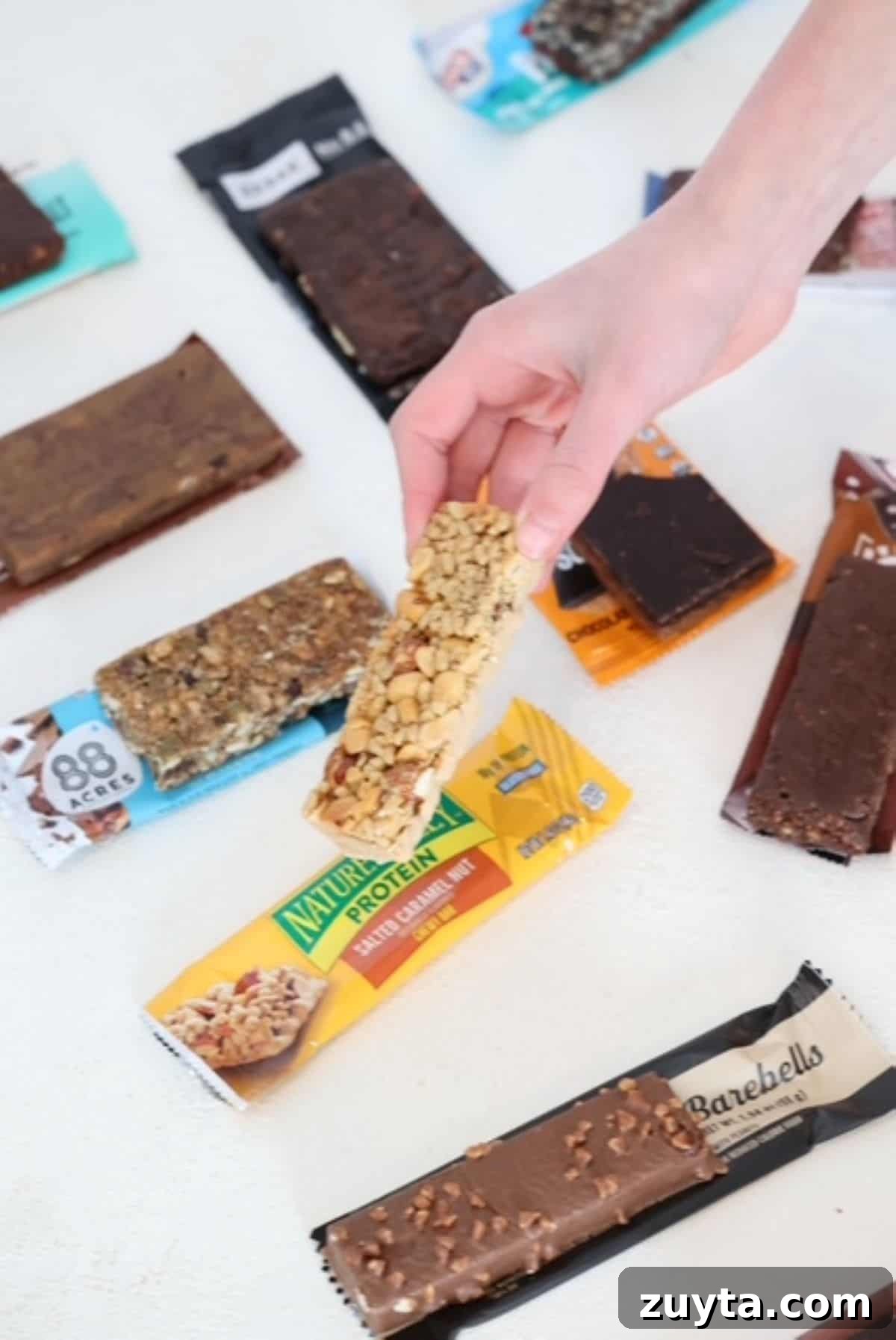
I’m a real mom with real kids, and my aim is to help everyday families cut through the noise. I won’t tell you exactly which bar to buy — instead I’ll share practical information to help you choose the best option for your needs.
“Healthy” looks different for everyone. Some people prefer plant-based bars, others focus strictly on protein, whole-food ingredients, or no added sugar. Some shoppers have nut or dairy allergies. No single bar fits every goal.
After taste-testing a wide range of bars with my kids (far more than what’s pictured), I evaluated ingredients, nutrient profiles, and price from both a parent’s and a dietitian’s perspective.
In this post I review 10 protein bars suitable for adults and teens, plus 4 bars marketed to younger kids.
My goal is to save you time, money, and frustration. I hope this helps you find the right bar for your next grocery run.
How to Choose the Best Protein Bar for YOU
Before you shop, take a moment to answer a few questions so you can narrow your choices quickly:
- What are my health goals? Are you aiming to boost daily protein, add more fiber, reduce added sugar, or avoid artificial sweeteners? Do you need dairy-free, nut-free, or gluten-free options?
- What is the bar’s purpose? Is it a quick snack, post-workout recovery, or an occasional meal replacement?
- What’s my budget? Prices vary widely. If protein per dollar matters, compare cost per gram of protein.
- Will I actually eat it? Ingredient lists and nutrition facts matter, but if the bar doesn’t taste good to you or your family, it won’t be useful.
Protein Bars – What to Look For
Once you know your priorities, check each candidate for these key factors:
- Protein amount: Bars range widely — some provide only a few grams, others 15–20 grams or more. Match the protein to your goals.
- Type of protein: Whey, milk proteins, egg whites, and plant proteins each have different textures and digestion profiles. Choose what works for your diet and tolerance.
- Sweeteners and sugar: Note if sweetness comes from fruit, cane sugar, syrups, sugar alcohols, or nonnutritive sweeteners. That affects taste and potential digestive reactions.
- Diet compatibility: Look for gluten-free, dairy-free, vegan, or allergy-friendly bars if you need them.
- Storage needs: Some bars require refrigeration, which may not be practical for every situation.
How to Avoid the Overwhelm When Picking Out a Protein Bar
Take time, make a decision, then stick to a short list.
- Visit a store you can browse without rushing and note bars that match your priorities.
- Compare the Nutrition Facts and ingredient lists of bars that interest you.
- Choose three or four finalists that meet your criteria and try them.
- Keep the ones you like on a short list so the next time you need a bar you can grab a familiar choice and avoid decision fatigue.
Methodology
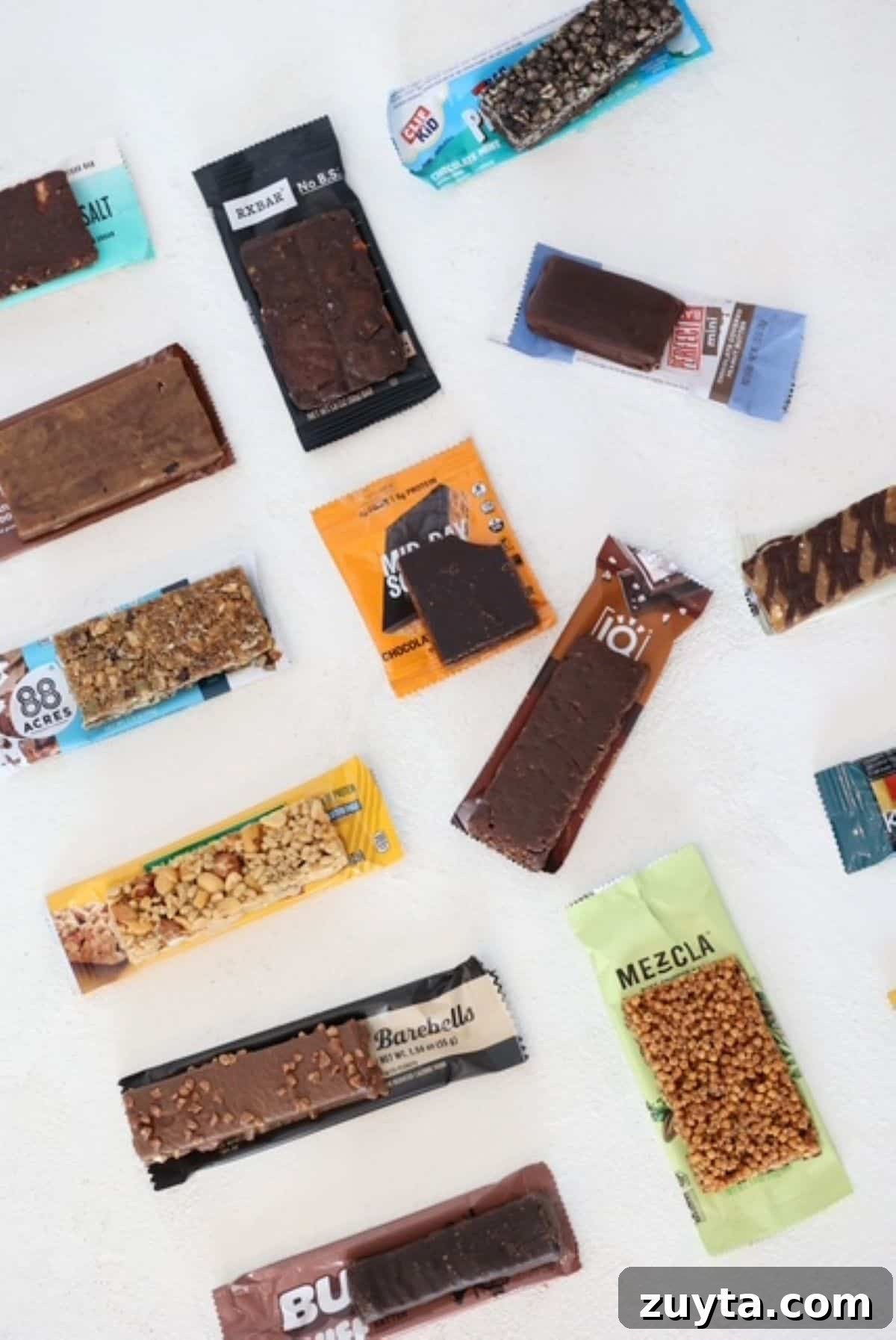
My kids and I taste-tested a variety of bars found at major grocery chains and retailers. Each bar was assessed for taste, ingredient quality, protein content, added sugar, price, and availability.
Because needs vary by age, activity level, and health goals, this list is meant to inform your decision—not prescribe a single best choice for everyone.
To make comparisons easier, the list below is roughly ordered from lower to higher protein content.
Please refer to product packaging for current nutrition and ingredient information.
LÄRABAR®, the Original Fruit & Nut Bar™
LÄRABARs have been popular for years because they use simple ingredients — unsweetened nuts, fruit, and spices — and minimal processing. They tend to taste more like whole-food bites than candy bars.
- About 4 grams protein, 3–4 grams fiber, 1.5 grams saturated fat, 23–28 grams carbs with 0–4 grams added sugar, depending on flavor.
- Average cost: around $1 per bar.
Kind Breakfast Protein Bar
Kind Breakfast Protein Bars taste more like a granola bar than a candy bar, and they’re a favorite in our household. They tend to use tapioca syrup, fruit, or cane sugar for sweetness.
- Approximately 8 grams protein, 3–7 grams fiber, 2 grams saturated fat, about 27 grams carbs including roughly 7 grams added sugar.
- Average cost: roughly $0.83–$1 per bar.
Trader Joe’s Chewy Chocolate & Peanut Butter Protein Bars
If your local store carries them, these bars are an affordable, plant-based option. They’re shelf-stable, free from sugar substitutes, and make convenient lunchbox snacks.
- About 10 grams protein, 4 grams fiber, 2.5 grams saturated fat, and roughly 15 grams carbs with about 7 grams added sugar.
- Average cost: about $0.74 per bar.
Nature Valley Protein Bar
Nature Valley bars are budget-friendly and tend to taste candy-like while delivering solid fiber and protein. They’re a good option if you want an inexpensive, familiar snack.
- About 10 grams protein, 6 grams fiber, 3–4 grams saturated fat, and roughly 25 grams carbs with around 5 grams added sugar.
- Average cost: approximately $0.67–$0.90 per bar.
Kirkland Signature Chewy Protein Bars
These peanut butter and chocolate chip bars are a popular, affordable choice with a texture similar to a soft granola bar. They strike a balance of protein, fiber, and modest sugar.
- About 10 grams protein, 6 grams fiber, 3 grams saturated fat, approximately 16 grams carbs with about 4 grams added sugar.
- Average cost: around $0.40 per bar.
RX Bars
RX Bars are known for their simple ingredient lists and use of egg whites rather than isolated protein powders. Many flavors are sweetened with dates for a fruit-based sweetness.
They’re a solid travel snack and are often recommended by clinicians who like whole-food-style ingredients.
- Typically 10–12 grams protein, 4–6 grams fiber, 1–2 grams saturated fat, and about 23–29 grams carbs with varying amounts of added sugar depending on flavor.
- Average cost for standard varieties: about $2–$3 per bar.
TRUbars
TRUbars are plant-based, typically using pea protein powder. They deliver both substantial protein and a very high fiber content, so if you aren’t used to that much fiber, start with half a bar.
- About 12 grams protein, 10–14 grams fiber, 3–4 grams saturated fat, and roughly 22–23 grams carbs.
- Average cost: around $2.50 per bar.
Aloha
Aloha Organic Protein Bars are a favorite in my house for flavor and texture. They tend to feel more like a treat thanks to real flavors and some varieties with chocolate coatings.
Many Aloha flavors provide a satisfying balance of protein, fat, and carbs that leave you feeling genuinely satisfied.
- About 14 grams protein, around 10 grams fiber, 2.5–3 grams saturated fat, and roughly 24–26 grams carbs with a modest amount of added sugar.
- Average cost: roughly $2–$3.25 per bar.
Mush Bars
Mush Bars are newer and are sold in the refrigerated section. They avoid sugar alcohols, which some people prefer to prevent digestive upset, and many flavors taste great.
- About 15 grams protein, 4 grams fiber, 5 grams saturated fat, and roughly 24 grams carbs with around 9 grams added sugar.
- Average cost: about $2–$3 per bar.
Barebells Protein Bars
Barebells are widely liked for flavor and deliver a high protein punch, making them a go-to for teens or anyone focused on protein intake. They use sugar alcohols and nonnutritive sweeteners rather than added sugar in some varieties.
- About 20 grams protein, around 3 grams fiber, 3–3.5 grams saturated fat, and about 18–20 grams carbs with sugar alcohols used for sweetness.
- Average cost: roughly $2.50–$3.50 per bar.
Pro Tip from a Registered Dietitian
Be cautious of marketing claims. Bright packaging and clever slogans can be persuasive, but the ingredient list and Nutrition Facts label tell the real story. Some of the prettiest packages hide inferior taste or questionable ingredients.
Protein Bars for Kids
Young children typically need less protein and fiber than teens and adults, so bars marketed to kids tend to be smaller and contain less protein. They can still make convenient snacks, but check sugar content carefully since kids’ products are often sweeter.
Examples of kid-sized options include mini versions of popular brands and refrigerated mini bars. Always read the Nutrition Facts to compare serving size, protein, and added sugar.
Please refer to product packaging for the most current information.
- Kind Mini Nut Bars — smaller portion size, about 2–3 grams protein, 8–10 grams carbs, and 2–4 grams added sugar.
- Perfect Bar Mini — refrigerated mini bars with around 5–6 grams protein and higher fat; best kept cool.
- LÄRABAR Minis — made from simple fruit and nut ingredients, about 2–3 grams protein and minimal added sugar.
- CLIF Kid Zbar Protein — kid-focused option with around 5 grams protein and a sweeter taste profile.
Questions You May Have About Protein Bars
Protein bars provide a convenient, portable way to boost protein intake and help manage hunger when meals are not available. Chosen thoughtfully, they can be useful for busy schedules, travel, or post-workout nutrition.
Some bars are very sweet and can increase cravings for sugary foods. Others use sugar alcohols, which may cause digestive discomfort for sensitive people. Cost is another drawback compared with whole-food snacks.
To achieve higher protein content while maintaining a pleasant taste and texture, manufacturers sometimes use sugar alcohols or nonnutritive sweeteners to reduce added sugar. This can help keep carbohydrate counts lower but may affect tolerance for some people.
A Quick Disclaimer
This post is informational and not intended as individualized nutrition advice. Nutrition needs vary based on age, activity level, medical history, and personal preference.
Although I am a Registered Dietitian, read labels carefully and choose products that best meet your family’s needs. Product formulations and availability may change over time.
None of the bars featured here were gifted or sponsored. Opinions are my own or attributed to other registered dietitians where noted.
Related
- Peanut Butter Protein Bars Recipe
- Why is Fiber Important?
- Energy Bites (Bliss Balls)
More Protein
-
Why is Protein Important?
-
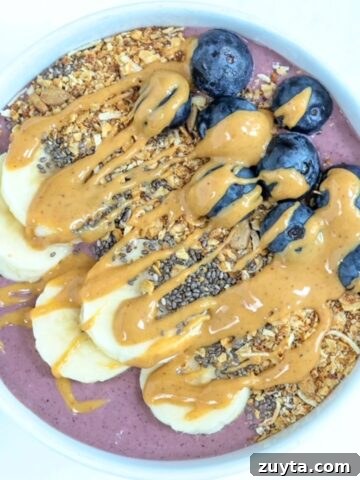
Acai Bowl with Protein
-
Easy Protein Pancakes without Protein Powder
-
16 Ways to Increase Protein in Smoothies without Protein Powder


If you found this guide to protein bars helpful, please leave a comment below.
Have questions about a specific bar not mentioned here? Ask in the comments and I’ll do my best to help.
Follow along on social channels for more nutrition tips and easy recipes.