This post was sponsored by Collective Bias, Inc. All opinions are my own. #TipsFemeninos #CollectiveBias
Do you remember calling your mom to pick you up from school because cramps made everything unbearable? That memory always makes me smile—and cringe. My mother took care of me the way many Latina moms do: bringing water, letting me eat from the couch, applying heating pads, and listening patiently while I complained about how difficult it is to be a woman. I appreciated the care, but those long hours resting made me focus even more on the discomfort.
Over the past few years I increased my fitness routine dramatically, working out four to six days a week at levels my body had never seen before. The result wasn’t miraculous, but I did notice fewer and milder PMS symptoms. Exercise doesn’t erase periods, but it helps many women feel better physically and emotionally. Below are practical reasons and tips for staying active during your period and ways to adjust workouts so they support—not sabotage—your comfort and goals.
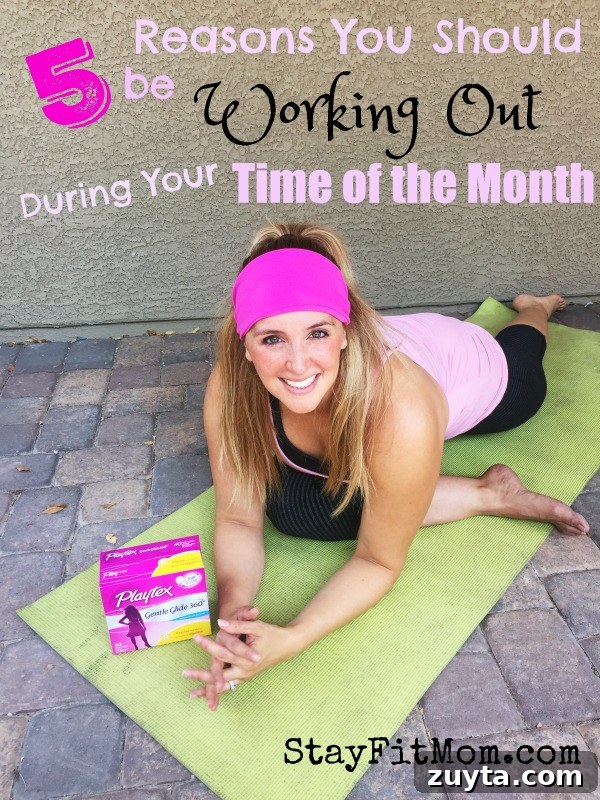
5 Reasons You Should be Working Out During Your Time of the Month
- Increased Energy Levels: It’s tempting to slow down and curl up on the couch, but moving your body often brings more energy than extended rest. Short, light workouts—like brisk walking, cycling, or a gentle strength session—can boost circulation and improve alertness so you can keep up with the day’s demands.
- Reduced Pain and Discomfort: Staying idle can make cramps feel worse because the body focuses on the pain. Gentle stretching, yoga, or mobility work helps blood flow and can ease muscle tension. Below is a pigeon stretch image to illustrate one of many helpful poses.
- Mood Stabilization: Exercise releases endorphins and other neurotransmitters that can lift your mood. If you feel irritable or anxious, choose activities that calm you—such as slow yoga, swimming, or a light jog. For days when you need to let off steam, a higher-intensity class or a kickboxing session can be very effective.
- Manage Extra Calories: Cravings are common during your period, and sometimes you want that chocolate bar—and that’s okay. Completing a workout helps balance extra calories and maintains momentum toward your fitness goals. Aim for balance rather than restriction; nourishing food plus movement is a healthy approach.
- Stick to Your Long-Term Goals: Don’t let a week each month derail consistent progress. Adjust intensity and volume if needed, but keeping up with some form of activity preserves habit, confidence, and fitness gains over time.
Practical tips for exercising during your period: listen to your body, modify intensity (shorter intervals, lighter weights), focus on mobility and breathing, stay hydrated, and bring pain-relief options—like a heating pad or over-the-counter remedies—if they help you. If fatigue is heavy, prioritize restorative movement or a gentle walk rather than pushing for a hard session. Tracking your cycle and planning workouts around how you typically feel can make a big difference.
Playtex® Gentle Glide® tampons are my go-to choice for active days. Their triple-layer design is intended to provide a closer fit and added leak protection so you can move confidently during workouts. Keeping a trusted product in your gym bag helps you stay ready for any activity, whether it’s a class or a last-minute run.
I’ll never forget the time my mom taught my friends—at my birthday pool party—how to use a Playtex® Gentle Glide® tampon. It involved a few gestures, some Spanish-English mix-ups, and a lot of laughter. Mothers often know best when it comes to practical advice and honest conversations about self-care.
There are also periodic coupons and promotions for feminine-care products that can help offset cost—look for current offers through coupon sites or the product’s promotions page for details, as availability varies.
Bottom line: Many people find that regular fitness correlates with milder PMS symptoms and improved wellbeing. Keep what you need in your bag, listen to your body, and choose movement that supports your comfort and goals. Staying active during your period doesn’t mean pushing through pain; it means adapting intelligently so your monthly cycle becomes just another part of a consistent, balanced fitness routine.
Do you have tips that help you through your period? Share them on our Facebook page. Follow us on Pinterest and Instagram for recipes and more ways to stay well. We love seeing Stay Fit Mom meals and workouts in your kitchen and on your feed—tag @stayfitmom_Krista and @stayfitmom_Tracy when you post!
If you liked this post you might also enjoy our 10 Favorite Things for Post Workout Care