I’m often asked about my path into food blogging: where I began, the hurdles I encountered, and what I learned along the way. This piece outlines eight common mistakes to avoid if you want to start a food blog. Food blogging can look glamorous on the surface, but the images and posts you admire take consistent effort, planning, and patience. Success rarely happens overnight. Be creative, consistent, and patient. Below are eight things you should avoid doing as a food blogger, based on my experience in the industry.
100 tips to grow your blog is another post I’ve written that you might find useful for practical strategies and long-term growth ideas.

- Spamming your audience – Consistency matters, but there’s a fine line between staying visible and overwhelming your followers. Share content that is relevant, concise, and valuable to your readers. Frequent personal updates can be engaging occasionally, but remember people follow you mainly for your recipes, tips, and food stories. Over-posting or sending too many messages will fatigue your audience and likely cause unsubscribes or unfollows. Focus on quality over quantity and respect your subscribers’ time.
- Posting unoriginal or plagiarized content – Inspiration is natural and necessary, but copying someone else’s work is not acceptable. If you’re experiencing writer’s block, adapt ideas ethically: credit sources, add your own twist, or use inspiration to create genuinely new content. Audiences are discerning and will notice duplicated material. Maintaining originality protects your reputation and builds trust within the blogging community.
- Being inaccessible to followers – Building relationships with readers is crucial. Respond to comments and direct messages when you can, and consider organizing online workshops, Q&A sessions, or meet-ups. Accessibility makes you more relatable and encourages loyalty. If you rarely engage, followers may gravitate toward creators who make an effort to connect.
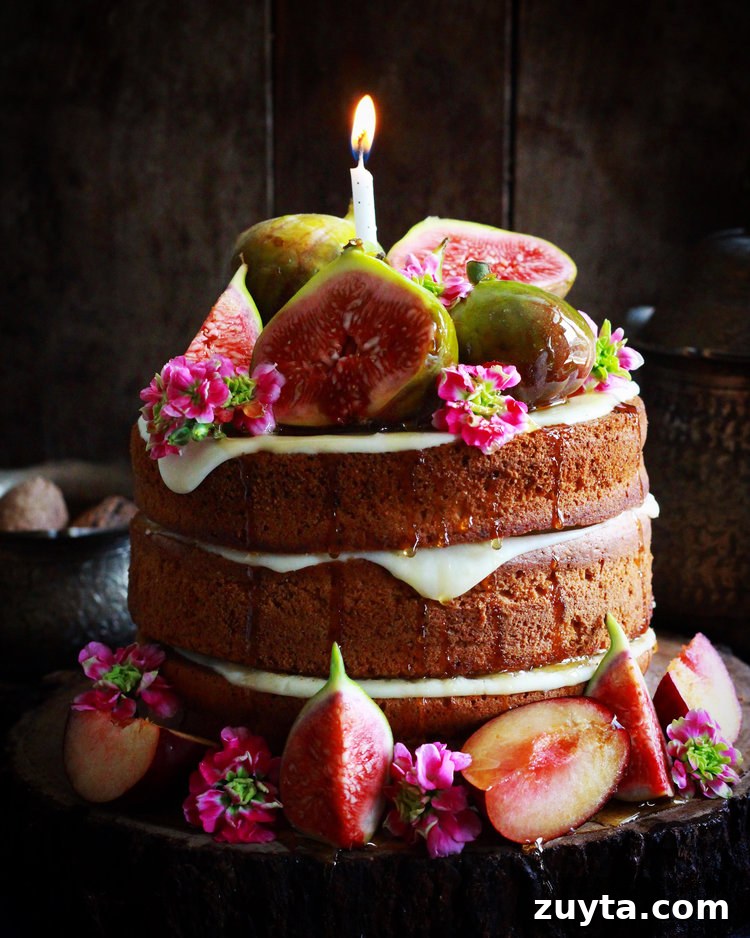
- Posting low-quality photographs – Visuals are the cornerstone of food blogging. A great recipe can go unnoticed if the images don’t convey appetite appeal. Learn basic food photography techniques: lighting, composition, styling, and simple editing. Practice often and aim to present dishes in a way that looks fresh, textured, and inviting. Invest time in visuals—they directly affect click-throughs, shares, and reader engagement.
- Isolating yourself from the community – Food blogging thrives on collaboration and mutual support. Engage with other creators, follow those who inspire you, and participate in community conversations. Collaborations expand your reach and introduce you to new audiences. Networking—both online and offline—can lead to partnerships, joint projects, and friendships that nurture creativity and growth.
- Being inconsistent – Set a realistic publishing schedule and stick to it. Whether you plan to post weekly or twice a month, maintaining a reliable rhythm builds audience trust and improves retention. Avoid overcommitting; it’s better to deliver consistently than to promise daily content and then disappear. Revisit and adjust your schedule as your capacity and goals evolve.
- Reacting poorly to criticism – Publishing your work publicly opens you up to praise and critique. Learn to distinguish between constructive feedback and destructive comments. Use constructive criticism to refine your skills and ideas, and avoid responding defensively to negativity. Staying professional and open-minded will help you grow and maintain a positive brand image.
- Refusing to experiment – Sticking to the same format or recipes can make your content predictable. Innovation carries some risk, but experimenting keeps your blog fresh and interesting. Try new cuisines, techniques, presentation styles, content formats (video, reels, step-by-step guides), or seasonal themes. Calculated experimentation revitalizes your content and gives followers reasons to return.
If you’re starting as a food blogger, consider exploring additional resources and reflections on the craft. The following topics may help you refine your strategy and build momentum:
- 8 Things Every Aspiring Food Blogger Must Know
- Advantages of Being a Food Blogger
- 5 Things a Food Blogger SHOULD be Doing on Instagram