Learn how to make preserved lemons with this simple, reliable recipe inspired by Ottolenghi’s Jerusalem. Bright, tangy and richly flavored, preserved lemons are a pantry staple that add depth to Moroccan classics as well as fish, salads, roasted vegetables, grain bowls, pastas and even some desserts.
This post may include affiliate links; I may earn from qualifying purchases.
Reader Rave
“Fantastic new condiment! These are so easy to make, and add zip and complexity to so many dishes. I cook with lemons all the time, and this variation on the flavor is incredible. I used it on my Thanksgiving turkey and wowed the crowd. I just ran out of the first batch that I made, and I am back for more.”
Mary — Reader and Preserved Lemon Lover, Dec 2022
Convinced? Scroll down to the recipe card below.
Beth’s Recipe Recap
- Flavor profile: savory, tangy, lemony, salty (before rinsing)
- Yield: number of lemons used = jars produced
- Skill level: beginner
- Time to preservation: 3–4 weeks
- Tools: sterilized glass jar
- Free from: dairy, gluten
- Storage: cool, dry place until refrigerated
What are preserved lemons?
Preserved lemons are whole lemons packed with kosher salt and lemon juice, then left to cure until the peel softens and becomes fragrant. During the first few weeks the rind loses its sharp bitterness and develops concentrated, savory citrus flavor. The salt and acid transform the peel into a lively, umami-rich condiment that brightens many dishes.
Common in Moroccan, Middle Eastern and Mediterranean cooking, preserved lemons are surprisingly easy to make at home. With only lemons, salt and a jar, you can prepare a condiment that keeps for months in the refrigerator and brings intense lemon flavor to meals year-round.
I first learned this method from Ottolenghi’s Jerusalem and still follow his approach of letting the lemons sit a few days to release juice before topping with additional lemon juice.
Why you’ll love this recipe
Here are the main reasons to try preserved lemons:
- They amplify lemon flavor: preserved lemons often taste even more lemony than fresh lemons because the rind becomes tender and concentrated.
- Very little equipment required: a clean jar, unwaxed fruit and kosher salt are all you need. Patience is the only other ingredient.
- Flexible flavoring: add aromatics like peppercorns, rosemary, thyme, ginger or chiles to taste.
- Versatile: use preserved lemons in savory dishes, dressings, marinades, pestos, and even some desserts for an unexpected bright note.
If you enjoy experimenting, preserved lemons open up many possibilities in everyday cooking.
Ingredients you’ll need
Simple is best: lemons and kosher salt. Optional additions include lemon juice to top off, herbs and whole spices.
Lemons: Use unwaxed lemons when possible. Organic fruit is usually unwaxed. Meyer lemons are sweeter and have thinner skin; Eurekas and Lisbons have thicker rinds. Try different varieties to find your favorite.
Kosher salt: Diamond Crystal or other kosher salt works well. Exact measurements are forgiving for this preserve; the method relies on salt, acid and time rather than precise ratios.
How to make this recipe
Printable recipe card is at the end of the post. The steps below explain the process with photos and tips.
Sterilize a quart-sized glass jar with a tight-sealing lid. Gather unwaxed lemons and kosher salt.
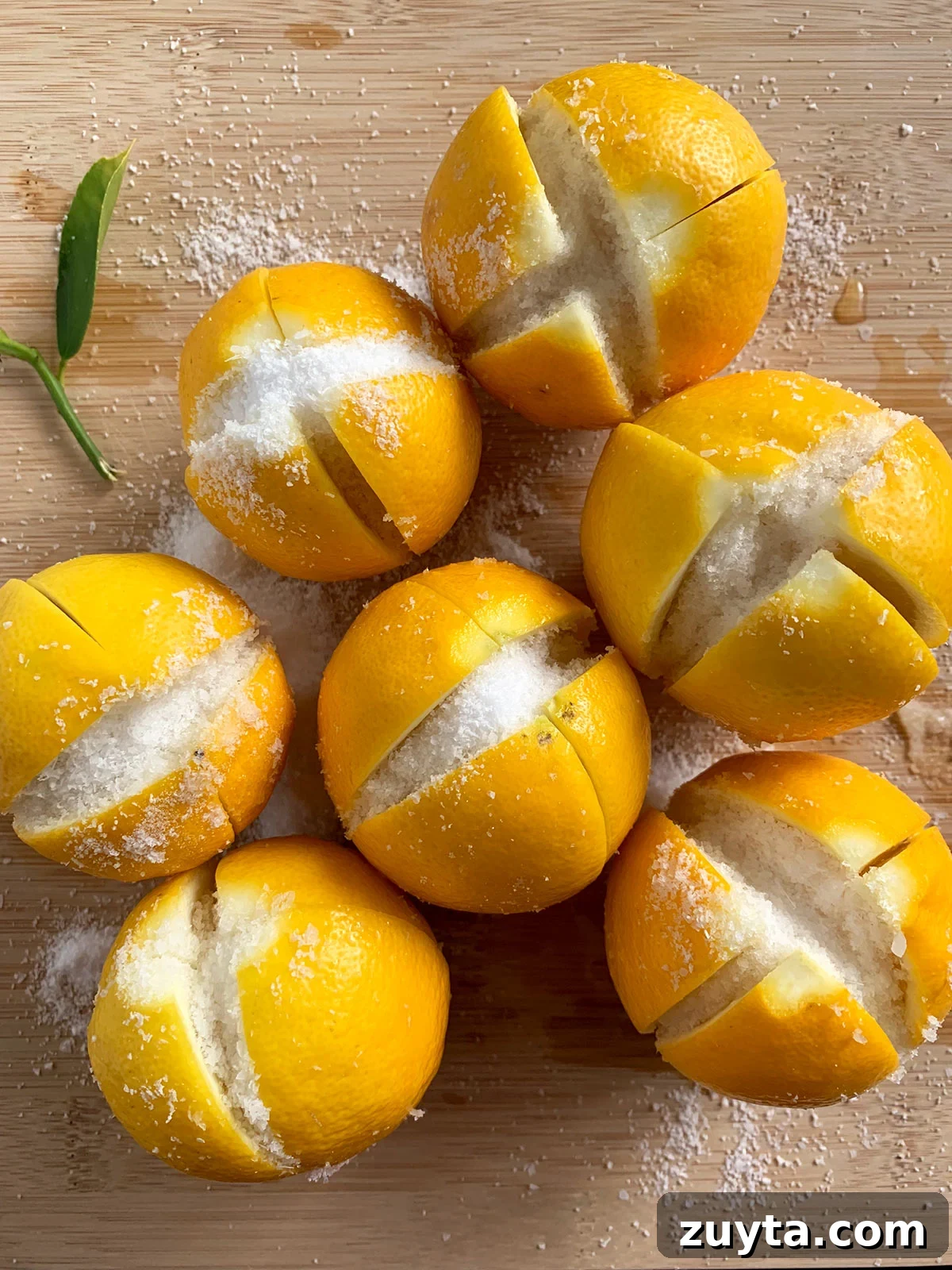
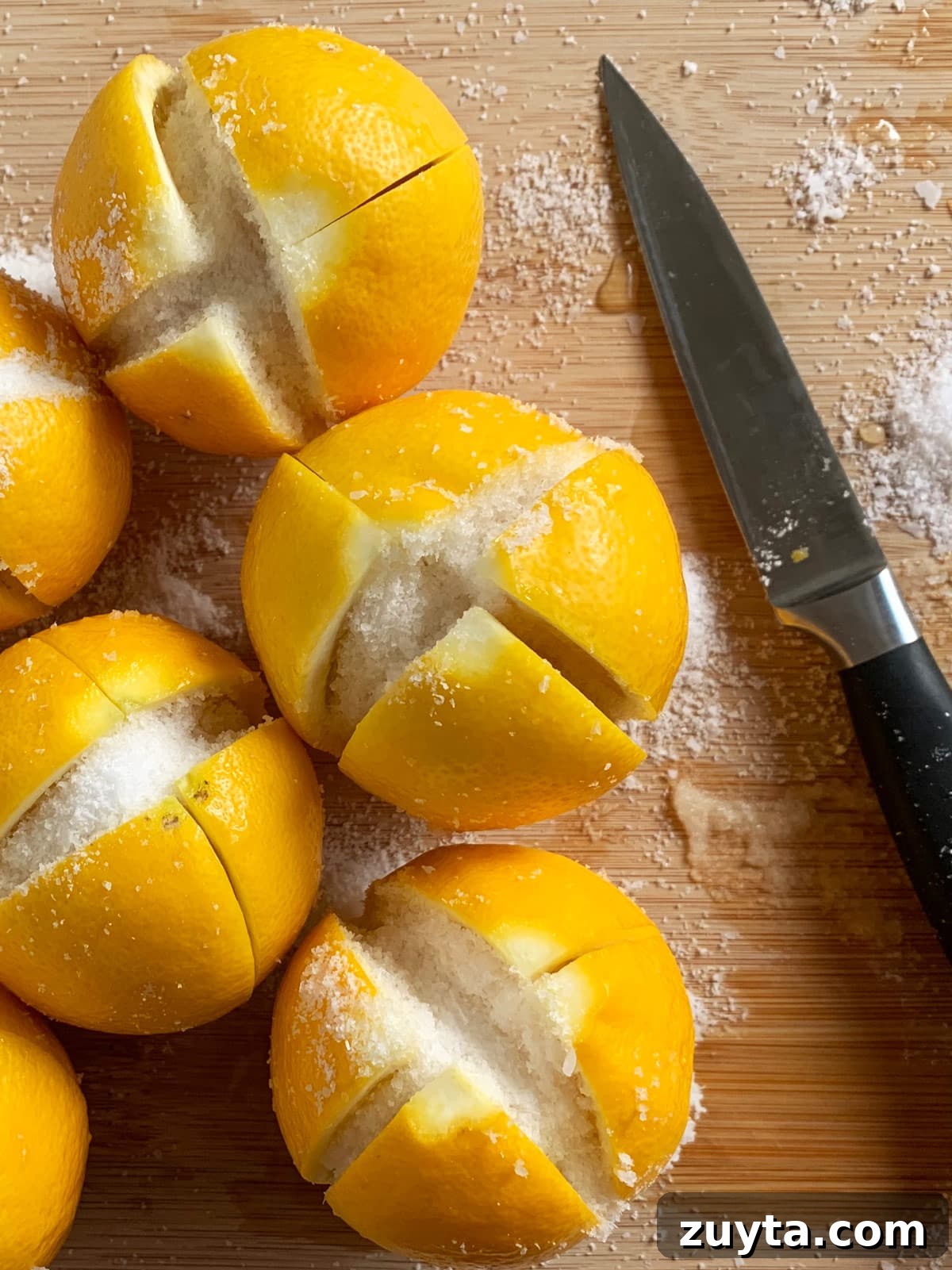
- Prepare lemons: Make two slits in each lemon, about three-quarters of the way through, forming a pocket for salt. If you accidentally cut through, it’s fine—quartered lemons work too. Add about 1 tablespoon of kosher salt per lemon, adjusting for size.
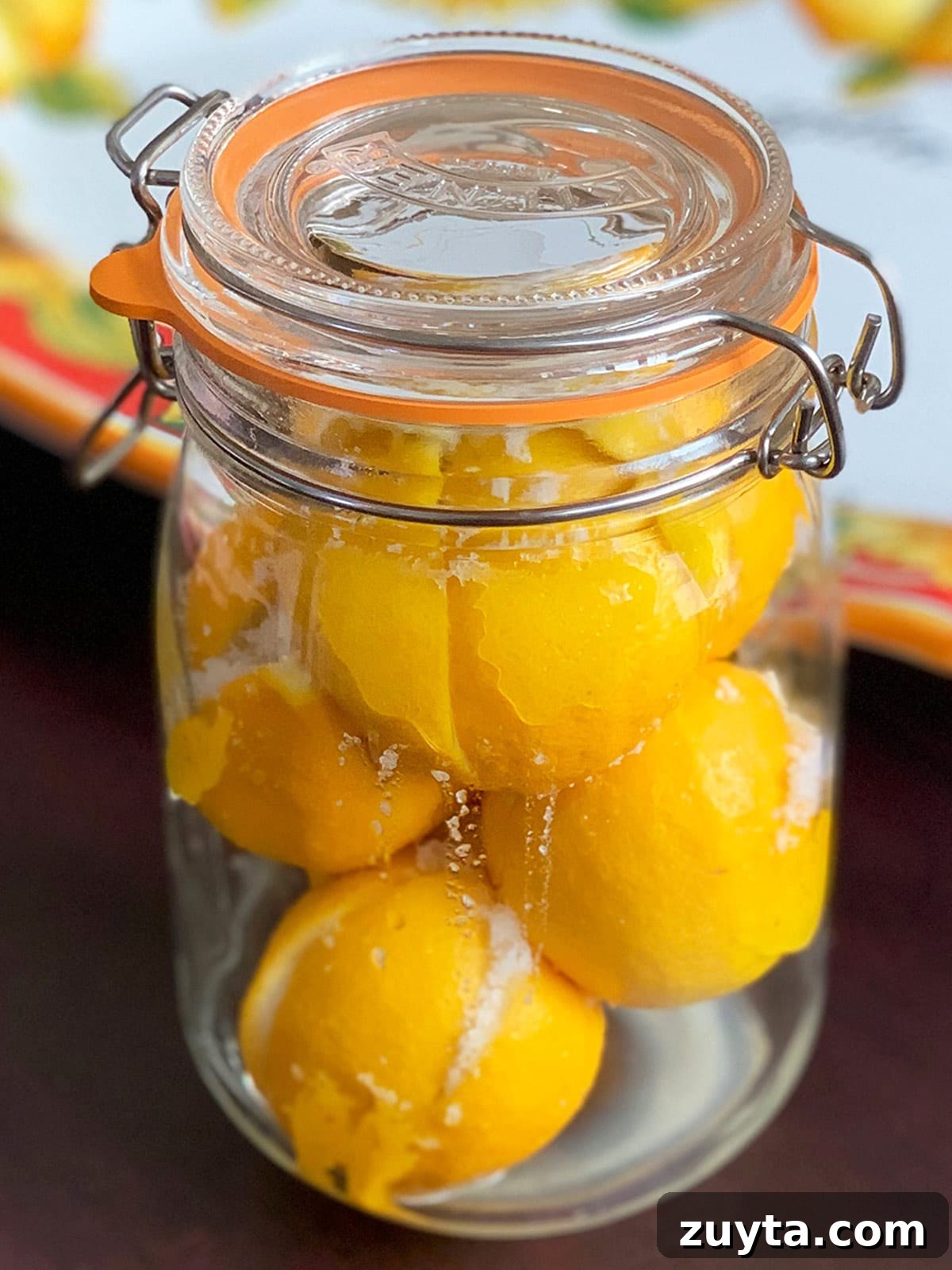
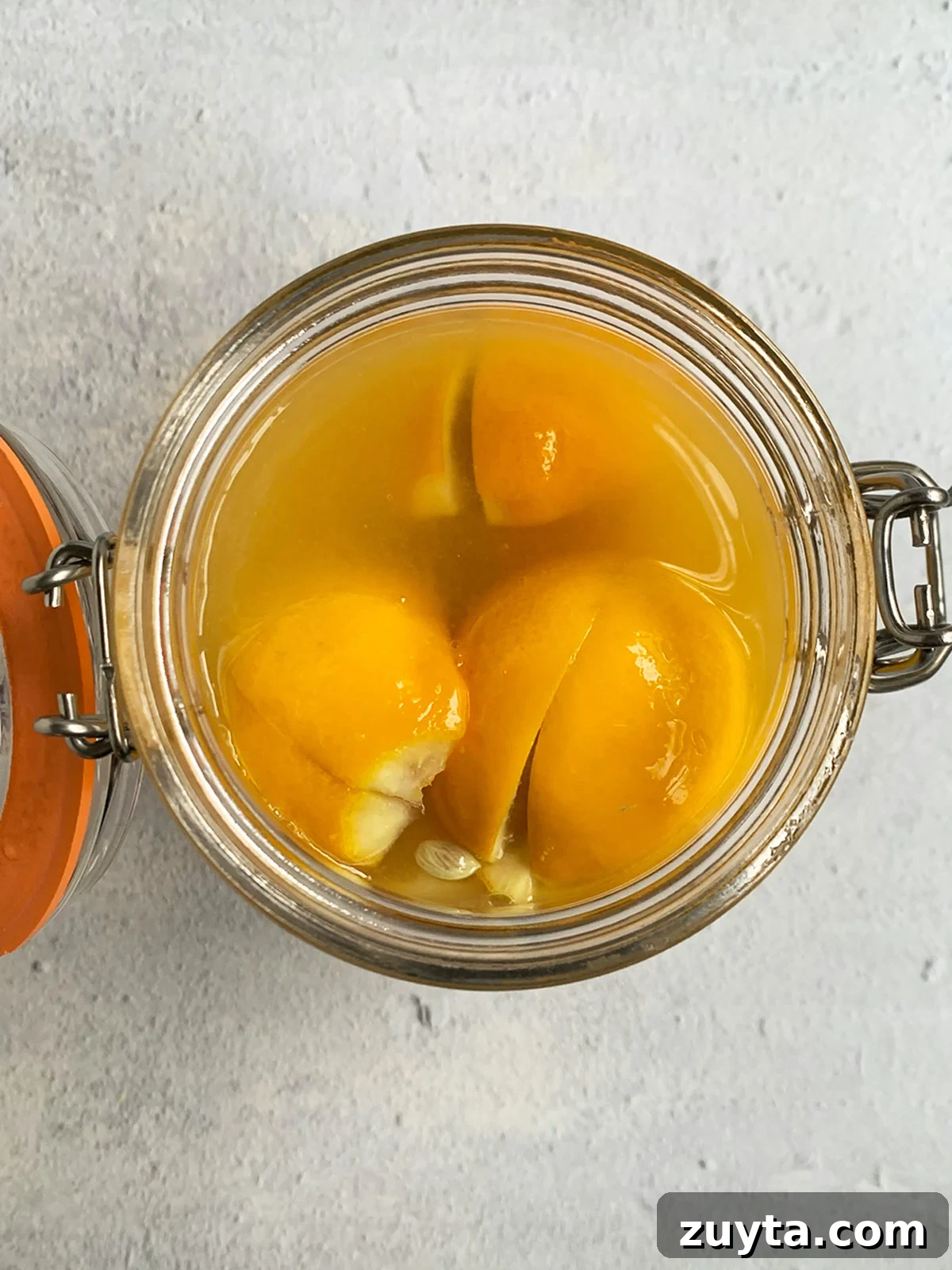
- Pack the jar: Press the salted lemons into the jar, packing them tightly but without crushing. Seal the jar and leave it in a cool, dry place for about one week. Juice will begin to accumulate as the lemons release liquid.
- Add juice and aromatics (after one week): Open the jar and add enough fresh lemon juice to cover the lemons. If you like, add aromatics such as a spicy pepper, rosemary, thyme, peppercorns or a small piece of ginger.
- Finish preserving: Close the jar and leave it in a cool, dark-ish place for another three to four weeks. Check that the lemons remain submerged; before refrigerating, add a thin layer of olive oil on top to help seal the surface. Move the jar to the refrigerator; preserved lemons will keep for many months and often up to a year.
Tool to Use
- Mason or quart-sized sterilized glass jar with lid
Expert tips
- Use kosher salt rather than iodized table salt.
- Some cooks add lemon juice and aromatics from the start instead of waiting a week; both methods work.
- Choose organic, unwaxed lemons when possible. If not, scrub the skins well under hot water to remove any coating.
- Store the sealed jar in a cool spot until the preserving period is complete. Temperatures under 70°F (21°C) are preferable.
- Food safety note: There is ongoing discussion about white film or pellicle that sometimes appears on preserved lemons. When in doubt, discard the jar. If mold of any color other than a harmless white pellicle appears, toss the batch immediately.
Recipe FAQs
Any lemon will work. Meyer lemons are less acidic and more fragrant but have thinner skin. Eurekas and Lisbons have thicker rinds. If your Meyers lack acid, top off the jar with juice from a more acidic lemon.
They are essentially the same concept: lemon preserved in salt and acid. Cutting lemons into smaller pieces yields a quicker pickled version that develops similar flavors in a shorter time.
If you see mold of any color other than a minor white pellicle you’re unsure about, discard the jar. When uncertain, it’s safest to throw it out.
Most cooks remove the pulp and seeds and use the rind. The pulp can be used in dressings or marinades. Remember preserved lemons are salty—rinse if you want to reduce saltiness.
After their initial month of curing, store the jar in the refrigerator. They will keep for many months, commonly up to a year. Save the brine to start a new batch or use in dressings and sauces.
How to use preserved lemons
Here are a few ideas to get you started:
- Classic Moroccan dishes such as chicken tagine
- Chicken or fish—tuck small pieces of rind into the dish while cooking or scatter on top at the end
- Marinades for poultry, fish and even beef
- Salad dressings and vinaigrettes
- Pasta dishes, especially with seafood or pesto
- Pesto or gremolata—substitute preserved lemon for fresh zest in these condiments
- Try preserved lemons in unexpected places like certain baked goods or desserts for a bright, savory-sour contrast
-
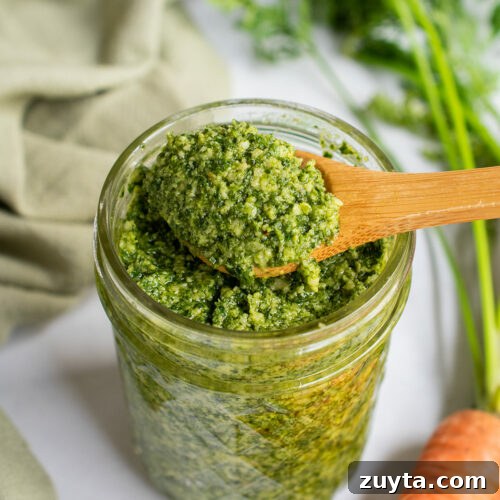
 Carrot Top Pesto with Preserved Lemon
 -
Roasted Harissa Potatoes with Preserved Lemon Gremolata
-
Harissa Chicken with Preserved Lemons
-
Preserved Lemon Hummus


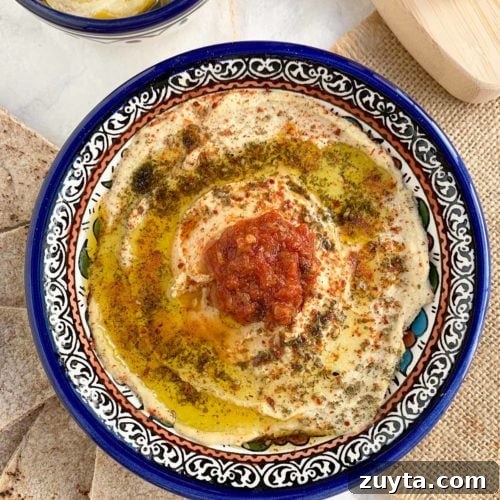
Find more preserved lemon recipes and ideas in my preserved lemons collection.

Love Middle Eastern and Mediterranean flavors? Join our community or subscribe to our newsletter for more recipes and tips.
P.S. If you try this recipe, please leave a star rating or a review in the comments. I appreciate your feedback.
Preserved Lemons, Ottolenghi-style
Preserved lemons are a kitchen condiment you might be missing. Based on the Ottolenghi method, this simple preserve will bring deep citrus flavor to many dishes.
Author: Beth Lee
Prep time: 15 minutes
Preserving time: 30 days
Total time: 30 days + 15 minutes
Servings: about 16 (depends on lemon size)
Calories: 4 kcal per serving
Ingredients
- 6–8 lemons (Meyer, Eureka, Lisbon)
- 6–8 tablespoons kosher salt
- About 1 cup lemon juice (approximately; enough to cover the lemons after one week)
- 1 sprig rosemary (optional)
- 2 sprigs thyme (optional)
- 10 peppercorns (optional)
- 1 spicy red pepper (optional)
- 2 tablespoons olive oil (to seal before refrigerating)
Instructions
- Sterilize a 1-quart glass jar by running it through the dishwasher or rinsing with very hot water. Make sure it is clean and dry.
- Cut two slits in each lemon without cutting all the way through to create pockets. Add about 1 tablespoon of kosher salt into each lemon.
- Pack the lemons into the jar as tightly as possible without crushing them.
- Seal the jar and leave it in a cool, dry place for one week. Juice will accumulate as the lemons soften.
- After one week, open the jar and add your choice of aromatics (thyme, rosemary, peppercorns, coriander, cardamom, cinnamon, a whole pepper, etc.). Pour in enough fresh lemon juice to cover the lemons completely, then reseal.
- Let the jar sit in a cool, dark place for another three to four weeks. Shake occasionally if desired. Before refrigerating, pour a thin layer of olive oil on top to help keep the lemons submerged. Store in the refrigerator and use as needed.
Notes
- Some methods call for adding juice and aromatics at the start; that approach works too.
- Use organic, unwaxed lemons when possible; otherwise scrub skins thoroughly.
- Keep the jar cool during the initial preserving period—warm temperatures are not ideal.
- When in doubt about any mold or spoilage, discard the jar.
Nutrition (approx. per serving)
Calories: 4 kcal | Carbohydrates: 1 g | Sodium: 194 mg | Vitamin C: 7.4 mg
Enjoyed this post? Sign up for the email list to get more recipes and preserved-citrus ideas.