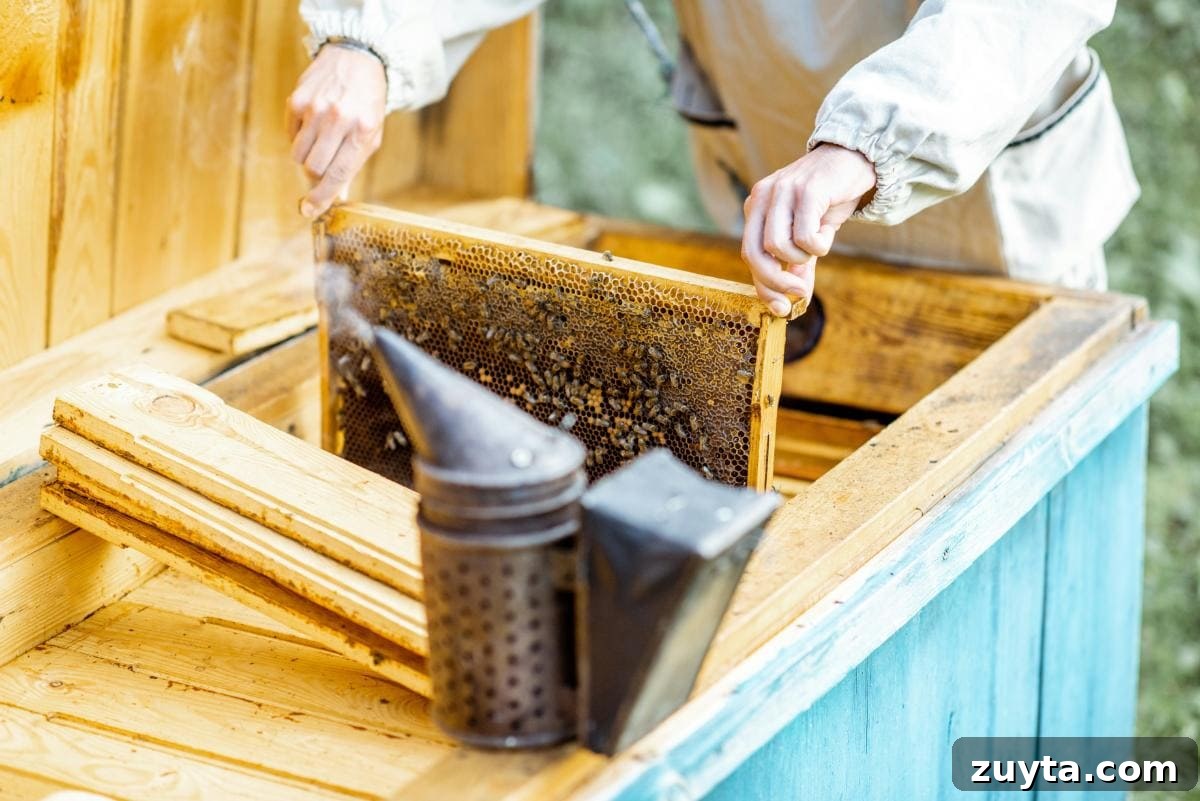

If you’re ready to start beekeeping, you’re stepping into a rewarding hobby that supports pollinators and connects you with the natural world. Beginning beekeepers often feel overwhelmed by the range of equipment available, so this guide focuses on the essential beekeeping gear for beginners and explains how each item helps you manage a healthy hive safely and effectively.
Understanding the Basics
At the center of beekeeping is the hive—the bees’ home where they build comb, raise brood, and store honey. Along with a hive, you need protective clothing, inspection and maintenance tools, and a few items to support colony health. Learning these fundamentals before purchasing gear will help you choose the right setup for your goals, whether you want honey, pollination, or just the satisfaction of keeping bees.
Choosing the Right Hive
For new beekeepers, the two most common hive styles are the Langstroth and the Top-Bar. The Langstroth hive uses stacked boxes with removable frames, which makes inspections and honey extraction straightforward. It’s the industry standard, so most equipment and accessories are designed around it.
The Top-Bar hive is a horizontal style where bees build comb naturally on individual bars. It requires less heavy lifting and can be easier for small-scale hobbyists or people with limited space. Consider how much time, physical effort, and future expansion you expect when selecting your first hive.
Protective Gear for Safe Handling
Proper protective clothing keeps you confident during inspections. A full beekeeping suit with an attached veil offers the most coverage and is a popular choice for beginners. Lighter bee jackets with a separate veil can work well in warm weather as long as closures are secure and gaps are minimized.
Gloves—either leather or nitrile—protect your hands while still allowing you to handle frames gently. Wearing tall, smooth boots and tucking pants into socks reduces the chance of bees entering clothing. If you choose a standalone veil, ensure it seals around the neck and fits comfortably.
Must-Have Hive Tools
Key tools make inspections safer and more efficient. A hive tool is indispensable: it functions as a pry bar for separating boxes and frames and as a scraper to remove propolis and wax. A smoker calms bees by masking alarm pheromones, making hive checks less stressful for both you and the colony. A soft bee brush helps move bees off frames without harm, and a frame grip makes lifting heavy frames easier and more secure.
Feeding and Maintenance Supplies
Supporting your bees through nectar shortages or during colony build-up often requires feeding. Feeders can be internal or entrance-mounted and are used to provide sugar syrup when natural forage is scarce. Seasonal accessories like entrance reducers help control traffic and reduce robbing or drafts, while mouse guards protect the hive from rodents in winter.
For mite and pest management, beginners commonly use screened bottom boards and non-chemical strategies such as powdered sugar dusting. Regular inspections, clean equipment, and good hive placement are also important parts of pest control and overall hive health.
Useful Extras to Add Over Time
As you gain experience, additional tools can improve efficiency. A honey extractor lets you harvest honey without destroying comb, while uncapping tools prepare frames for extraction. A queen excluder keeps the queen out of honey supers so harvested frames contain primarily honey. Frame feeders, stands, and specialized seasonal equipment can be added based on your location and hive needs.
Practical Tips for Beginners
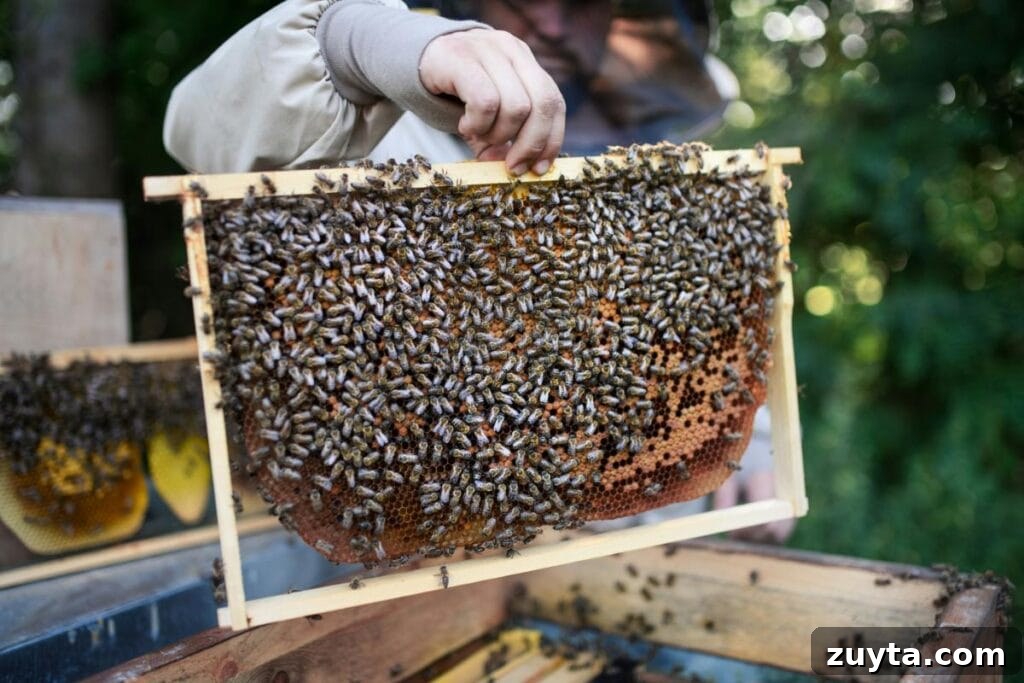
Begin with one or two hives to keep management reasonable while you learn. If lifting heavy boxes is a concern, choose a Top-Bar hive or another horizontal configuration. Invest in well-made tools—spending a bit more initially often saves time and frustration later. Always wear proper protection during inspections to reduce anxiety and prevent mistakes.
Joining a local beekeeping club or seeking mentorship from experienced beekeepers provides invaluable hands-on learning and support. Keep detailed records of inspections, feeding, queen status, and pest management; those notes become a practical reference that accelerates your learning each season.
Beekeeping can be a peaceful, productive hobby when you start with the right fundamentals: a suitable hive, proper protective clothing, essential tools, and simple maintenance routines. With patience, curiosity, and consistent care, you’ll build the skills needed to expand your beekeeping practice and enjoy the rewards of healthier colonies and more reliable honey harvests.