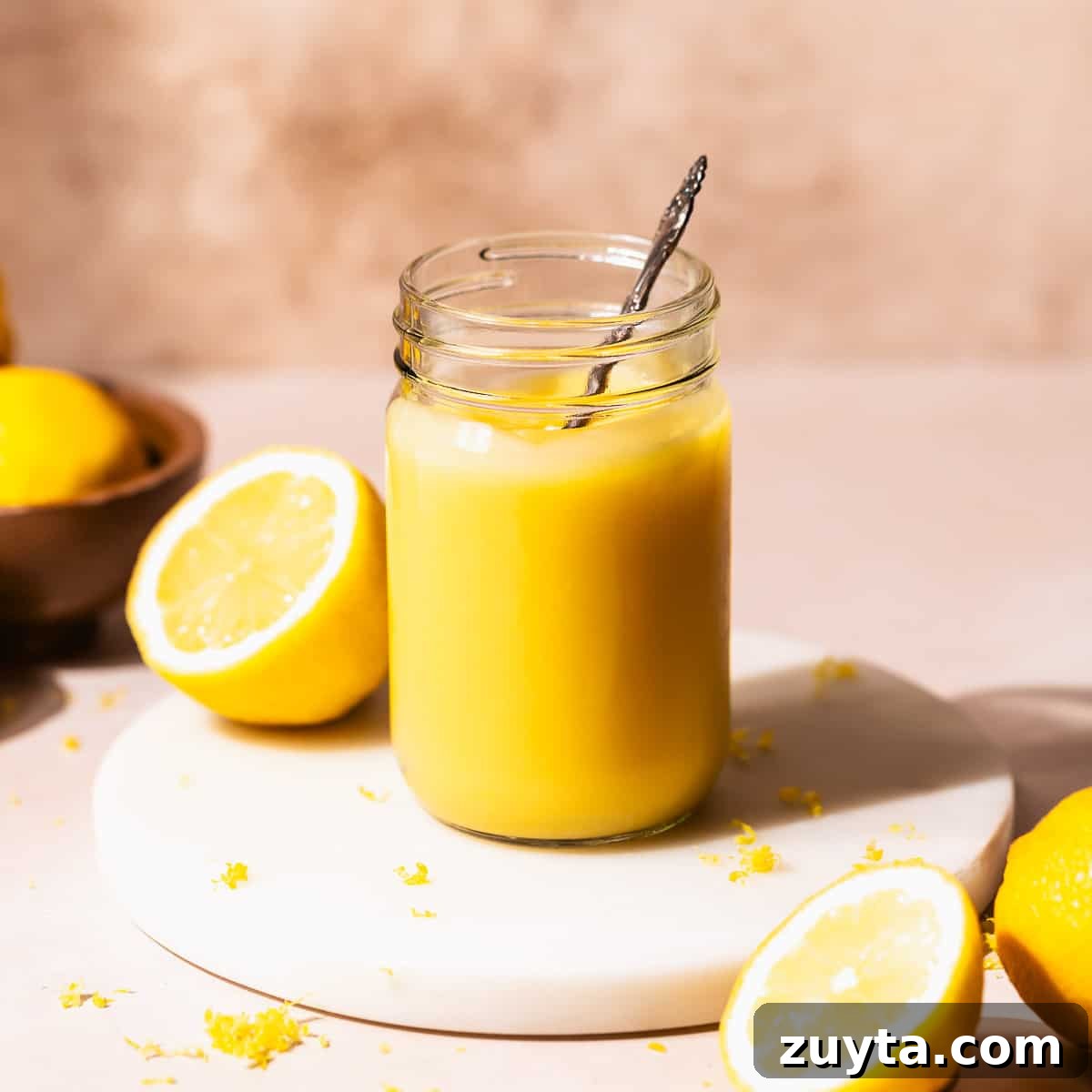
You know that ultra-luscious, tangy-sweet lemon curd you get in bakery pastries? This homemade version is even better. It’s rich, silky, and packed with fresh lemon flavor — and it’s surprisingly simple to make at home.
With just five ingredients and one pot, you’ll have bright, creamy lemon curd in about 15 minutes. Use it on scones, biscuits, pancakes, yogurt, ice cream, or as a filling for cakes and cupcakes. Once you make your own, store-bought will feel like a second choice.
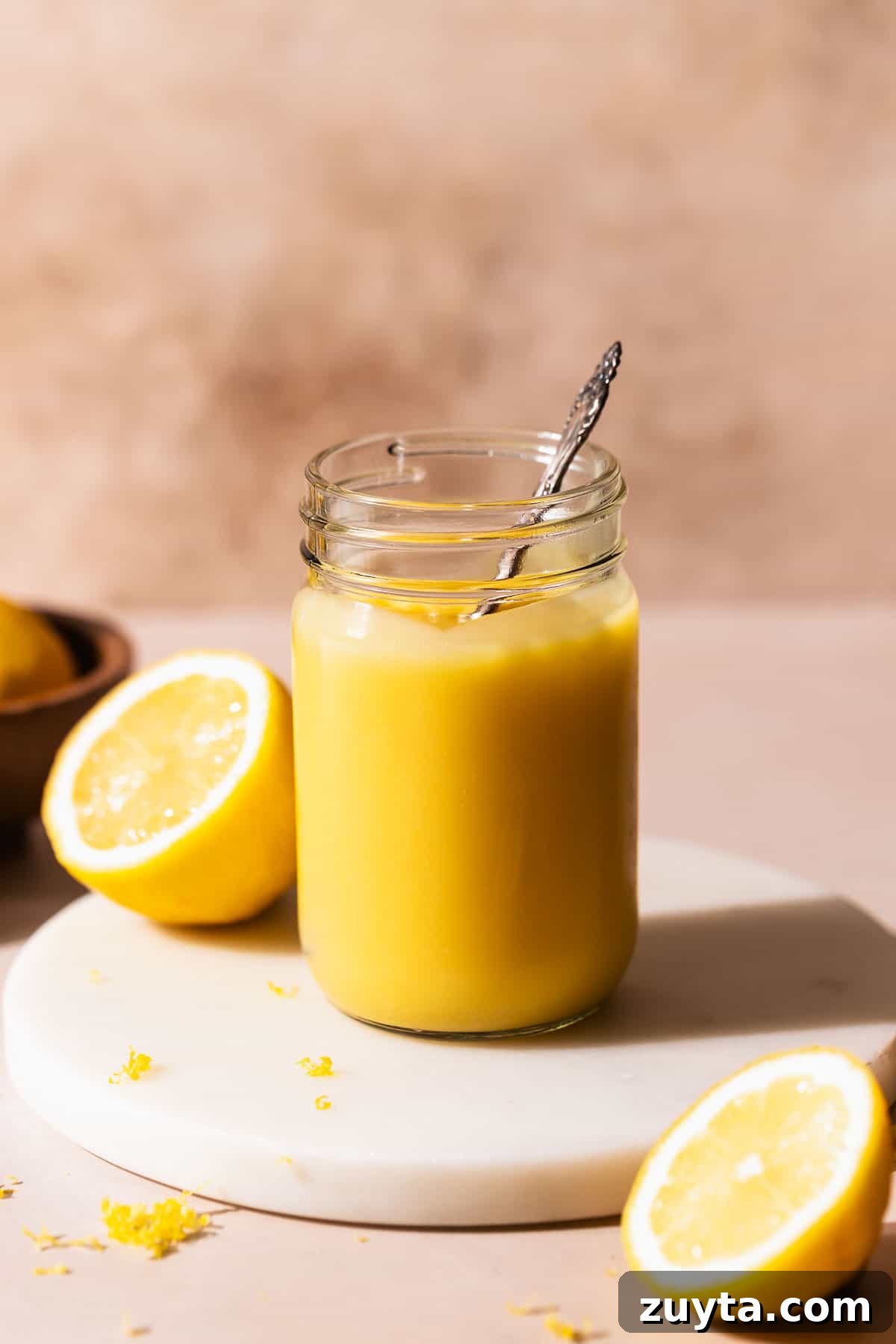
How to Make It
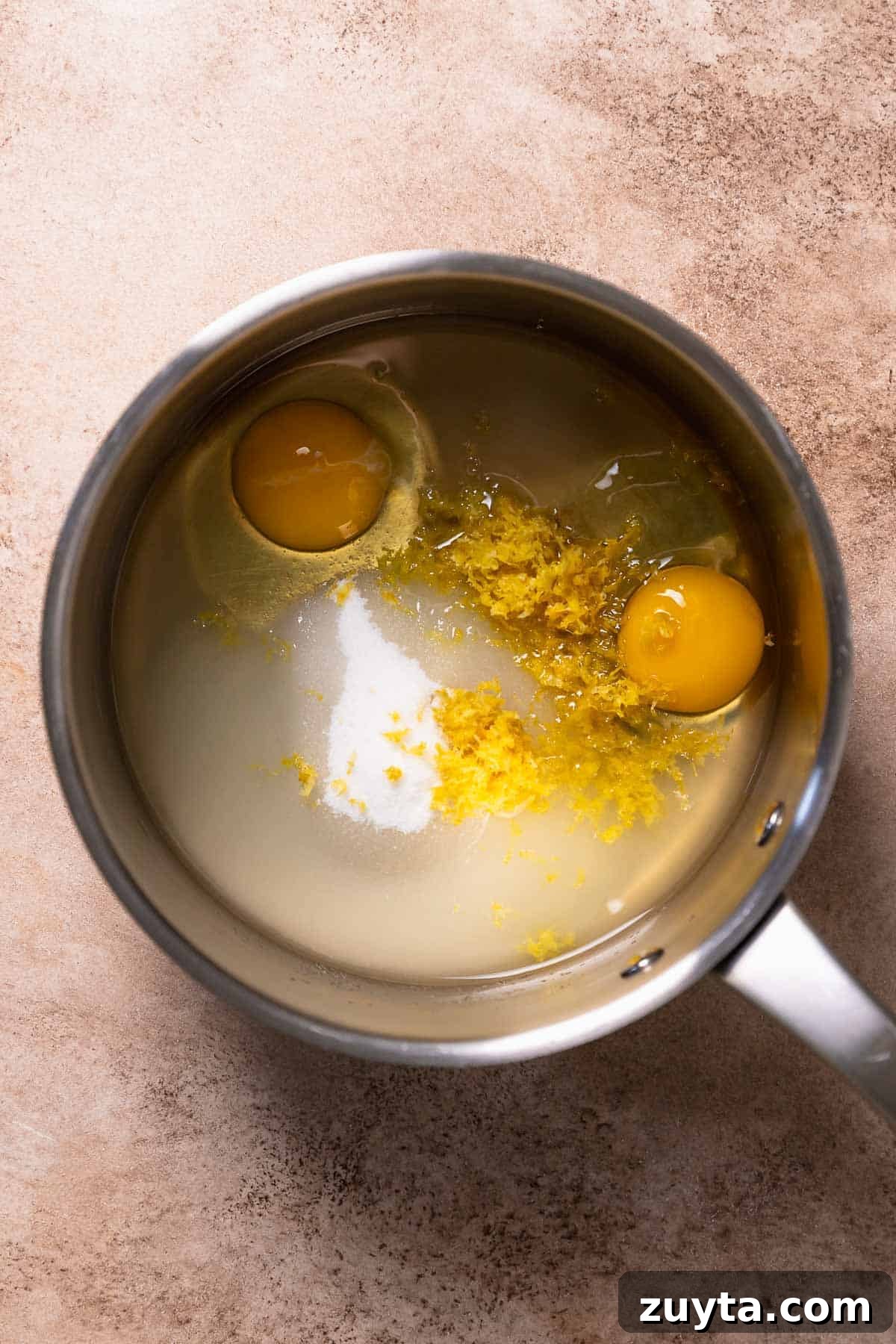
1. Combine the ingredients. Rub the lemon zest into the sugar until it looks like damp sand, then whisk the sugar and zest with the eggs, lemon juice, and a pinch of salt in a medium saucepan.
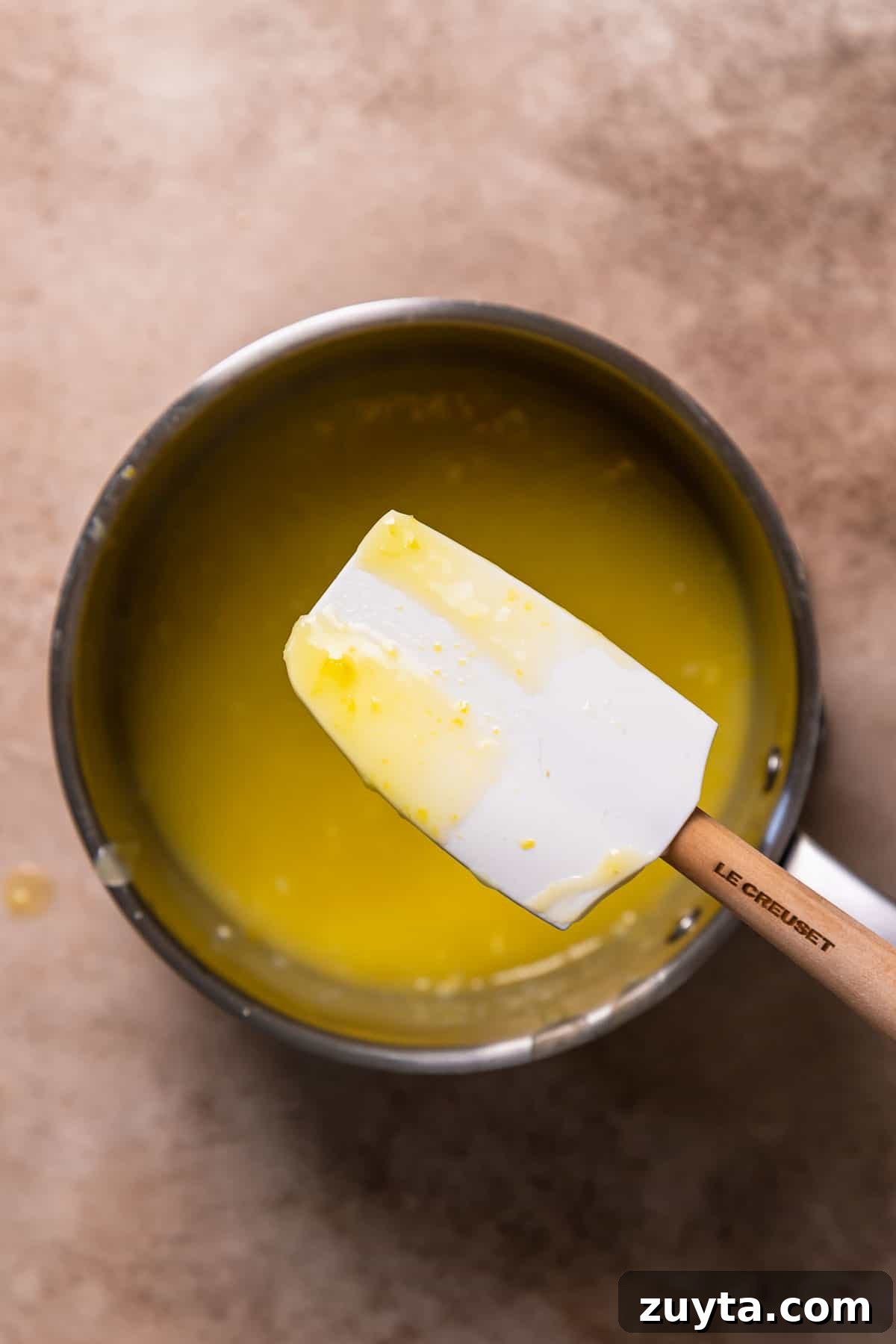
2. Cook gently. Place the pan over medium-low heat and stir constantly with a spatula or whisk. Keep the heat low so the eggs don’t scramble. Cook until the curd thickens and coats the back of a spoon, about 8–12 minutes (or until it reaches 170°F / 78°C on an instant-read thermometer).
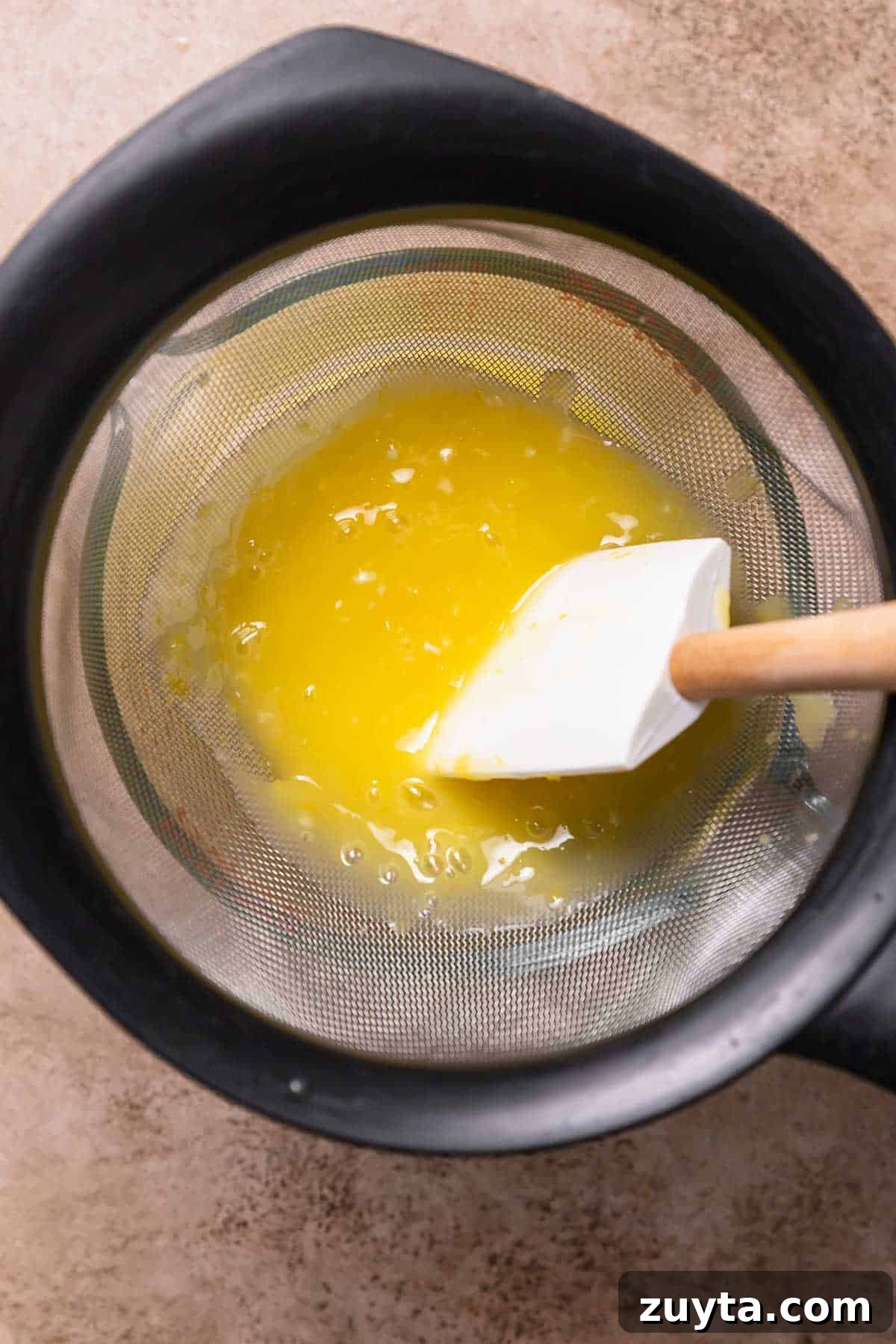
3. Strain the curd. Remove the pan from the heat and pour the mixture through a fine-mesh strainer into a clean bowl to remove any bits of zest or cooked egg for the smoothest texture.
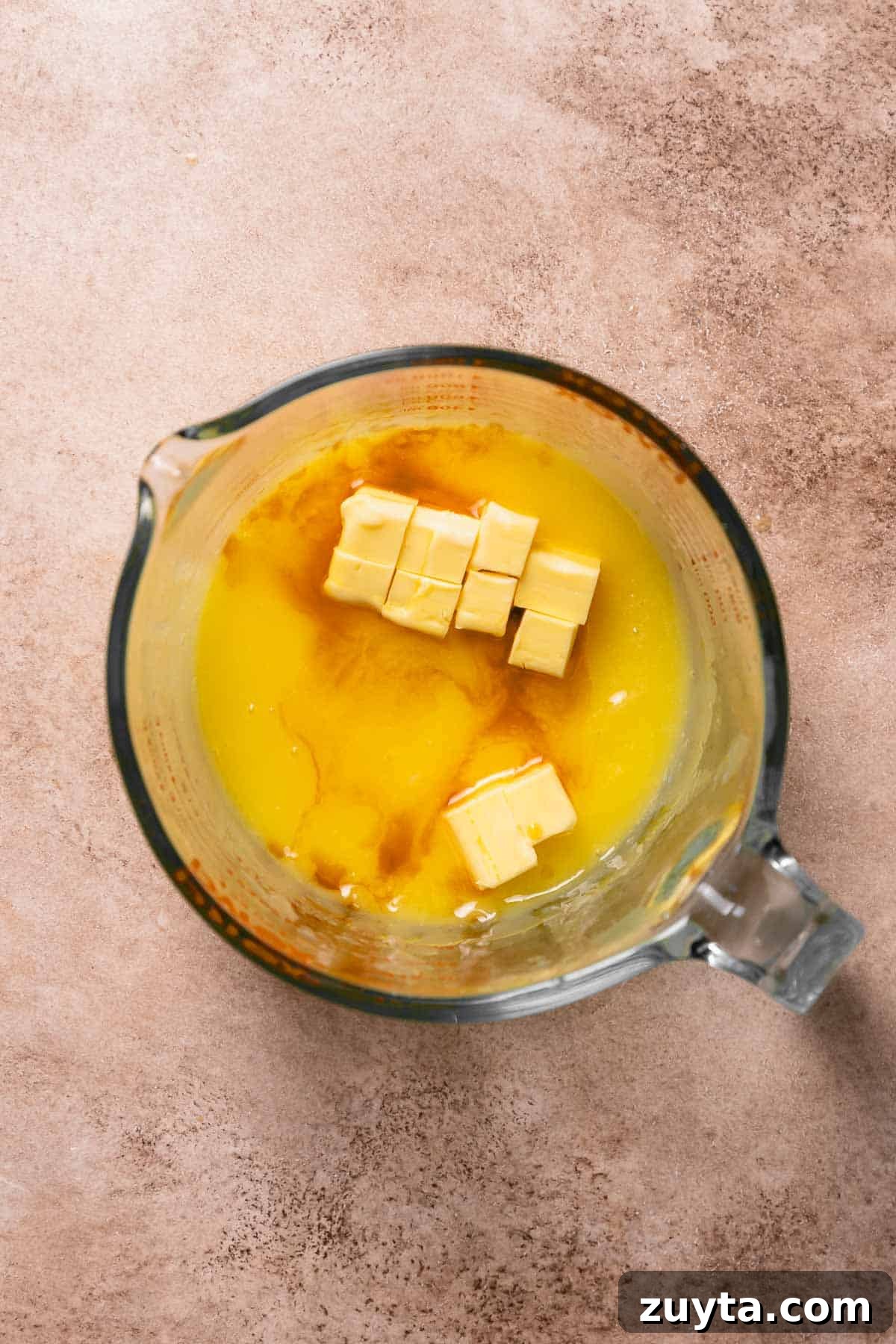
4. Finish with cold butter and vanilla. Stir in cold, cubed butter a few pieces at a time, then add vanilla. Cold butter helps cool the curd quickly and gives it a very silky, glossy finish.
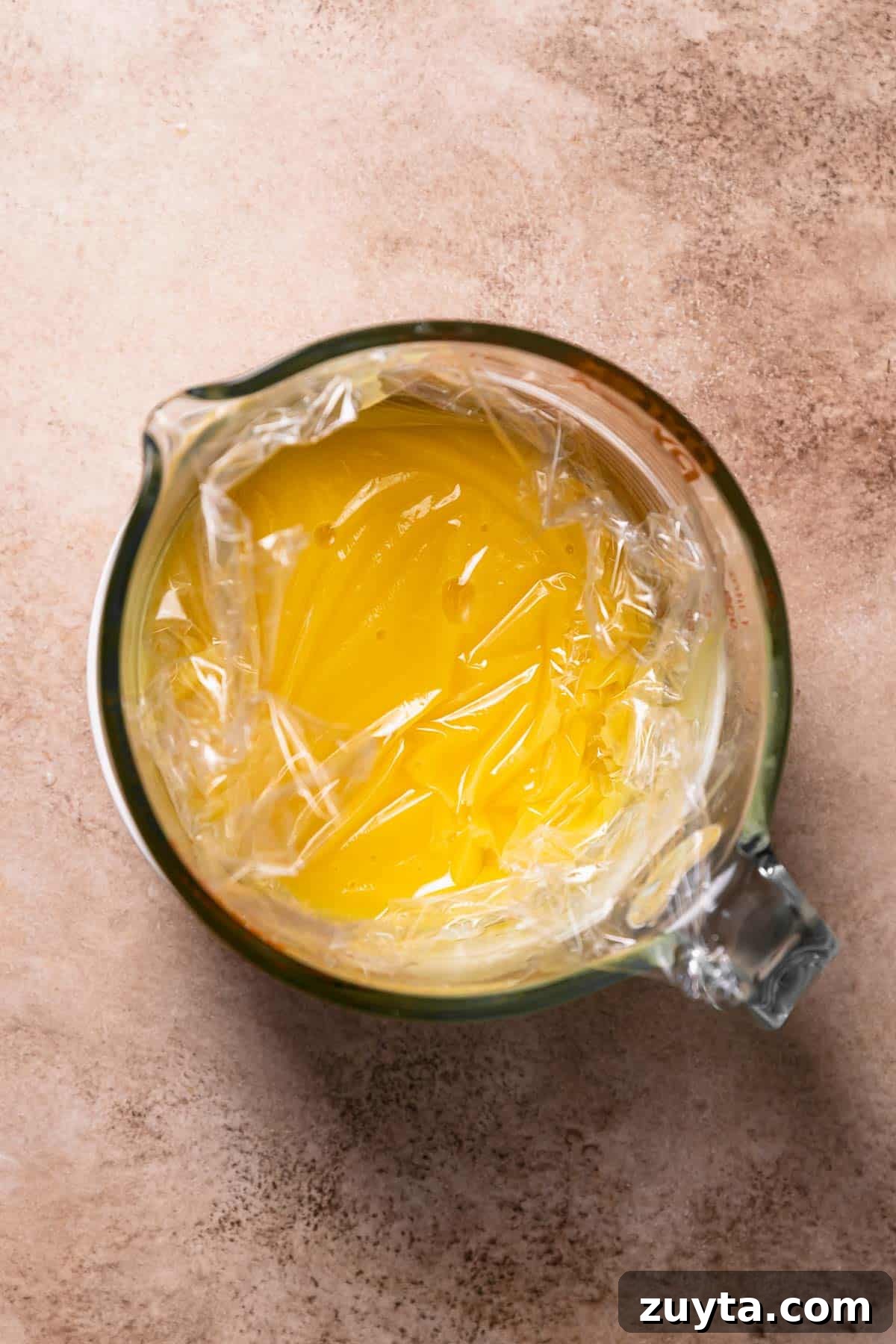
5. Prevent a skin from forming. Press plastic wrap directly onto the surface of the curd while it cools to avoid a dry skin that can make the top look uneven.
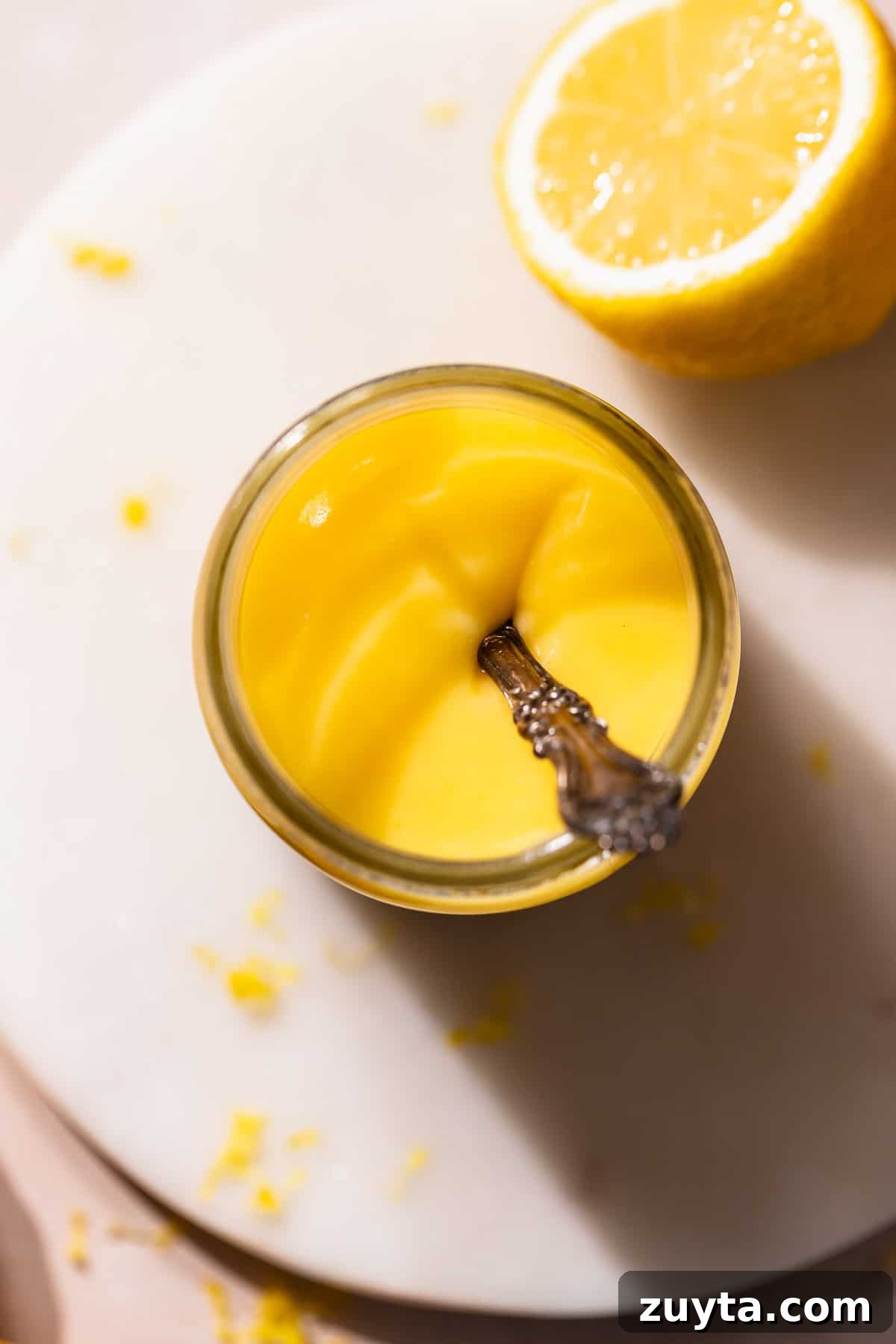
6. Chill before using. Transfer the curd to a clean glass jar and chill until firm. As it cools, the butter will re-solidify and thicken the curd, making it easier to spread or pipe as a filling.
Ingredient Substitutions
Fresh lemons: Fresh juice and zest deliver the brightest flavor. Meyer lemons work beautifully for a milder, floral note. Avoid bottled lemon juice for best results.
Butter: A higher-fat European-style butter adds richness and a fuller mouthfeel, but regular unsalted butter will also yield excellent curd.
Vanilla: Swap pure vanilla extract for vanilla bean paste if you want subtle specks of bean and a touch more depth.
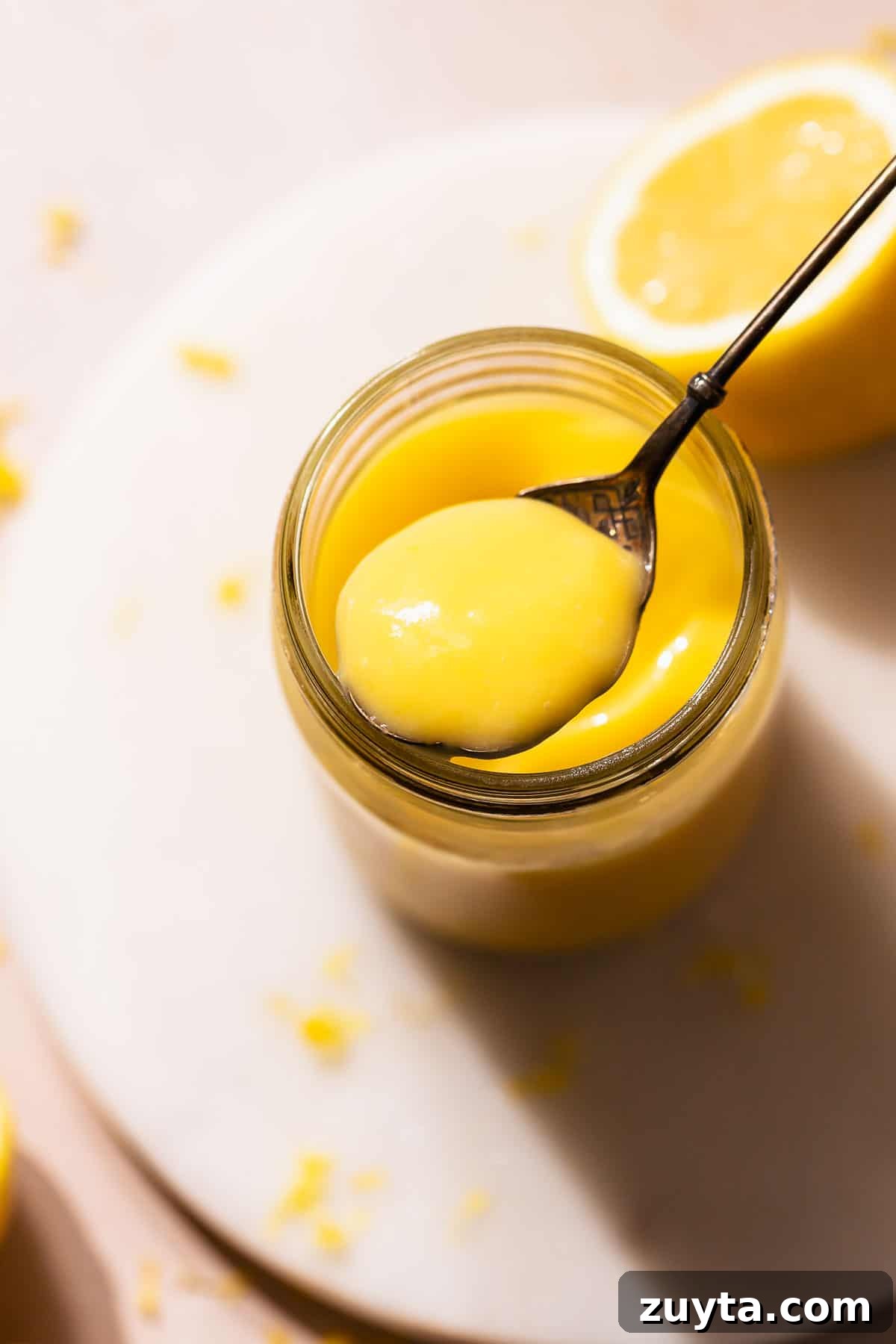
Easy Homemade Lemon Curd
This easy lemon curd is bright, tangy, and super creamy — perfect on scones, biscuits, pancakes, yogurt, or as a cake filling. It requires five simple ingredients and one pot, and is ready in about 15 minutes.
Prep Time: 3 mins • Cook Time: 12 mins • Total Time: 15 mins
Course: Dessert • Cuisine: American • Yield: about 1 cup
Ingredients
- 1/2 cup granulated sugar
- 1 Tbsp + 1 tsp fresh lemon zest
- 2 large eggs
- 1/2 cup fresh lemon juice (about 2–3 lemons)
- Pinch fine sea salt
- 5 1/2 Tbsp unsalted butter, cold and cubed
- 1 tsp pure vanilla extract
Instructions
- Rub the lemon zest into the sugar until fragrant and damp. This releases the oils for stronger lemon flavor.
- In a medium saucepan, whisk the zest-sugar mixture with the eggs until smooth. Whisk in the lemon juice and a pinch of salt.
- Cook over medium-low heat, stirring constantly, until the curd thickens and reaches about 170°F (78°C) or coats the back of a spoon, 8–12 minutes. Do not rush with higher heat.
- Remove from heat and strain the mixture through a fine-mesh strainer into a clean bowl to remove any cooked egg pieces or large zest bits.
- Stir in the cold butter and vanilla until fully combined and silky.
- Press plastic wrap directly onto the surface, let cool briefly, then transfer to a jar and refrigerate until chilled and set.
- Serve chilled or warm on yogurt, pancakes, ice cream, crepes, or use as a filling for cakes and cupcakes.
Storage & Notes
Store lemon curd in a clean glass jar with a tight lid in the refrigerator for up to 1 month. Because lemon is acidic, avoid storing finished curd in reactive metal containers. You can freeze lemon curd for up to 3 months; thaw in the refrigerator overnight before using and consume within 4 weeks after thawing.
Troubleshooting: If your curd doesn’t set, it may not have cooked long enough or the proportions may have been off. If it tastes metallic, avoid using non-stainless pots or utensils — lemon juice can react with some metals. For a different flavor, try swapping lemons for oranges, limes, or grapefruits using the same proportions.
This recipe was created and tested by a real person — simple techniques and good ingredients make all the difference in a silky, bright lemon curd you’ll reach for again and again.