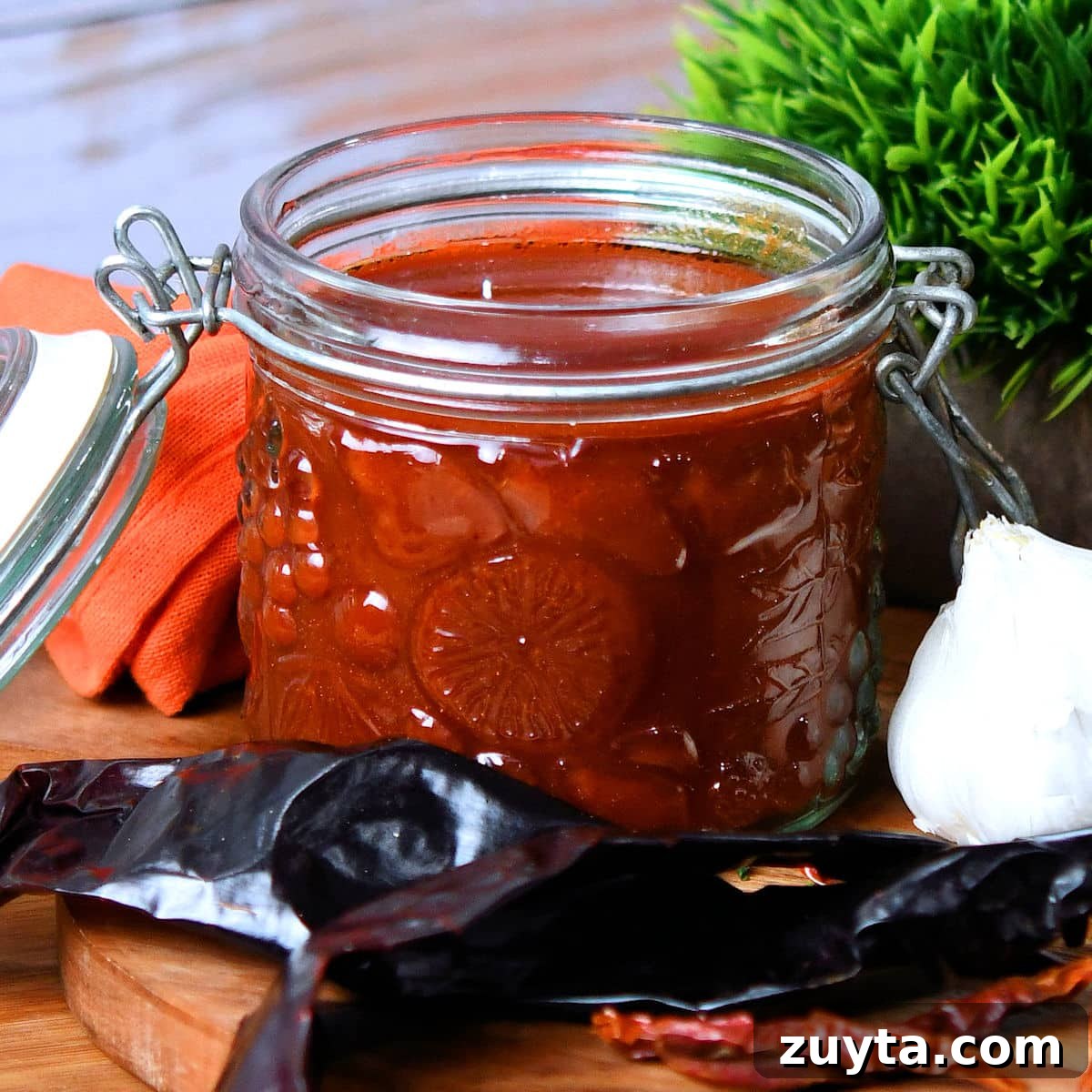
This guajillo sauce is a classic Salsa Roja that brightens any Mexican meal. Use it for enchiladas, chilaquiles, tamales, tacos, or as a flavorful condiment for eggs and grilled meats.
- What are Guajillo Chiles?
- What Can You Substitute for Guajillo Peppers?
- Are Guajillo Chiles Spicy?
- How Do You Use Guajillo Sauce?
- Recipe
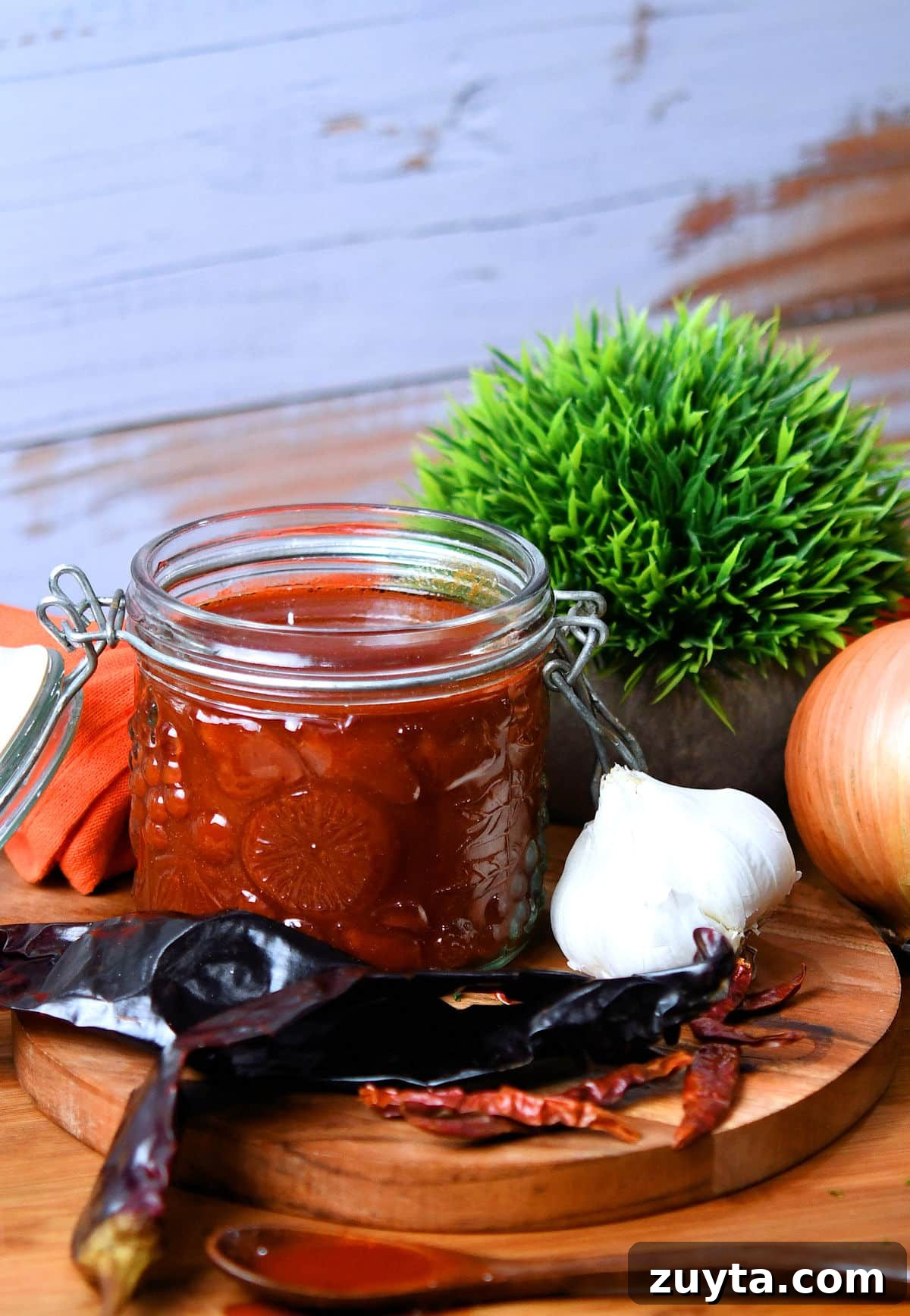
Ingredients
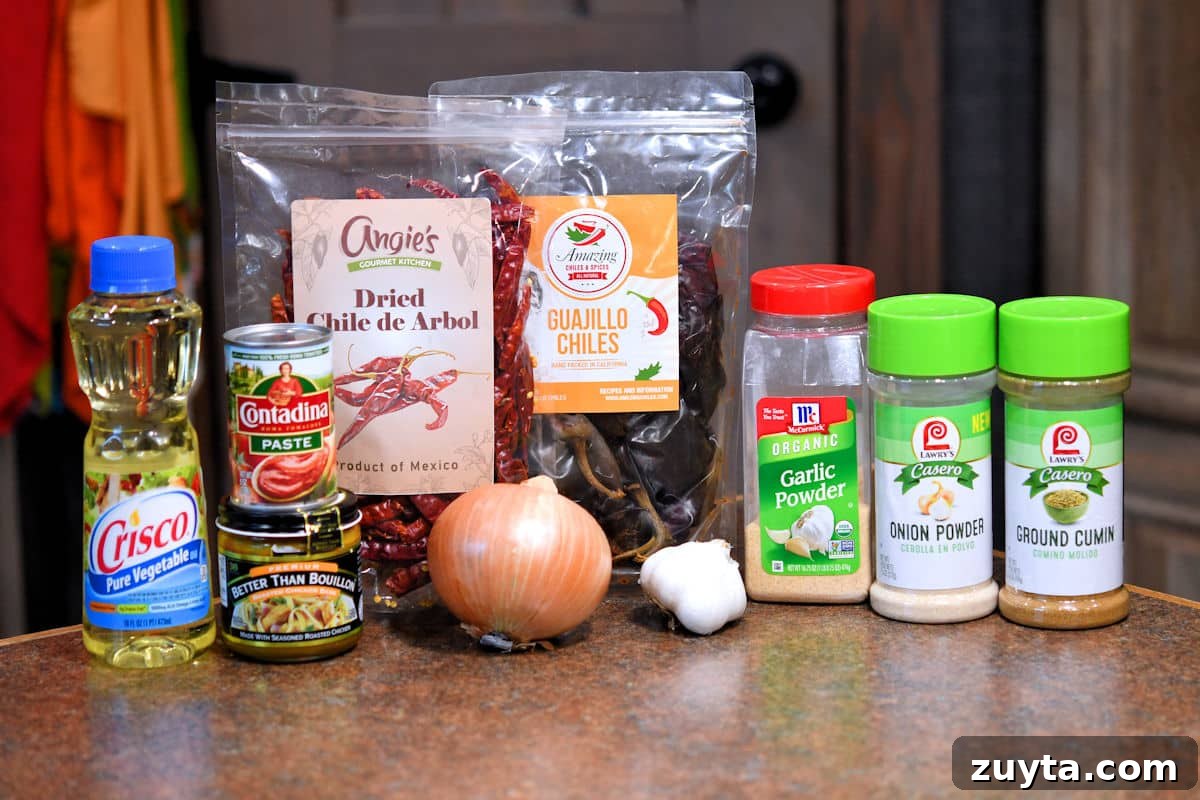
Dried Chiles
Guajillo chiles provide the signature deep red color and fruity, slightly tangy flavor of this sauce. The recipe below uses several dried guajillos. If you want more heat, add one or two chiles de árbol, but they are optional — start small and adjust to taste.
Fresh Onion and Garlic
Fresh onion and garlic add brightness, but using a small amount keeps the sauce from turning too orange. If you prefer a stronger aroma without changing color, use powdered onion and garlic to taste.
 |
Browse the 24Bite recipes to explore variations and ideas for pairing. |
Tomato Paste
Tomato paste is optional but useful for deeper flavor when fresh tomatoes aren’t available. You can also roast a Roma tomato with the chiles and blend it in for a fresher profile.
Broth or Bouillon
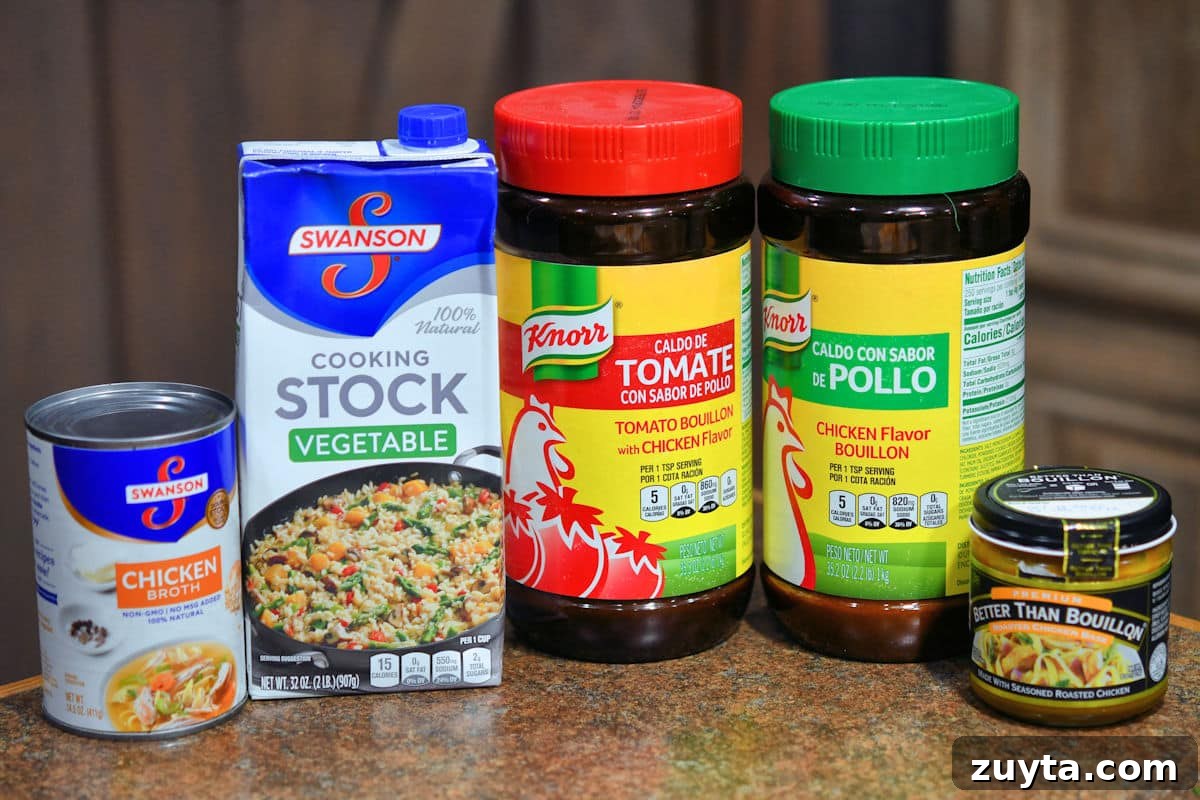
Instead of plain water, using chicken stock, bouillon (paste, granules, or powdered), or vegetable stock adds savory depth. Keep in mind these add salt, so taste before adding extra salt to the finished sauce.
What are Guajillo Chiles?
Guajillo is one of the most popular dried chiles in Mexican cooking. They are long and slightly curved with a smooth, deep red skin. Guajillos offer a fruity, tangy flavor with moderate heat that makes them ideal for red sauces and marinades.
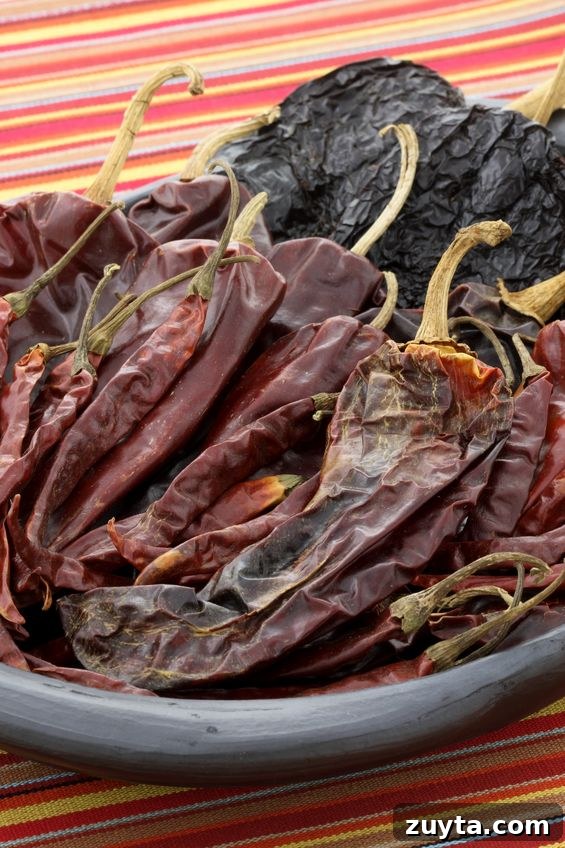
When buying dried chiles, look for well-sealed packaging to preserve aroma and texture. If they seem brittle, store them in an airtight container to protect them from moisture loss.
What Can You Substitute for Guajillo Peppers?
If you can’t find guajillos, other dried chiles can work well on their own or blended together. Good alternatives include:
- Ancho chiles
- Pasilla chiles
- Cascabel chiles
Are Guajillo Chiles Spicy?
Guajillo chiles have moderate heat—spicier than an ancho but milder than many small thin chiles. If you want a milder red sauce, consider dried California/Anaheim chiles. Remember: you can always add heat later, but you can’t remove it once added.
Do You Strain Guajillo Sauce?
Whether to strain comes down to the intended use. For enchilada sauce or smooth soups, strain the sauce for a silky texture. For dipping or as a chunky condiment, blend less for a hearty texture and leave it unstrained.
How Do You Use Guajillo Sauce?
Guajillo sauce is versatile: use it as an enchilada sauce, a base for chilaquiles, a tamale sauce, or as a condiment for tacos, grilled meats, and eggs. Make a larger batch and freeze portions for easy weeknight meals.
Recipe
Guajillo Sauce Recipe
This simple red sauce yields about 2 cups and is ready in roughly 30 minutes. Adjust heat and consistency to suit enchiladas, dipping, or adding to masa for tamales.
Prep Time: 10 minutes • Cook Time: 20 minutes • Total: 30 minutes
Servings: 2 cups • Calories: 70 kcal • Author: Christian Guzman
Equipment
- Medium saucepan
- Electric blender or food processor
Ingredients
- 6 dried guajillo chiles
- 1 chile de árbol (optional, for heat)
- 4 garlic cloves, peeled
- 1/4 large onion
- Water (for simmering and blending)
- 1/2 teaspoon garlic powder
- 1/2 teaspoon onion powder
- Pinch of ground cumin
- 1 tablespoon tomato paste (optional)
- 1/2 teaspoon chicken bouillon (or equivalent stock/broth)
- Salt and pepper to taste
- 1 tablespoon vegetable oil
Instructions
- Remove stems from the dried chiles, split them open, and discard seeds and membranes. For small chiles de árbol, break in half and remove seeds as best you can.
- Rinse the peppers under cool water to remove dust.
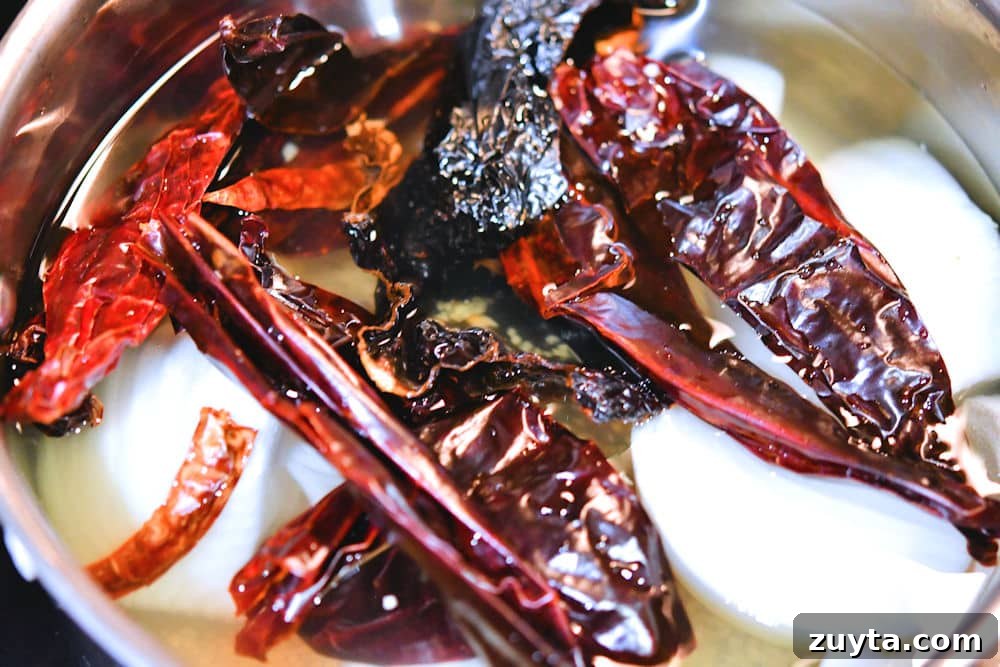
- Place the chiles, onion, and garlic in a medium saucepan and add enough water to cover. Bring to a gentle boil, then reduce heat and simmer 20–30 minutes until the chiles are soft.
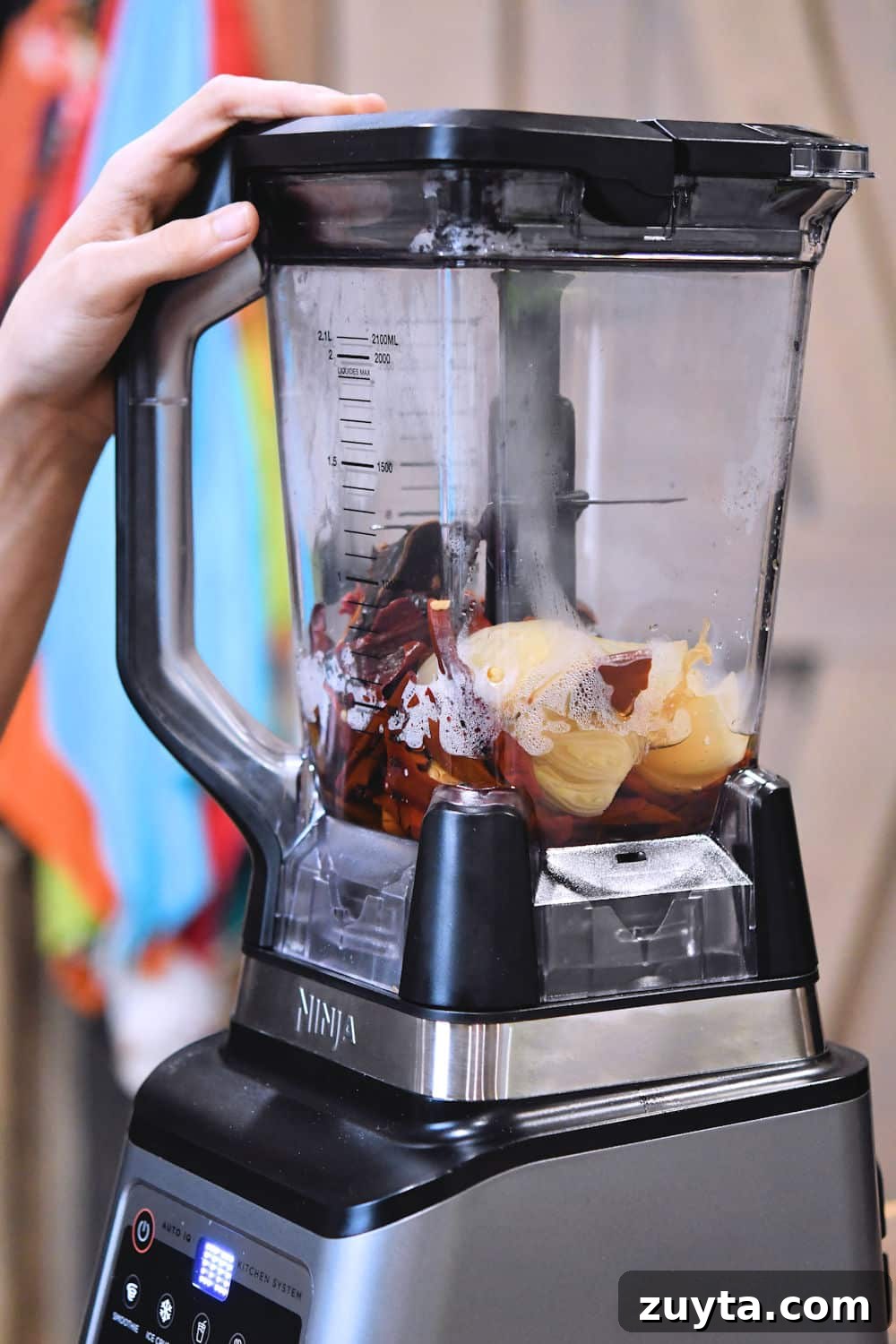
- Remove the softened chiles, onion, and garlic with a slotted spoon and transfer to a blender. Discard the cooking water. Add about 1 cup of fresh water to the blender so the mixture can move freely and blend until smooth.
- Optional: For a silky sauce, strain the blended mixture through a metal strainer into a bowl, pressing solids with a spoon. For a chunky salsa, skip straining.
- Heat oil in a clean saucepan over medium heat. Add the blended sauce (strained or unstrained), tomato paste if using, garlic and onion powders, ground cumin, and bouillon or stock. Add more liquid (water or stock) to reach the desired consistency—about 1–2 cups depending on whether the sauce is strained or chunky.
- Whisk to combine and simmer up to 30 minutes, stirring occasionally. Adjust seasoning and add more liquid if needed. Simmering will deepen the color and meld flavors.
Notes
- You can strain all of the sauce and then fold some of the solids back into a portion if you want both smooth and chunky textures.
- Double or triple the recipe and freeze in pint-size containers for enchiladas and quick meals.
- When using in tamales, adding about 1 cup of unstrained sauce into the masa gives color and chile flecks. For enchiladas and chilaquiles, a strained sauce is preferred.
Nutrition (per serving)
Percent Daily Values are estimates. If you have specific dietary needs, verify nutritional details from your ingredient labels. The recipe and guidance are provided as-is.
© 2019-2026 Kim Guzman and Christian Guzman. All rights reserved.
Follow 24Bite: