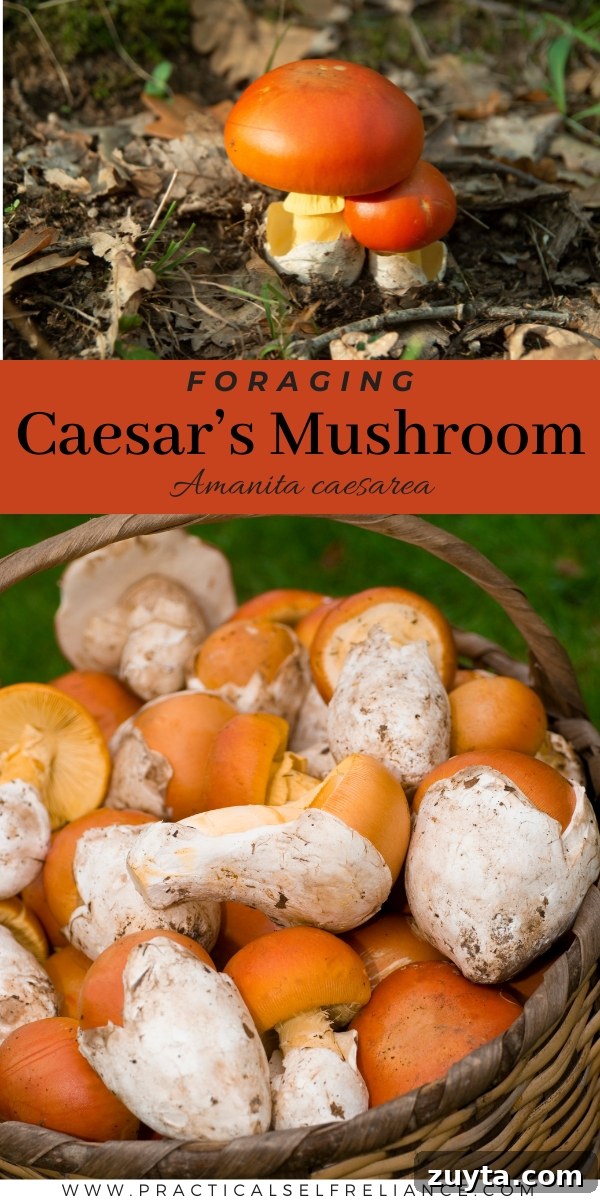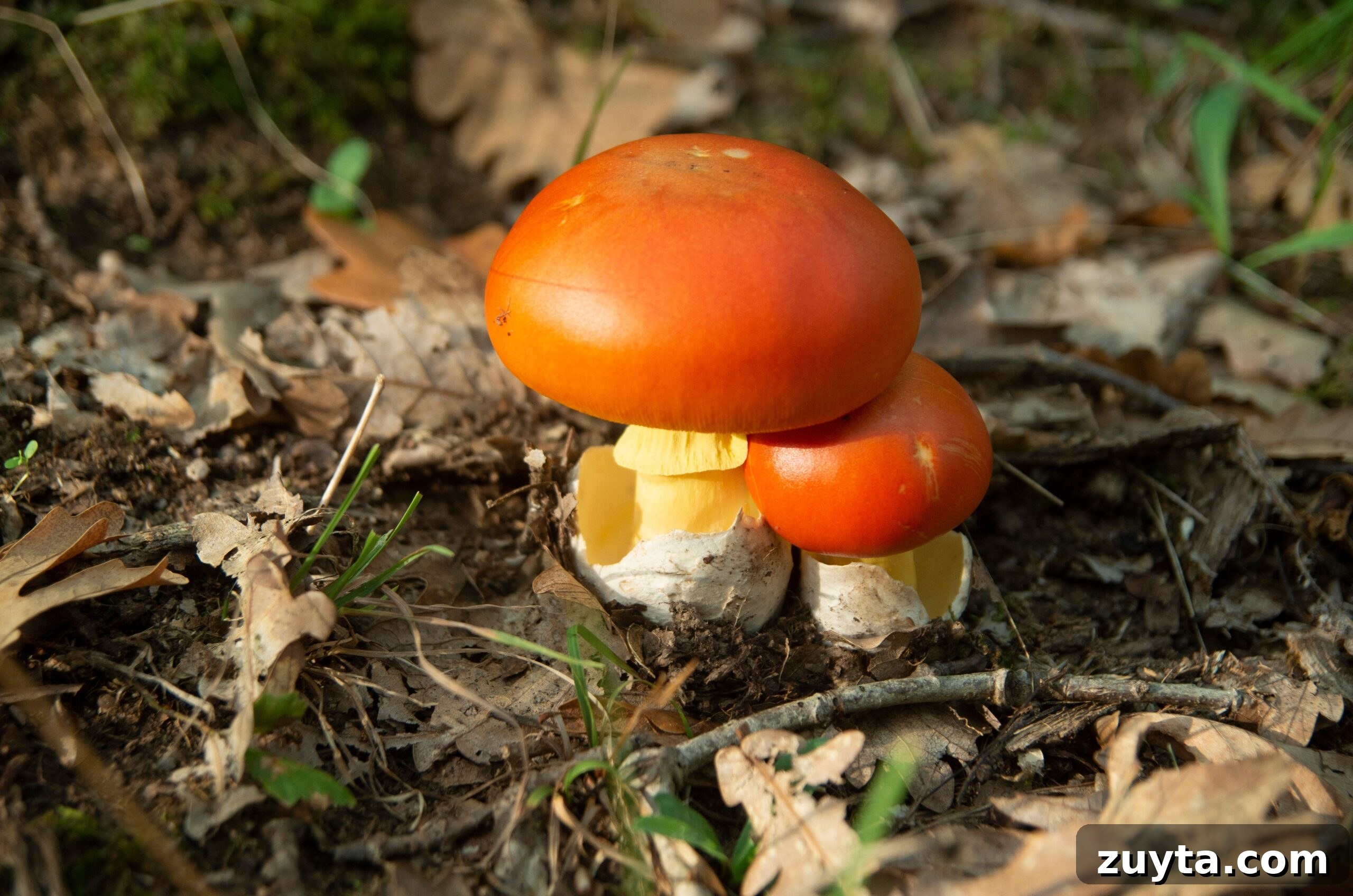
Caesar’s mushrooms (Amanita caesarea and related edible amanitas) are highly prized by foragers for their flavor and color, but they can be tricky to identify. This species is not recommended for beginners, yet finding one remains an exciting reward in the woods.
This article was written by Timo Mendez, a freelance writer and amateur mycologist who has foraged wild mushrooms around the world.
Caesar’s mushrooms rank among the most sought-after wild edible mushrooms. Their texture, rich umami flavor and striking orange-red color make them a culinary favorite in regions where they grow. After sampling over a hundred wild species, many foragers still put Caesar’s mushrooms near the top of the list.
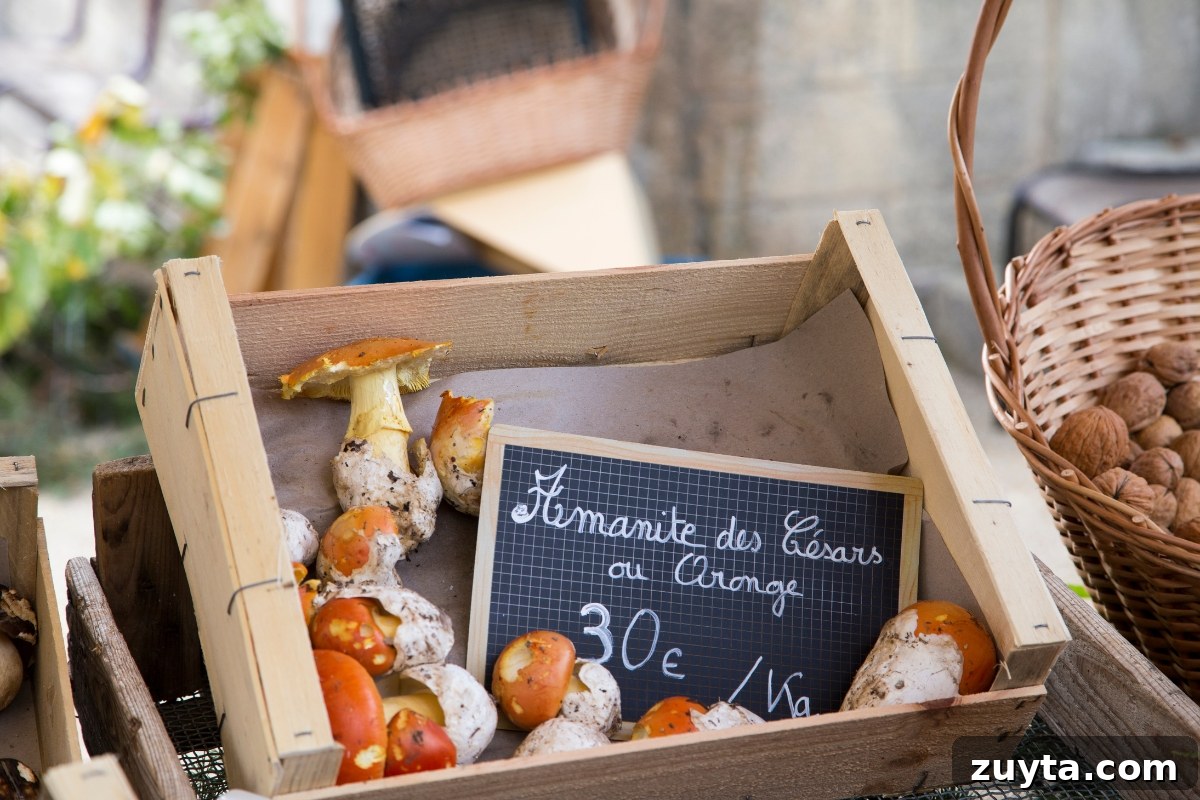
Historically associated with Roman nobility, these mushrooms were prized at lavish feasts. Today they still command high prices in some markets, reflecting their reputation and demand.
However, Caesar’s mushrooms belong to the Amanita genus, a group that also includes several deadly and toxic species such as Amanita phalloides (the Death Cap) and Amanita muscaria (the Fly Agaric). Because of these dangerous lookalikes, I advise novice foragers to avoid collecting any edible Amanita species until they have a solid identification foundation, ideally guided by an experienced mycologist.
Amanitas in the Caesar group are ectomycorrhizal, forming essential partnerships with trees like oak and pine. Because of this symbiosis, they cannot be reliably cultivated with conventional methods and are primarily wild-harvested.
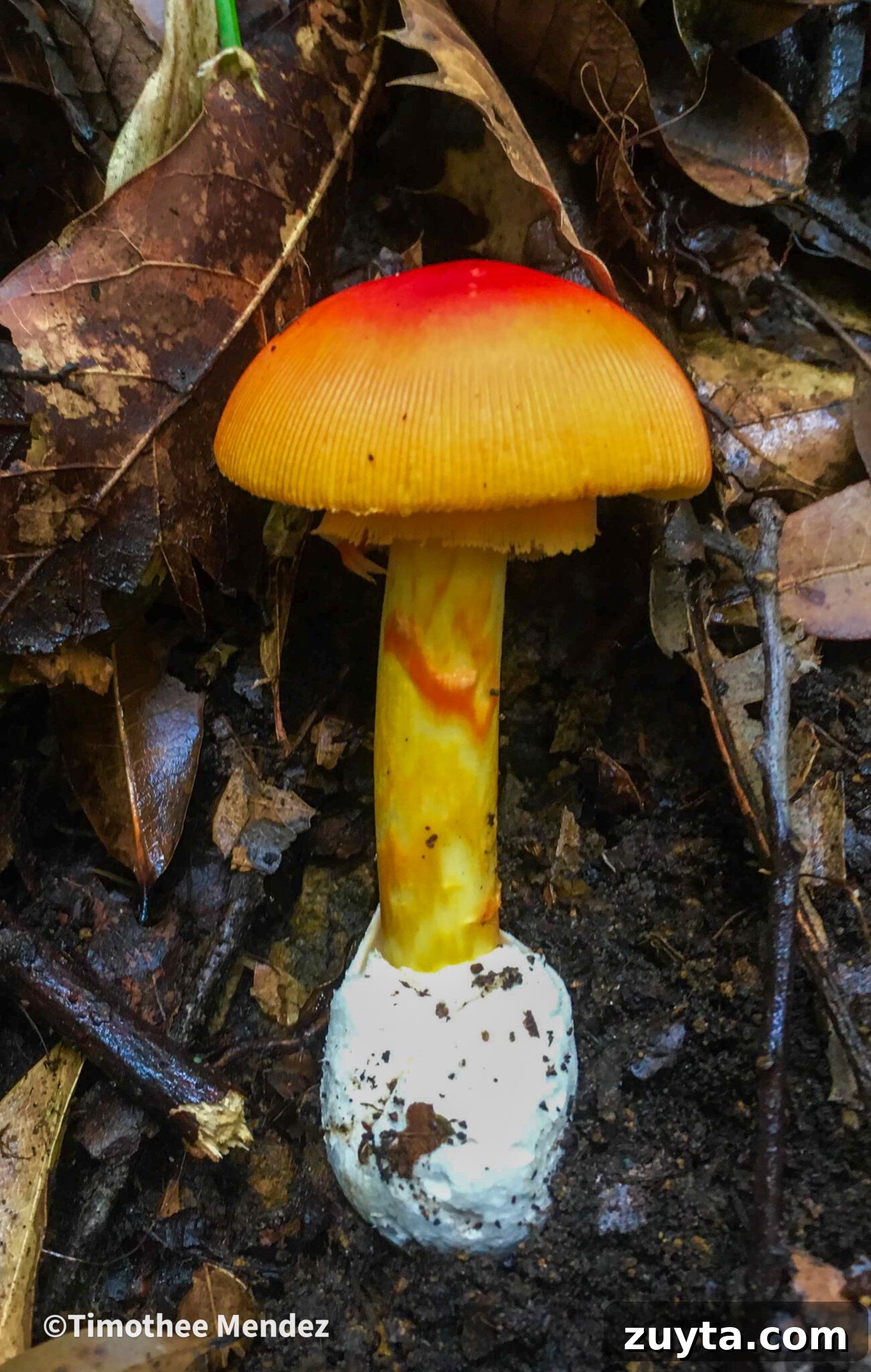
Natural History Of Caesar’s Mushroom
The Caesar’s mushroom complex includes more than a dozen related species across Europe, Asia and North America. Europe is home to the classic Amanita caesarea, common in Mediterranean climates. North America hosts several similar species—Amanita jacksonii being the best known in eastern forests—while other related taxa occur in Mexico and parts of Asia. Taxonomy is still evolving, and some North American species were historically grouped under A. caesarea in older guides.
These mushrooms prefer warm, mild climates and often fruit after summer rains. Their association with trees explains why they are most common in oak and pine woodlands and at forest edges where soil warms more rapidly.
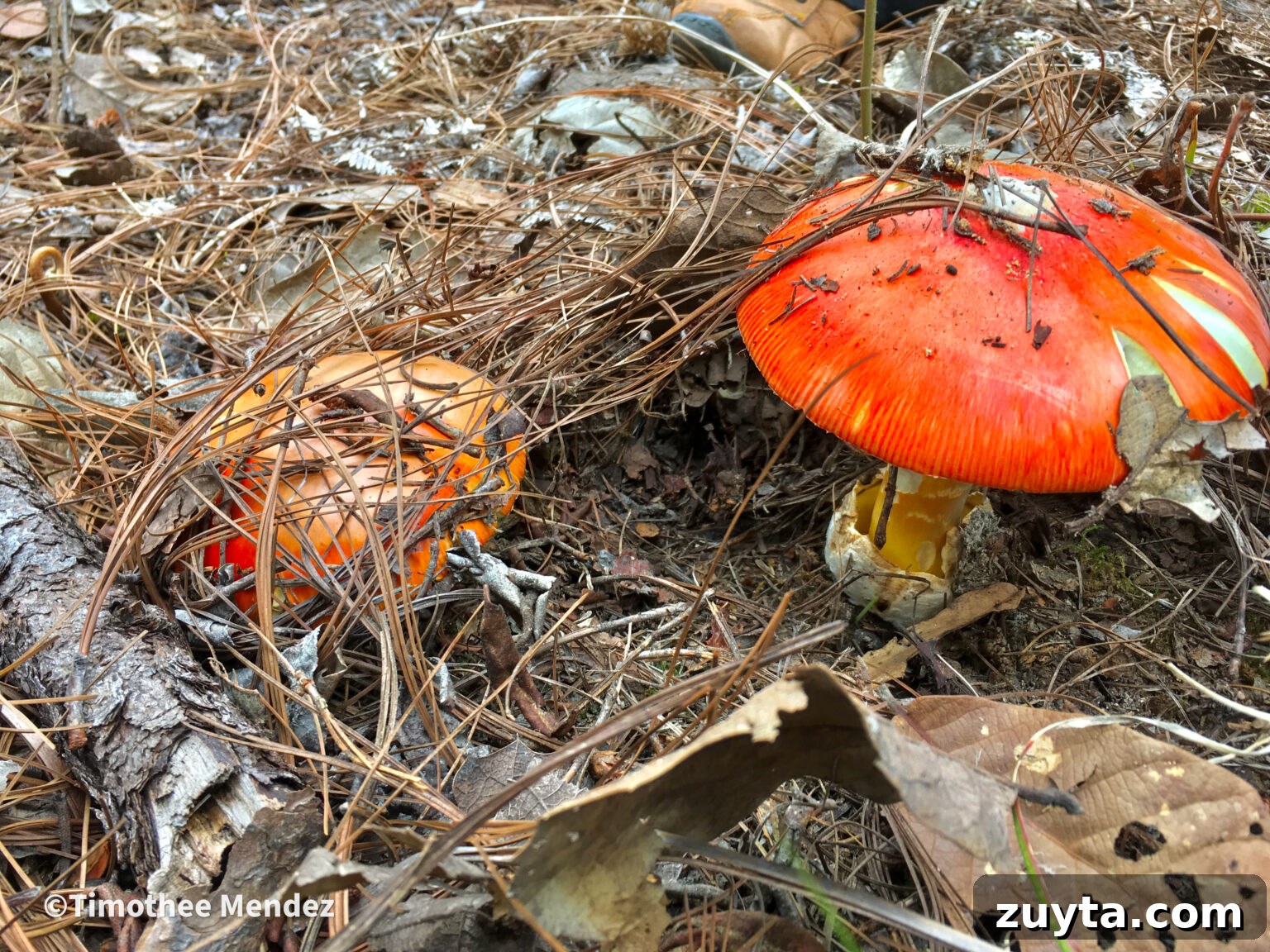
Species commonly included in the Caesar’s mushroom complex
- Jackson’s Slender Caesar (Amanita jacksonii)
- Caesar’s Mushroom (Amanita caesarea)
- Bas’ Caesar (Amanita basii)
- Arkansas Caesar (Amanita arkansana)
- Laura’s Caesar (Amanita laurae)
- Asian Vermillion Slender Caesar (Amanita caesareoides)
- Yolk-Colored Caesar (Amanita yema)
- Half-Dyed Slender Caesar (Amanita hemibapha)
- Mayan Slender Caesar (Amanita hayalyuy)
- Javan Slender Caesar (Amanita javanica)
- Amanita malayensis
- Boedjin’s Slender Caesar (Amanita simillis)
For the purposes of foraging and cooking, the term “Caesar’s mushroom” often refers to members of this complex rather than a single species. You do not always need to determine the exact species to confirm edibility; it’s more important to recognize the group’s diagnostic combination of features and rule out dangerous lookalikes.
Where To Find Caesar’s Mushrooms
In North America, Caesar’s mushrooms are most common in the eastern United States and Canada—from the Gulf states north to Nova Scotia and Quebec. They are absent from much of the western U.S. and Canada, the Rocky Mountains and the Great Plains. In Mexico, montane temperate forests host several species. In Europe they thrive in warm southern regions such as Portugal, Spain, southern France, Italy and Greece, and are rarer farther north.
Look for them under oaks and pines, at forest edges, in open woods, or even in grassy patches near trees when moisture and warmth are right. In the eastern U.S., they can often be found in the same habitats that support other summer-fruiting forest mushrooms.
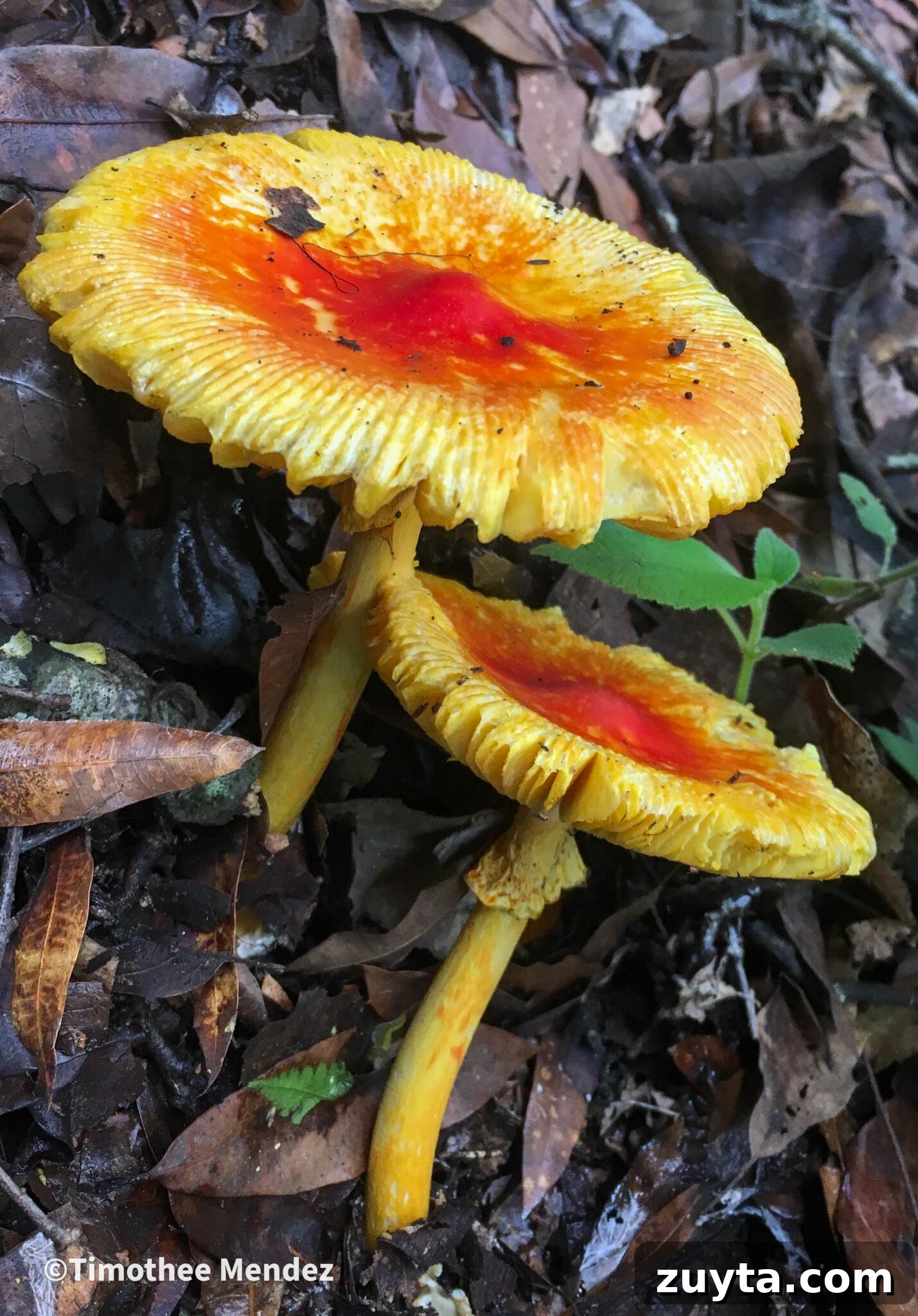
When Is Caesar’s Mushroom Season
Northeast (June–August): Season typically begins in June, peaks in mid-summer and declines through August into September.
Southeast (May–October): Warmer climates extend the season, with earliest occurrences in May and peaks in mid to late summer.
Gulf States (May–November): Often two flushes occur—early summer and a second in early fall—depending on rainfall patterns.
Arizona Sky Islands (July–September): A short, summer monsoon-driven season with a peak in August.
How To Identify Caesar’s Mushrooms
Correct identification relies on a combination of features rather than a single trait. Key characteristics to check include:
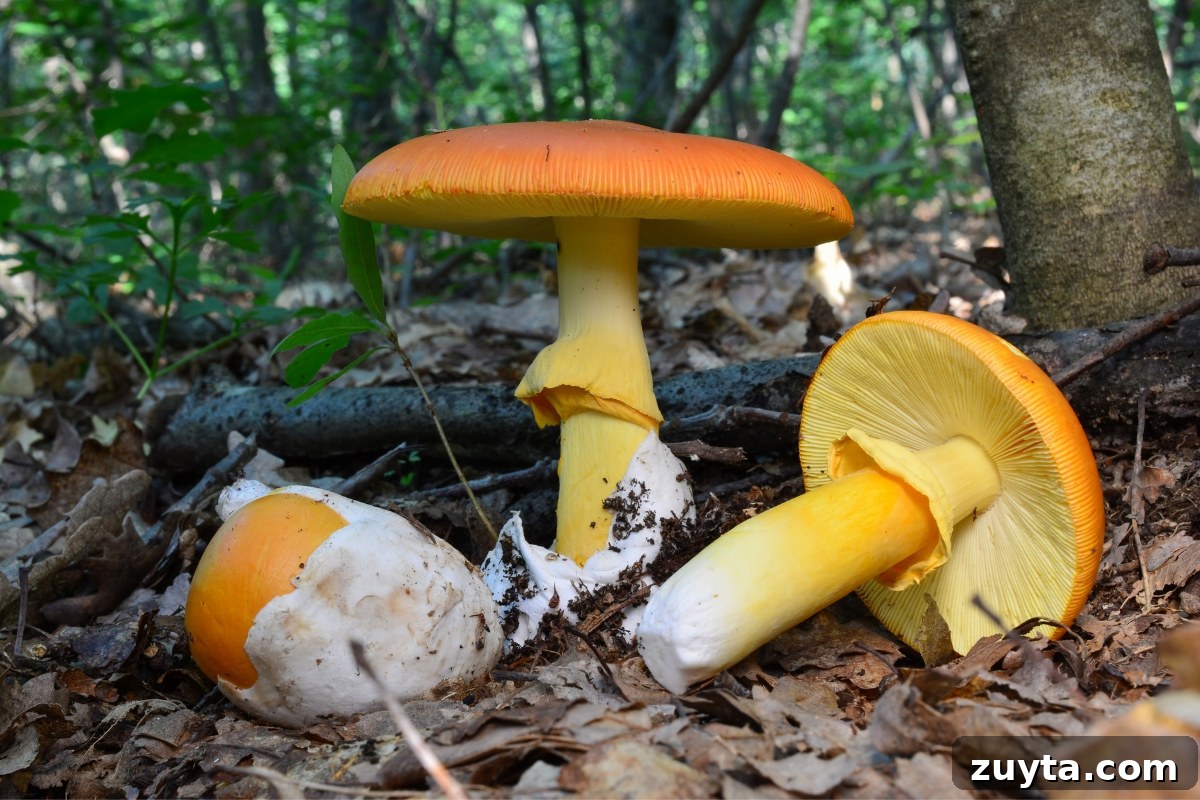
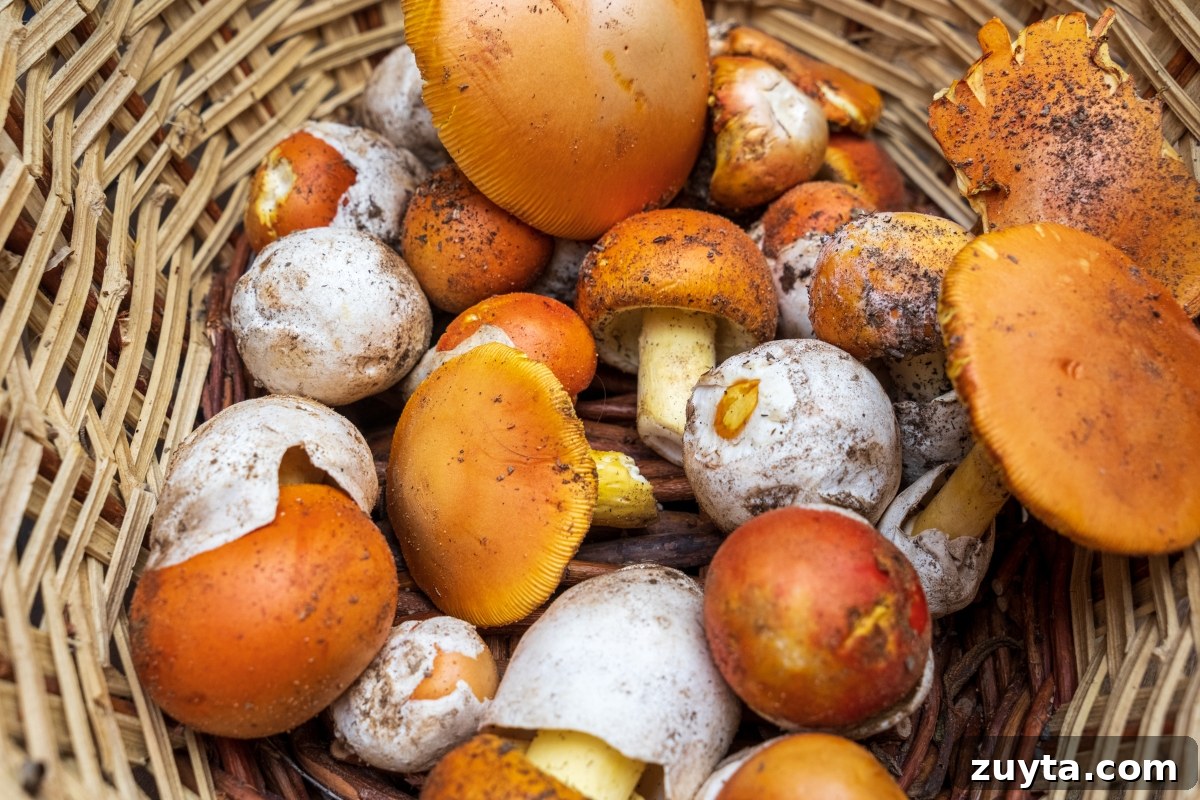
- Cap: Bright orange to red (sometimes more yellow in midwestern forms), often darker in the center and lighter toward the margin. The cap surface should be smooth with no persistent white warts.
- Cap margin: Distinctly striated (finely grooved) along the edge.
- Size: Relatively large and robust—caps up to about 5 inches (12 cm) across and total height up to around 10 inches (24 cm).
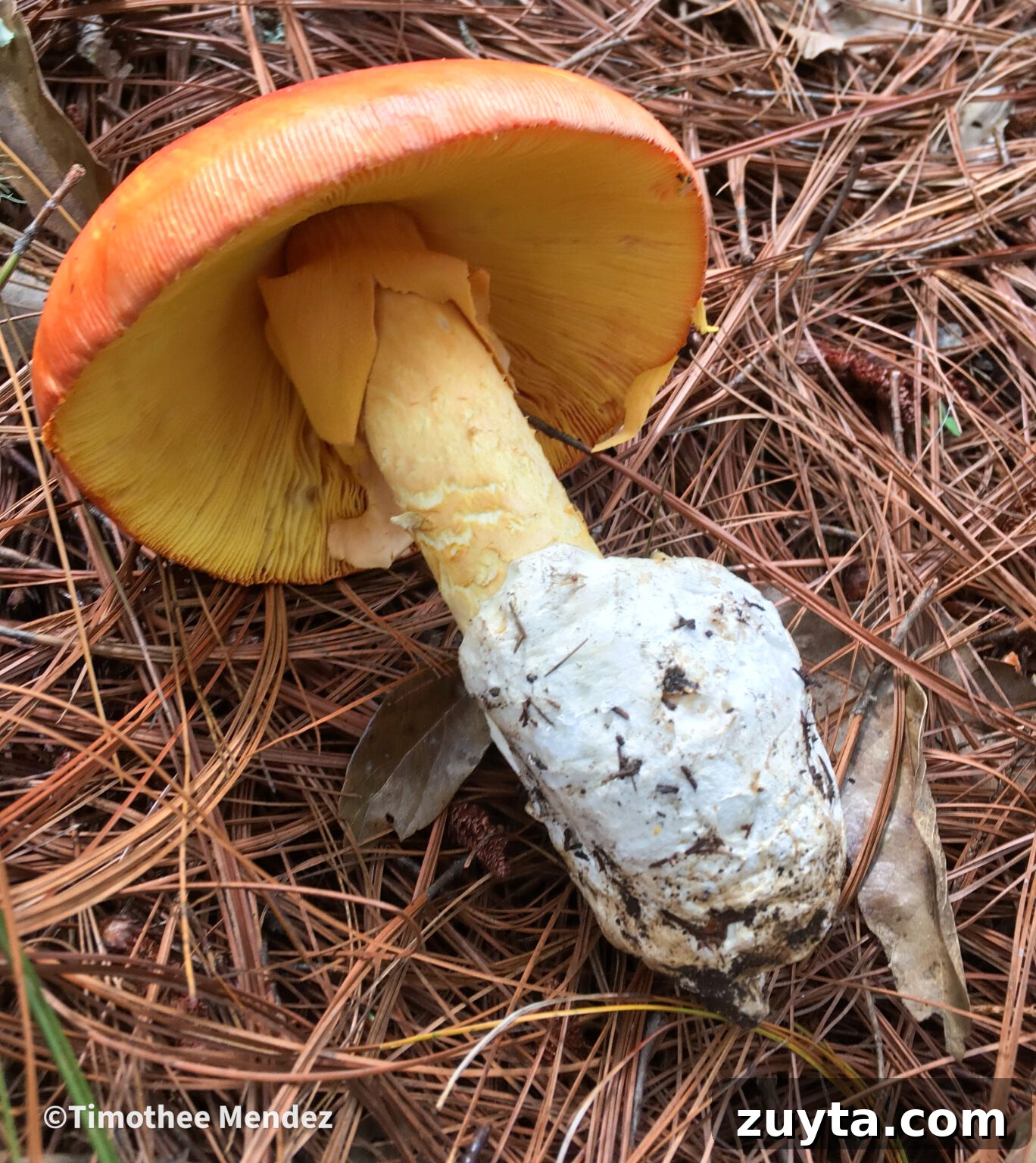
- Flesh and gills: Yellow to orange gills and stem tissue, not plain white.
- Stem and skirt: A yellow-orange stem often with a prominent annulus (skirt) that may be orange on the upper stem.
- Volva: Grows from a large, cottony, sack-like volva at the base; this sac is a reliable feature but may require careful digging to observe.
- Odor and spores: No strong distinctive odor; spores typically white.
Because color and size can vary across species in the complex, only collect specimens that match the overall combination of these features and leave any ambiguous mushrooms in the field.
Caesar’s Mushroom Lookalikes
Being familiar with lookalikes is essential. Handle specimens in the field to inspect features closely—touching mushrooms will not poison you.
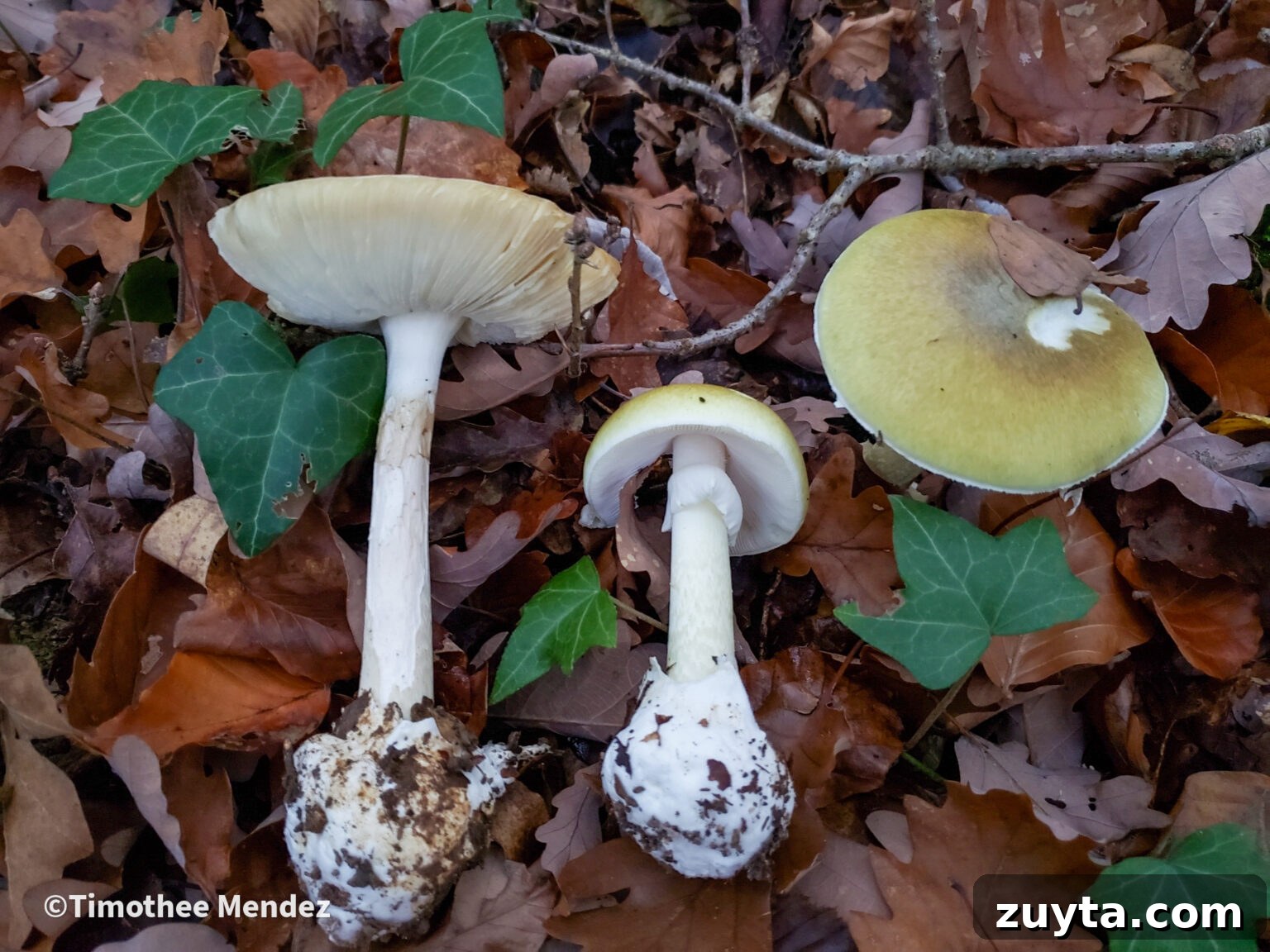
The Death Cap (Amanita phalloides)
Amanita phalloides is the most dangerous lookalike and causes the majority of fatal mushroom poisonings. Key differences: Death Caps usually have an olive to greenish-brown cap, lack the striated cap margin, and have plain white gills and stem tissue rather than yellow-orange tones. If you see any of these features, do not collect the specimen.
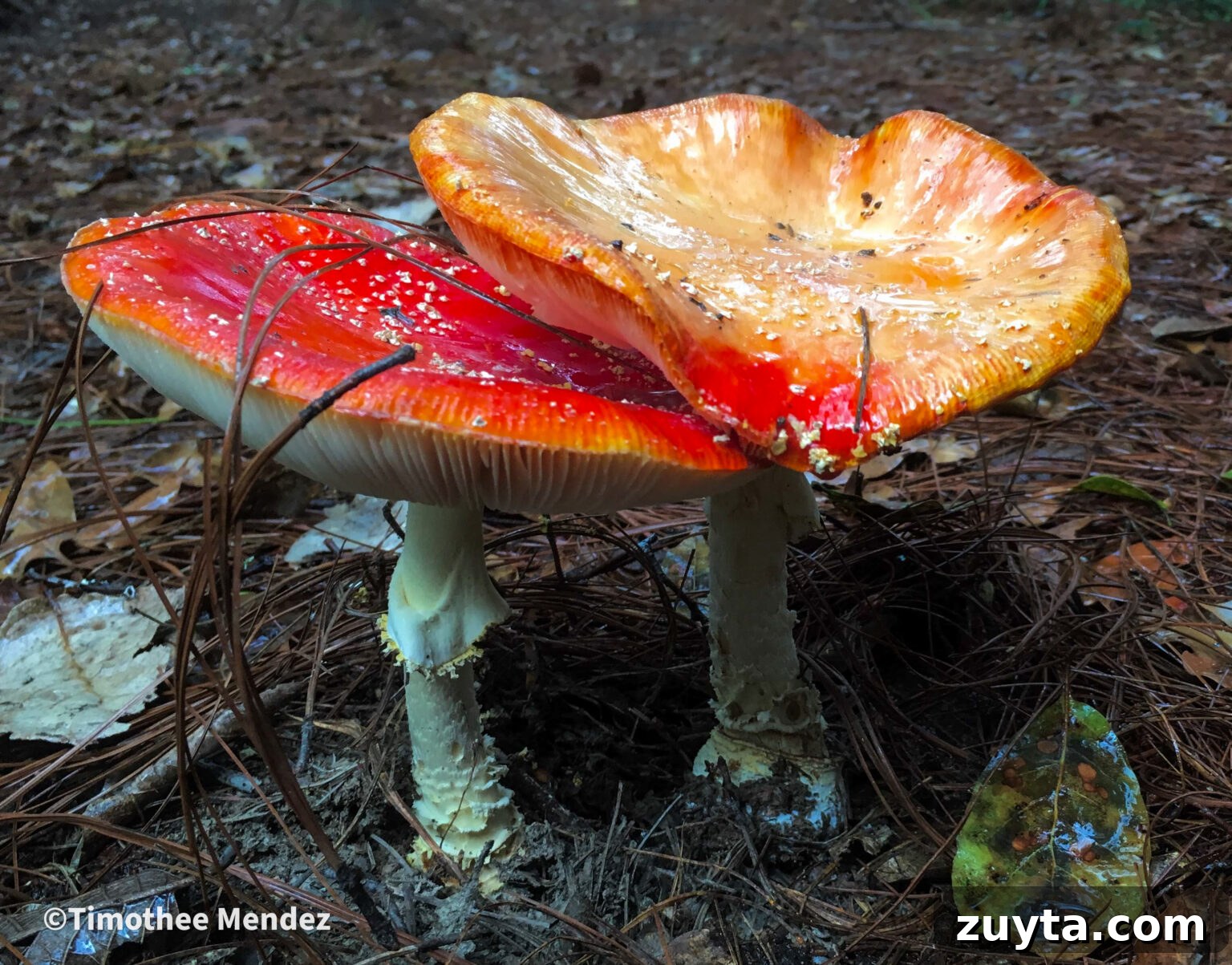
The Fly Agaric (Amanita muscaria)
Amanita muscaria can sometimes show orange-yellow tones and superficially resemble Caesar’s mushrooms. It typically has small white or yellowish warts on the cap—remnants of the universal veil—and white gills and stem. Heavy rain can wash off warts, so inspect for any lingering veil patches on the cap or margin, and check gill and stem color carefully.
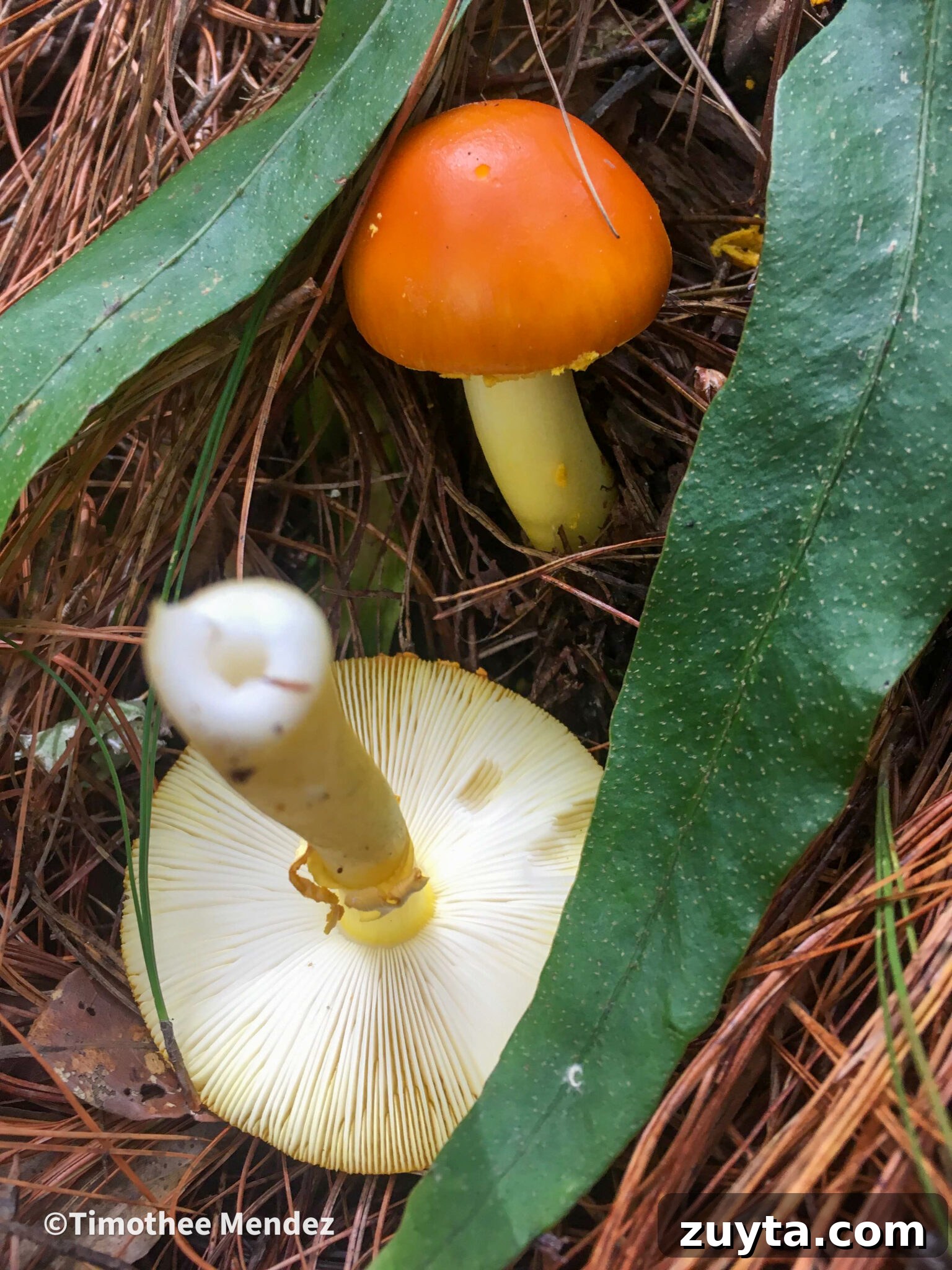
Yellow Patches (Amanita flavoconia and relatives)
Species in this complex often have yellow stems and caps with warts or patches. They are usually smaller and more slender than Caesar’s mushrooms and have a small, closed or sac-like volva rather than the large, open, cottony volva characteristic of Caesar’s mushrooms. These distinctions in volva structure and overall stature are important for safe identification.
Final Word of Caution
Exercise extreme caution when collecting Caesar’s mushrooms. Double-check every diagnostic feature, photograph specimens in the field, and consult a trusted local expert before consuming any Amanita. When in doubt, leave it out.
How To Forage Caesar’s Mushrooms
Forage respectfully: stay on stable ground, avoid damaging roots and soil, and carry out any trash. Caesar’s mushrooms are conspicuous when present—scan open woodland and edges for their bright caps. To preserve identification features, dig carefully to reveal the volva if needed, or harvest cleanly so the base remains intact for inspection.
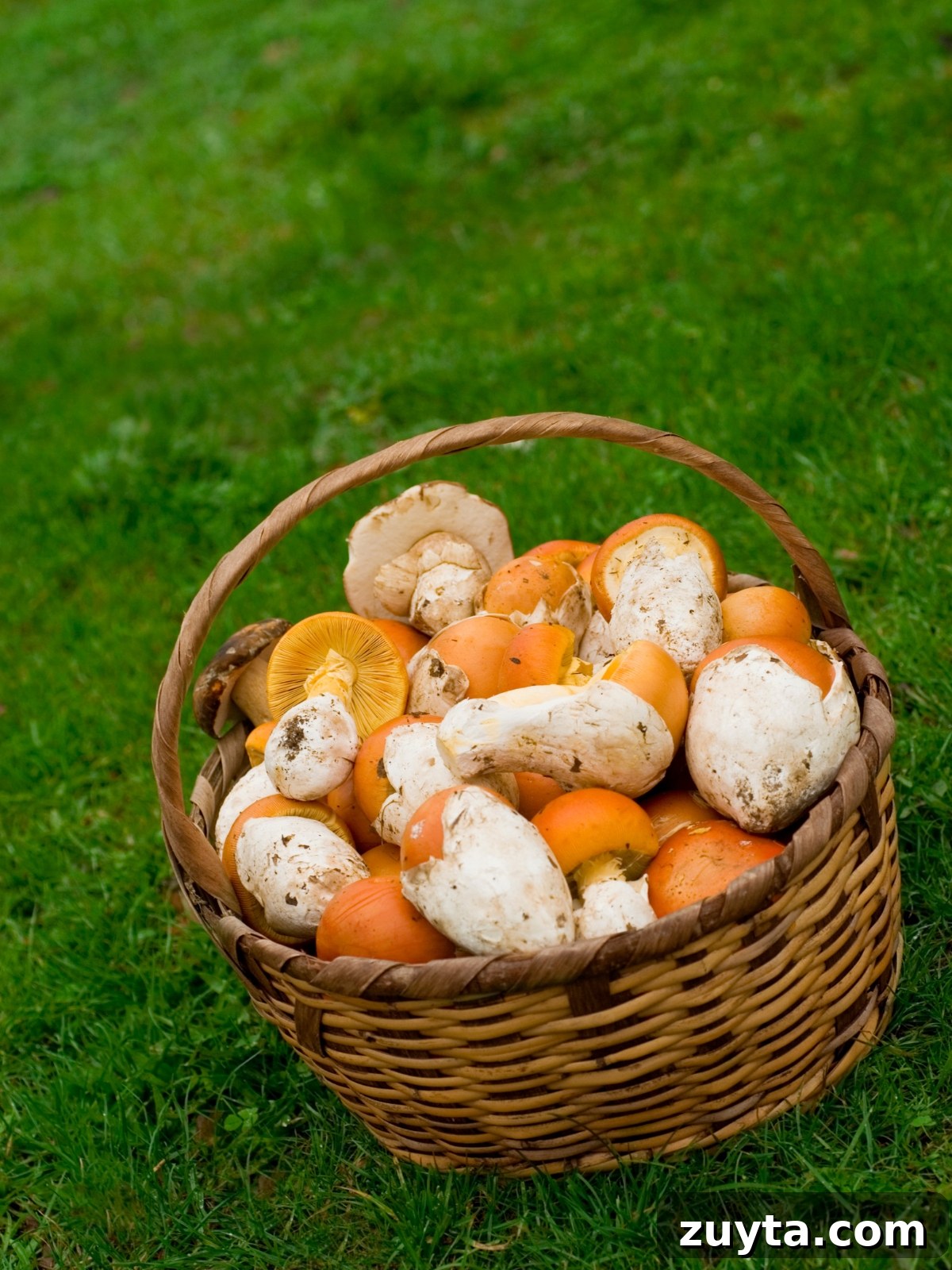
Some harvesters cut at the base while others extract the whole mushroom with the volva intact. Either approach is acceptable if done respectfully; many foragers prefer to remove the entire mushroom when scientific verification is required. Transport them in a wide basket so they remain intact, and store fresh specimens in a cool, ventilated place for no more than one to two days before use.
Cooking with Caesar’s Mushrooms
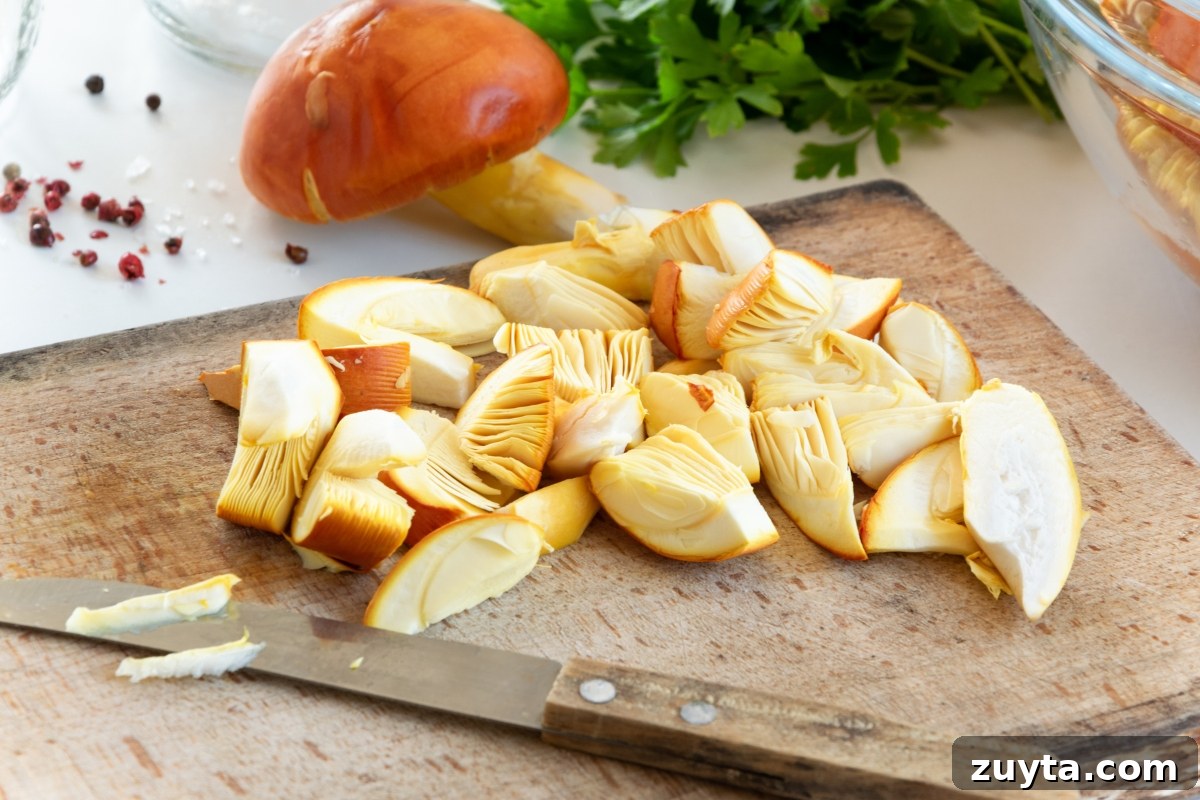
Caesar’s mushrooms have a rich, savory taste that shines with simple preparations. Sliced and sautéed in butter with garlic and pepper until golden, they make an excellent garnish for soups, pastas, risottos or sandwiches. A classic preparation is sautéing them a la mexicana with onions, peppers, tomatoes and cilantro. Drying concentrates their flavor for brothy soups; when dried and rehydrated they add depth to stocks and sauces.
Preserving Caesar’s Mushrooms
Three reliable preservation methods:
- Dehydrating: Dry thoroughly until crisp and store airtight. Dried Caesar’s mushrooms develop an intensified, concentrated flavor.
- Pickling: Steam briefly, then preserve in a pickling brine for either lacto-fermentation or quick vinegar pickles.
- Cook and Freeze: Cook the mushrooms (sauté or steam) and freeze in airtight containers. Avoid freezing raw mushrooms, as texture degrades on thawing.
Summer Mushroom Foraging
If you enjoy summer foraging, consider these other edible species to learn and hunt:
- Puffball Mushrooms
- Shaggy Mane Mushrooms
- Reishi Mushrooms
- Turkey Tail
- Dryad’s Saddle
- Saffron Milk Caps
- Chanterelle Mushrooms
- Pigs Ear Mushrooms
- Honey Mushrooms
- Matsutake
- Boletes
- Hedgehog Mushrooms
- Lobster Mushrooms
- Black Trumpet Mushrooms
- Chicken of the Woods
- Beefsteak Mushrooms
- Coral Mushrooms
- Wood Ear Mushrooms
- Agaricus Mushrooms