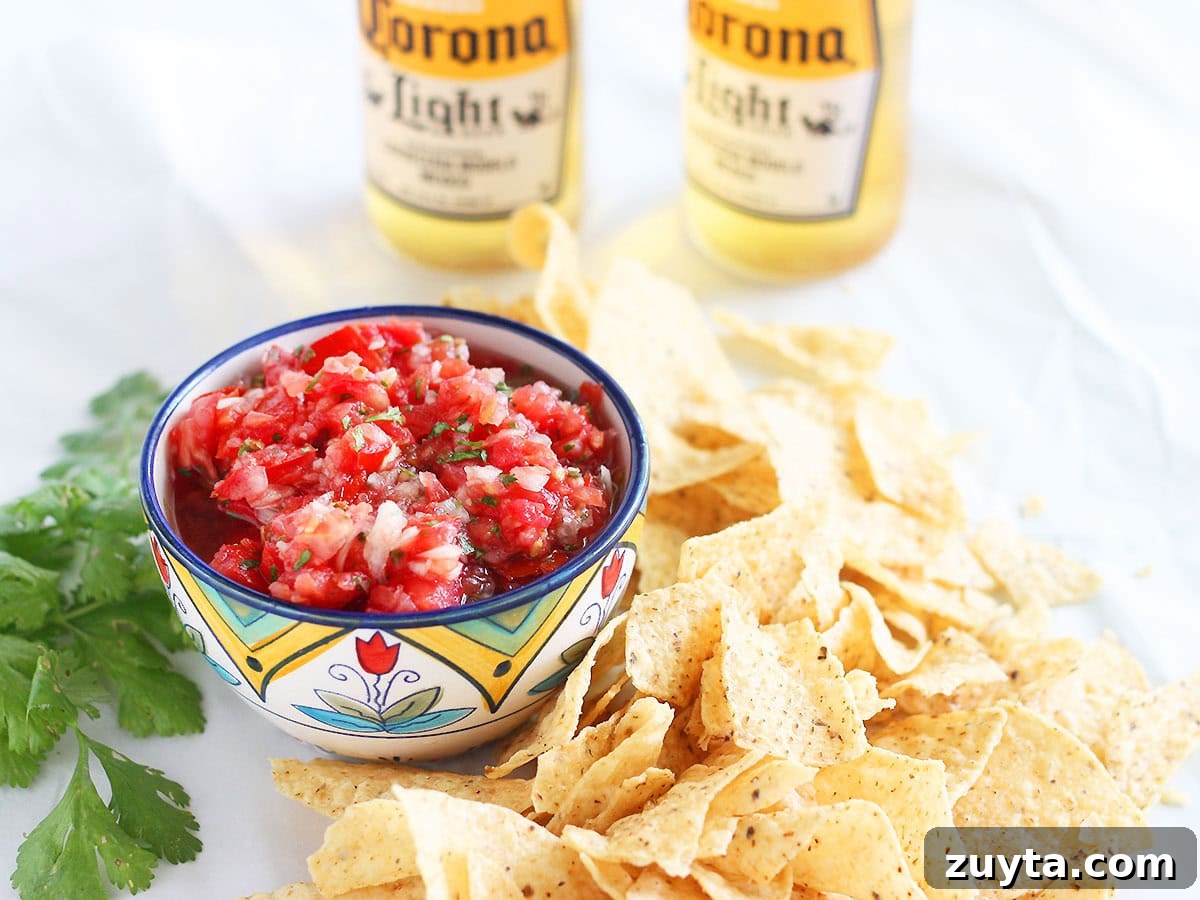
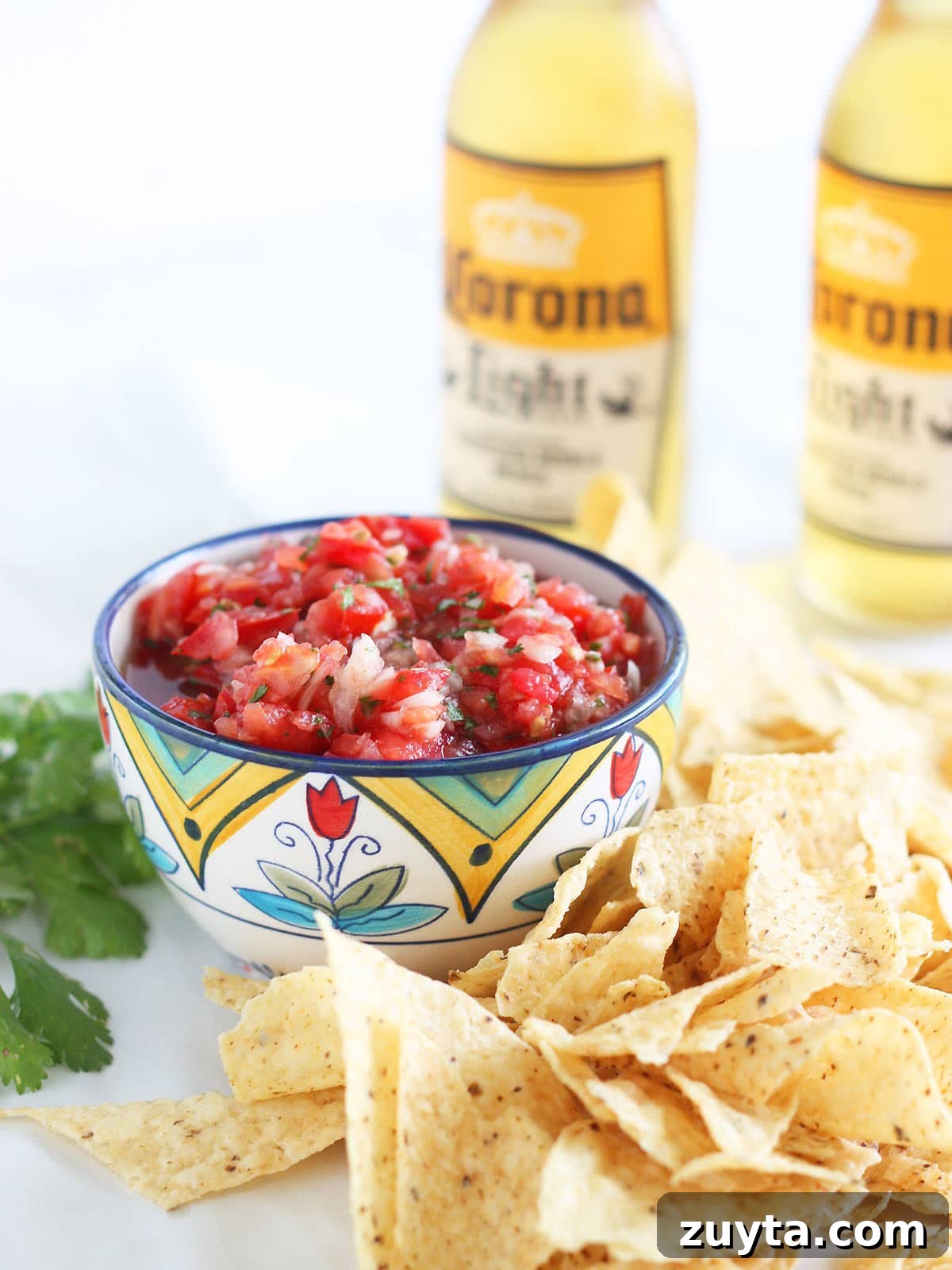
Fresh, bright, and simple to prepare, this Fresh Garden Salsa highlights ripe garden tomatoes, jalapeño, garlic, and cilantro for bold flavor in minutes. It’s an ideal companion for tortilla chips, tacos, grilled meats, or as a vibrant topping for salads and bowls.
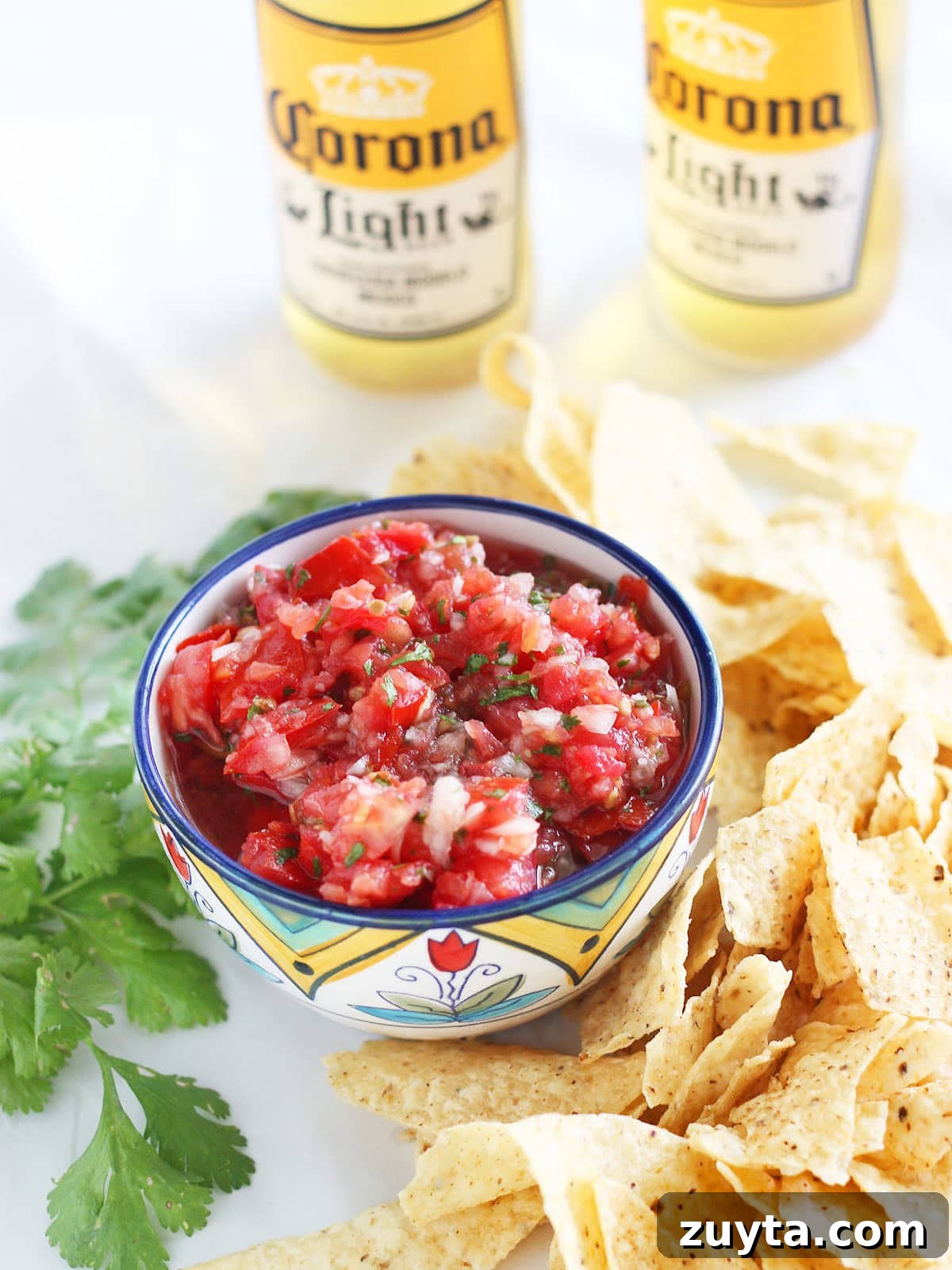
There’s something irresistible about sun-warmed tomatoes straight from the garden. Homegrown tomatoes bring a sweetness and depth that store-bought jars simply can’t match. This salsa is all about fresh ingredients and minimal fuss—no lengthy cooking, just chop, pulse, season, and enjoy. Use it for parties, weeknight dinners, or whenever you want a healthy, flavorful snack.
Serve this garden salsa with your favorite tortilla chips, spoon it onto tacos, or use it to brighten grilled chicken, fish, or roasted vegetables. It also makes a lovely garnish for hearty dishes like cowboy chili or a tater‑tot breakfast casserole.
Ingredients you will need
This recipe keeps things straightforward so the fresh flavors can shine. Prepare the following:
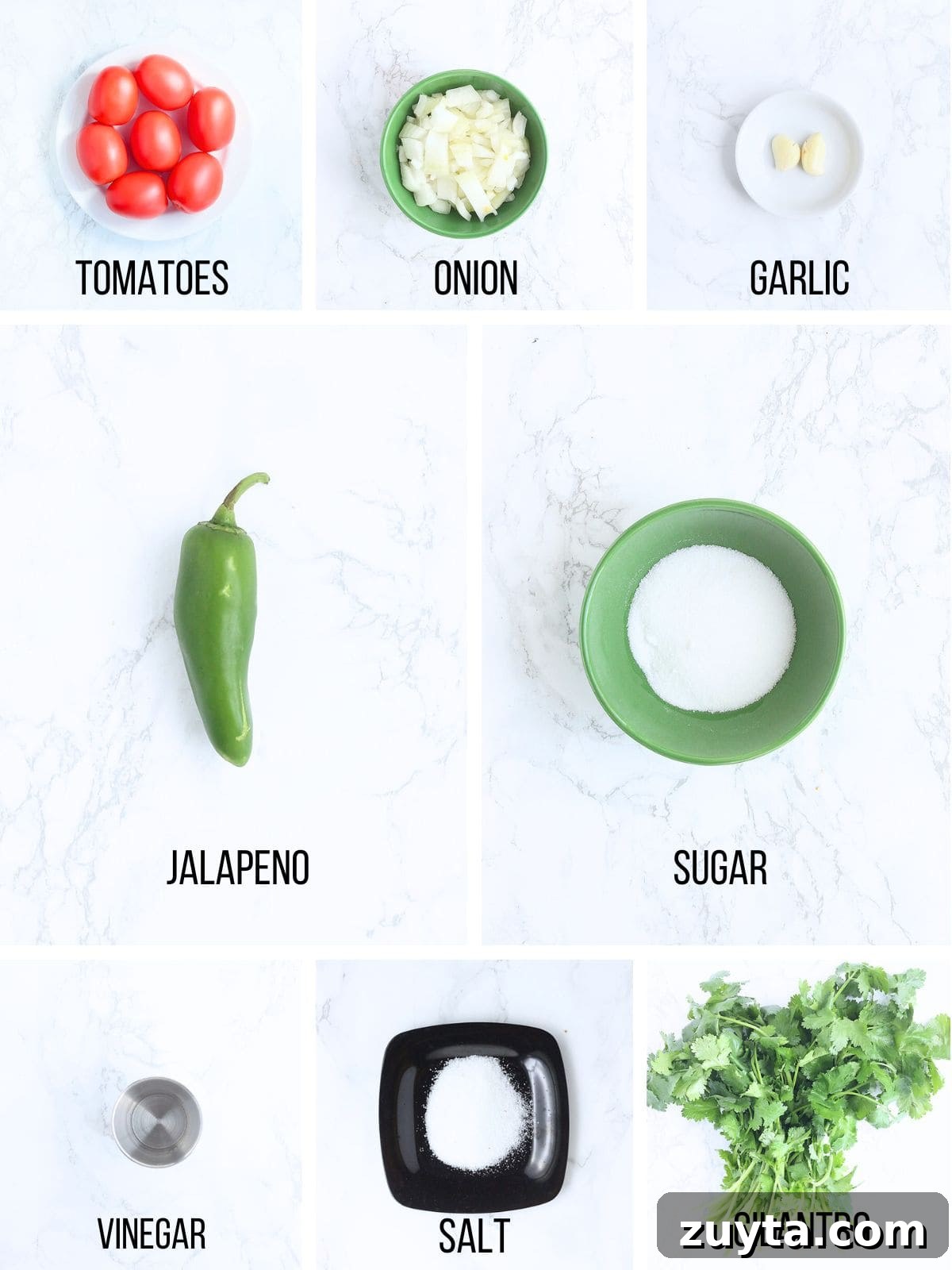
- 7 small to medium ripe tomatoes, quartered – Roma or plum tomatoes are ideal because they’re firmer and less watery, but any ripe tomatoes will work.
- ½ cup white or yellow onion (or half of a medium onion), chopped
- 2 garlic cloves, peeled
- 1 jalapeño pepper, halved (remove seeds and ribs for milder heat)
- ¼ teaspoon sugar
- 1 teaspoon white vinegar (or apple cider vinegar or fresh lime juice for a different brightness)
- 1 teaspoon salt (plus more to taste)
- ¼ cup fresh cilantro, loosely packed
How to make garden salsa
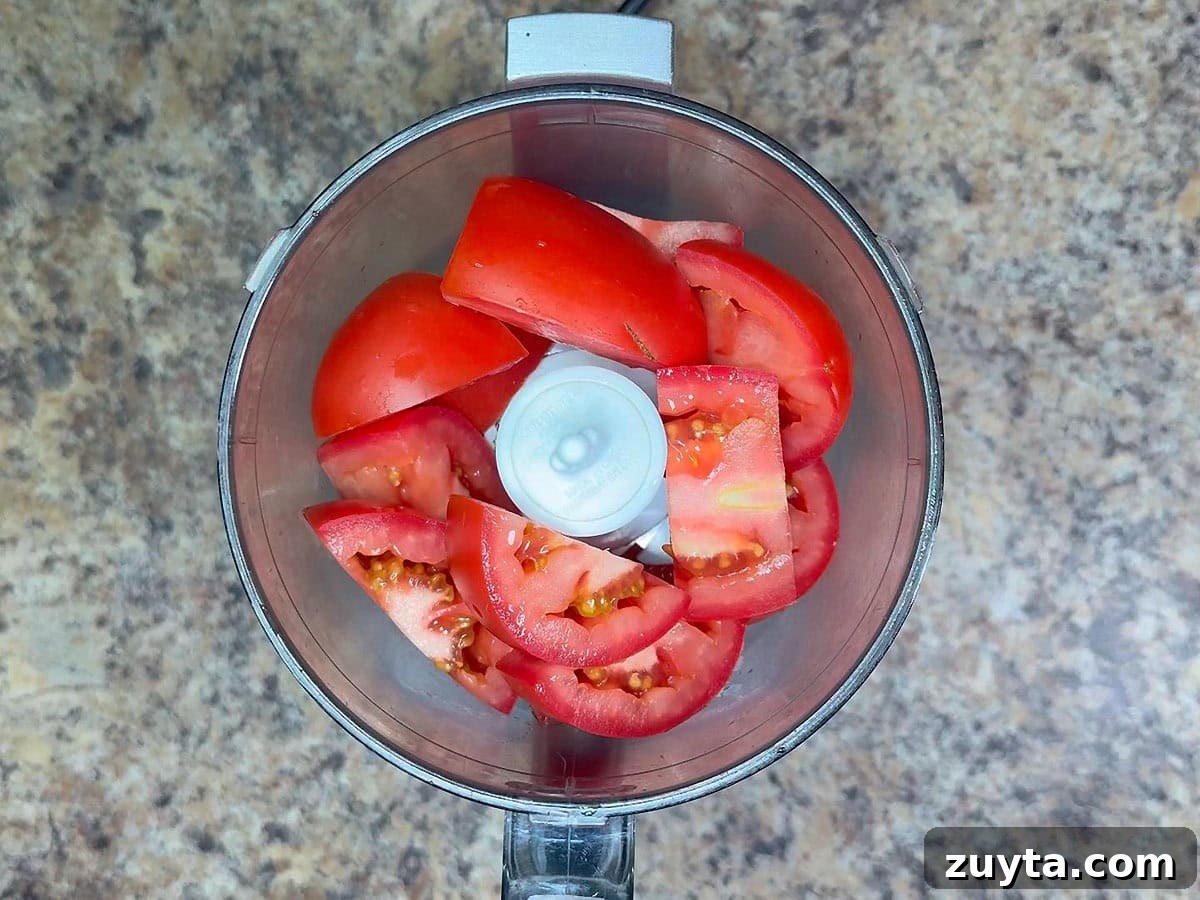
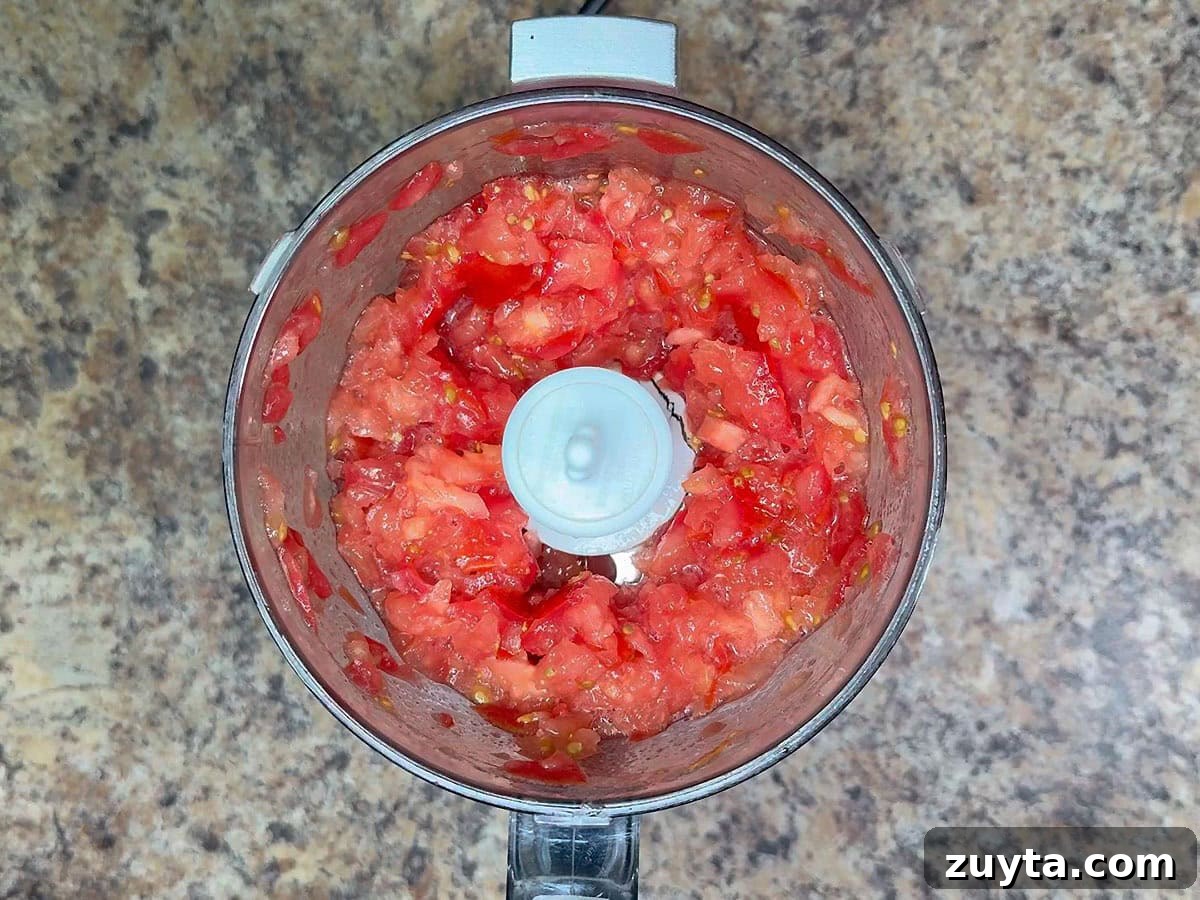
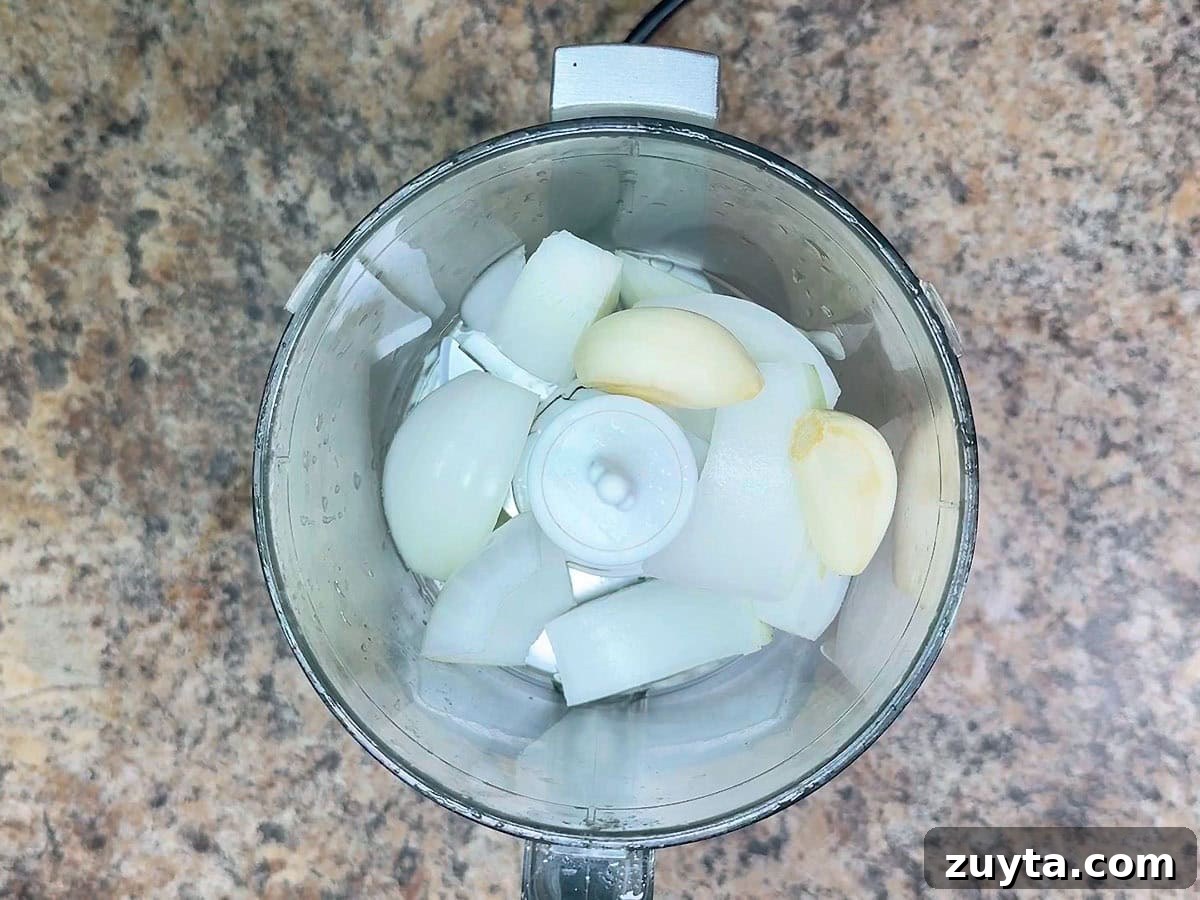
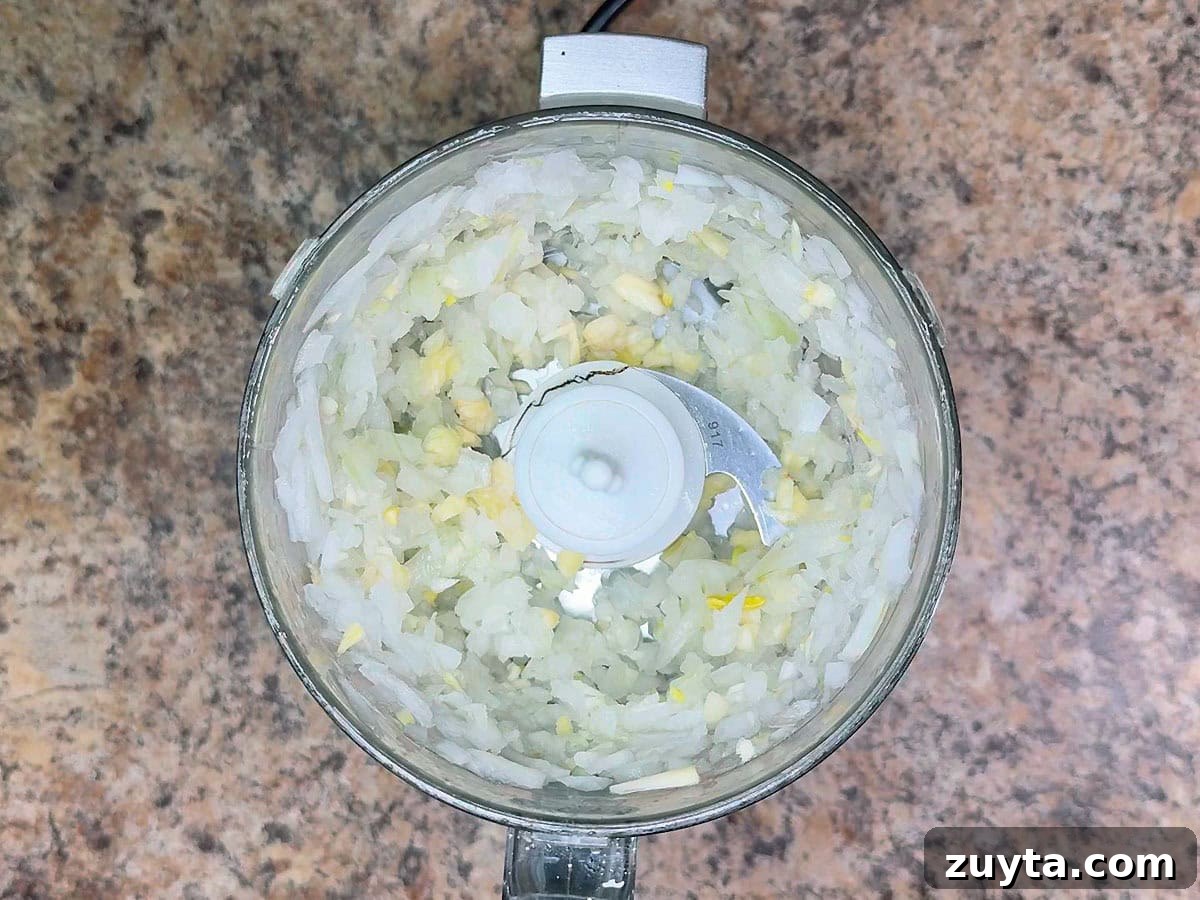
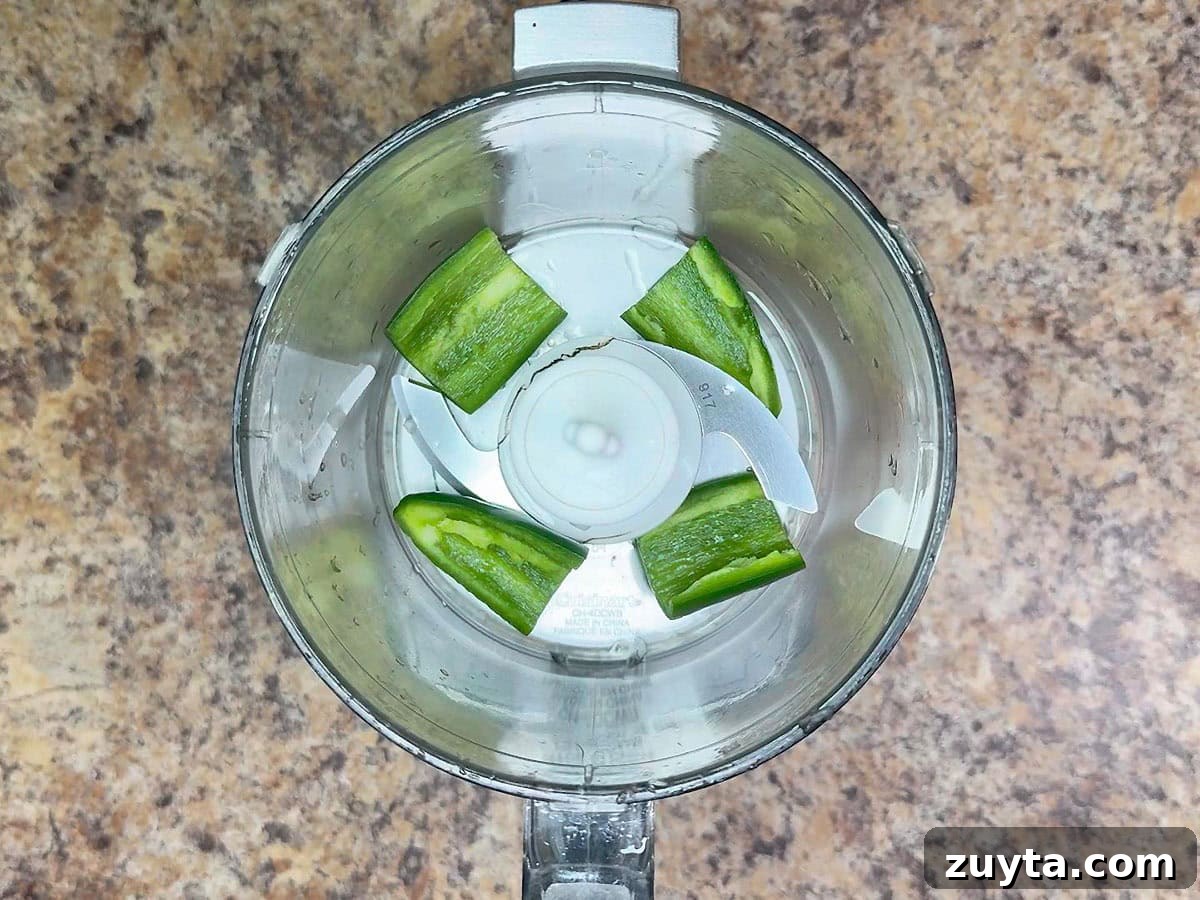
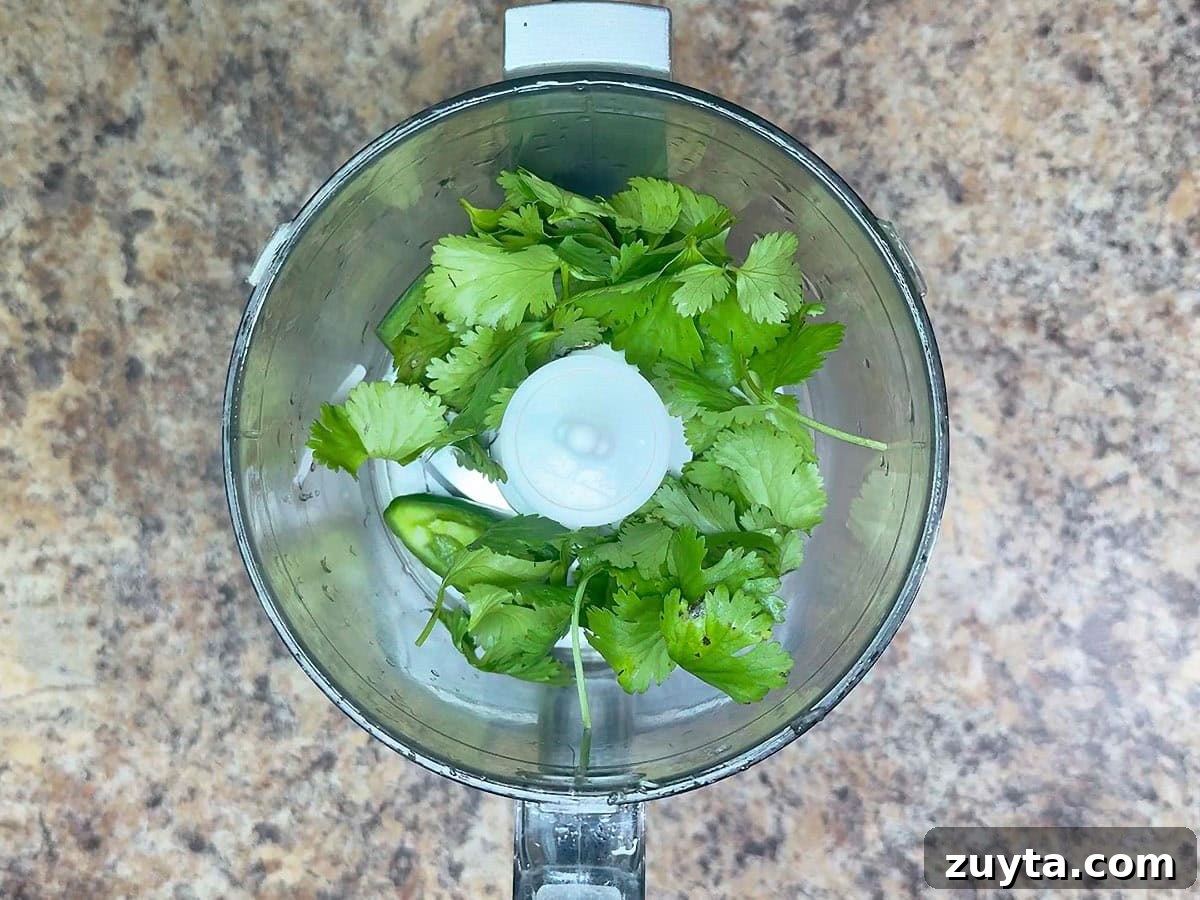
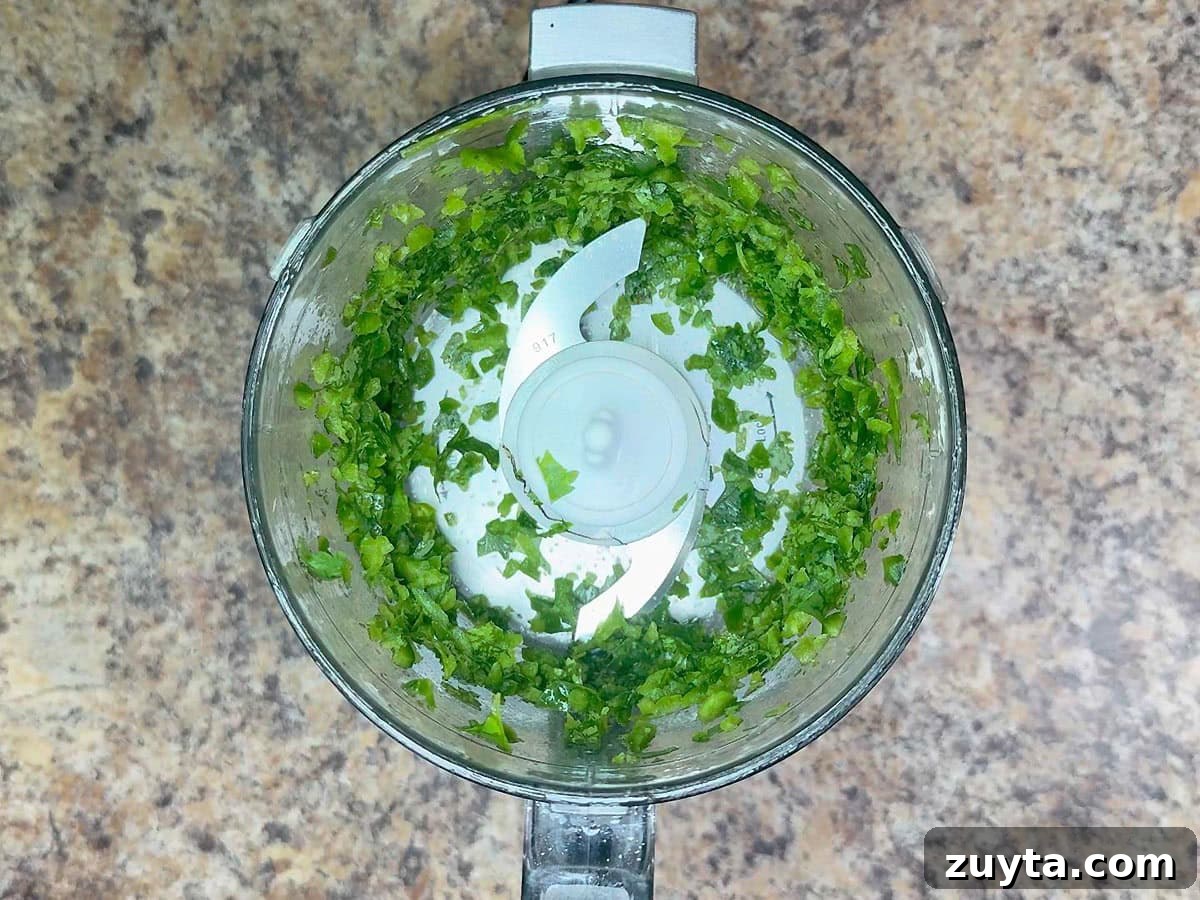
- If you have a large food processor, add the quartered tomatoes, onion, garlic, jalapeño, cilantro, sugar, vinegar, and salt to the bowl. Pulse until you reach your preferred texture—short pulses for chunky salsa, longer for smoother.
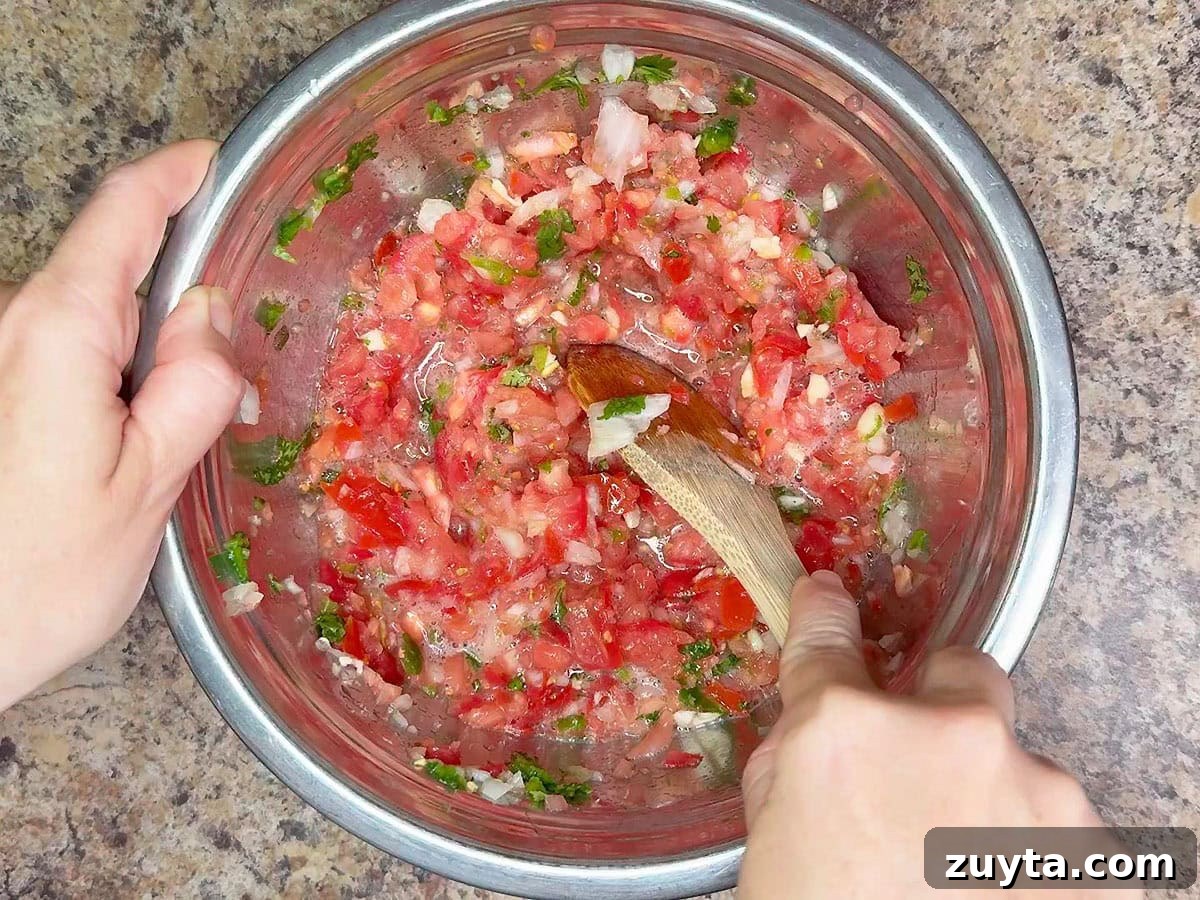
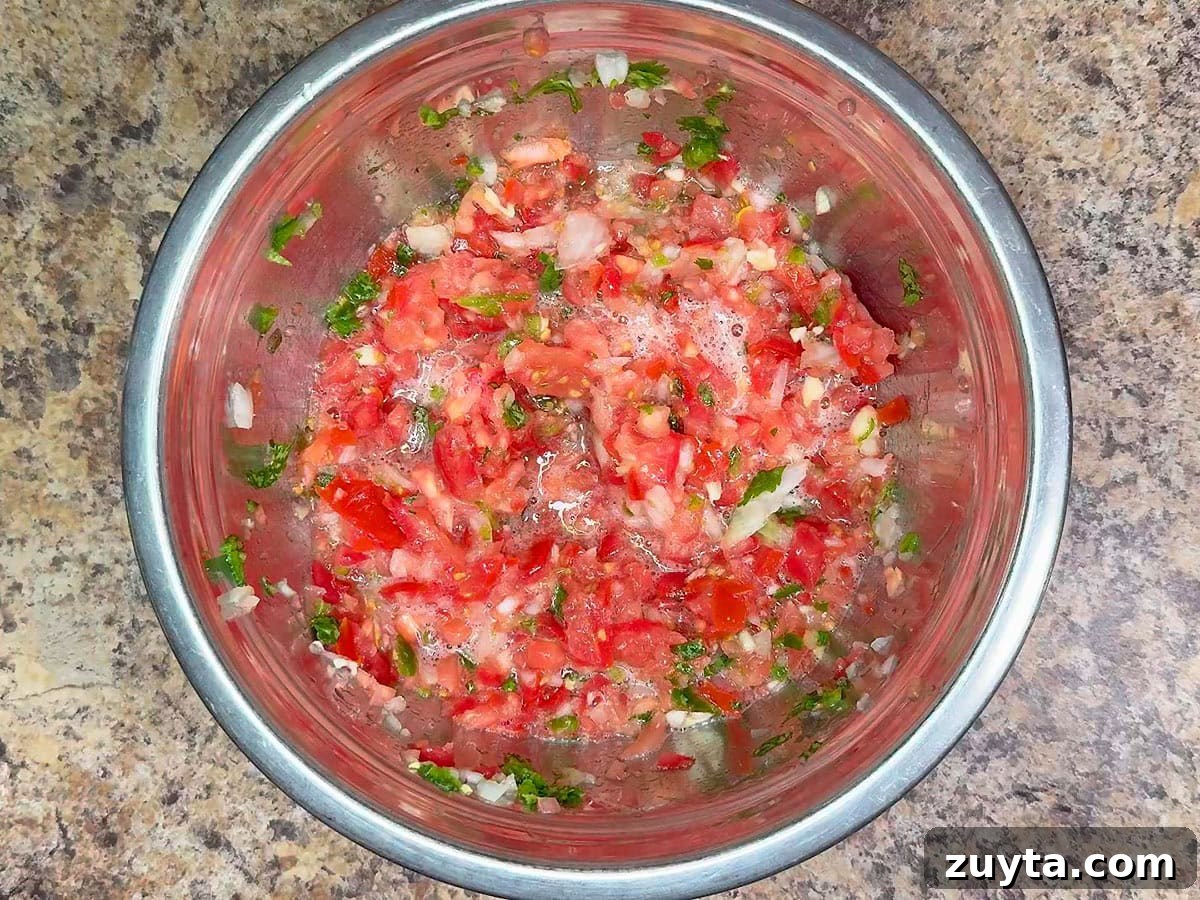
- If you’re using a mini chopper or cutting by hand, chop the vegetables in batches and combine them in a mixing bowl with the sugar, vinegar, and salt. Stir to combine.
- Taste and adjust seasoning. Add a pinch more salt or a squeeze of lime if you want more brightness. For more heat, add extra jalapeño or a serrano pepper.
- Cover and refrigerate for at least 30 minutes to let the flavors meld. You can serve immediately if needed, but chilling improves the balance.
Storage and canning instructions
Storage. Store salsa in an airtight container in the refrigerator for up to 4 days. Keep it chilled and use a clean spoon each time to preserve freshness.
Canning. If you plan to preserve salsa, follow proper water-bath canning procedures. Wash jars, lids, and bands in hot soapy water and rinse well. Keep jars hot in simmering water until ready to fill. Warm lids in hot (not boiling) water to soften the seal compound.
Use a funnel to ladle hot salsa into hot jars, leaving ½ inch headspace. Remove air bubbles with a plastic spatula or chopstick, wipe rims clean, apply lids, and screw bands fingertip-tight. Process jars in a boiling water canner, ensuring they are covered by at least 1–2 inches of water. Once the water returns to a full boil, process for 15 minutes (adjust processing time for high elevations according to standard canning guidelines). After processing, turn off heat and let jars sit in the hot water for 5 minutes before removing.
Lift jars carefully and place upright on a towel or rack. Let them cool undisturbed for 12–24 hours. Check seals: the center of each lid should not flex up and down. Remove bands, label with the date, and store sealed jars in a cool, dark place for up to one year.
Tips, variations, and troubleshooting
- Tomato choice: Roma or plum tomatoes are less watery and work well for salsa; very juicy varieties may produce a thinner salsa.
- Control heat: Remove seeds and membranes in the jalapeño for milder salsa or add a serrano for more kick. Taste as you go.
- Prevent watery salsa: If the mixture is too thin, let it drain in a fine-mesh strainer for 5–10 minutes or pulse less in the processor to avoid releasing excess liquid.
- Make ahead: Salsa improves after resting for 30 minutes to a few hours, so make it ahead for better flavor.
- Freezing: Freezing is possible but may change texture—strain excess liquid before freezing and again after thawing; use within about 3 months.
Frequently asked questions
Can I use canned tomatoes instead of fresh? You can, though the flavor and texture will differ. If using canned tomatoes, choose whole peeled or fire-roasted and drain well before blending.
How spicy is this salsa? With one jalapeño it’s typically mild to medium. Omit the pepper for a mild version or add more peppers for extra heat.
Do I have to use white vinegar? White vinegar adds brightness and helps with preservation. Apple cider vinegar or fresh lime juice can be used as substitutes, but maintain acidity if you intend to can.
You might also like
- Homemade Guacamole
- Green Tomato Chow Chow
- Cilantro and Black Bean Salsa (Redneck Caviar)
Tried this recipe? Let me know!
If you make this garden fresh salsa, please leave a rating or comment to share how it turned out. Tag @CookingBride on social media or use the hashtag #CookingBride to show your version.