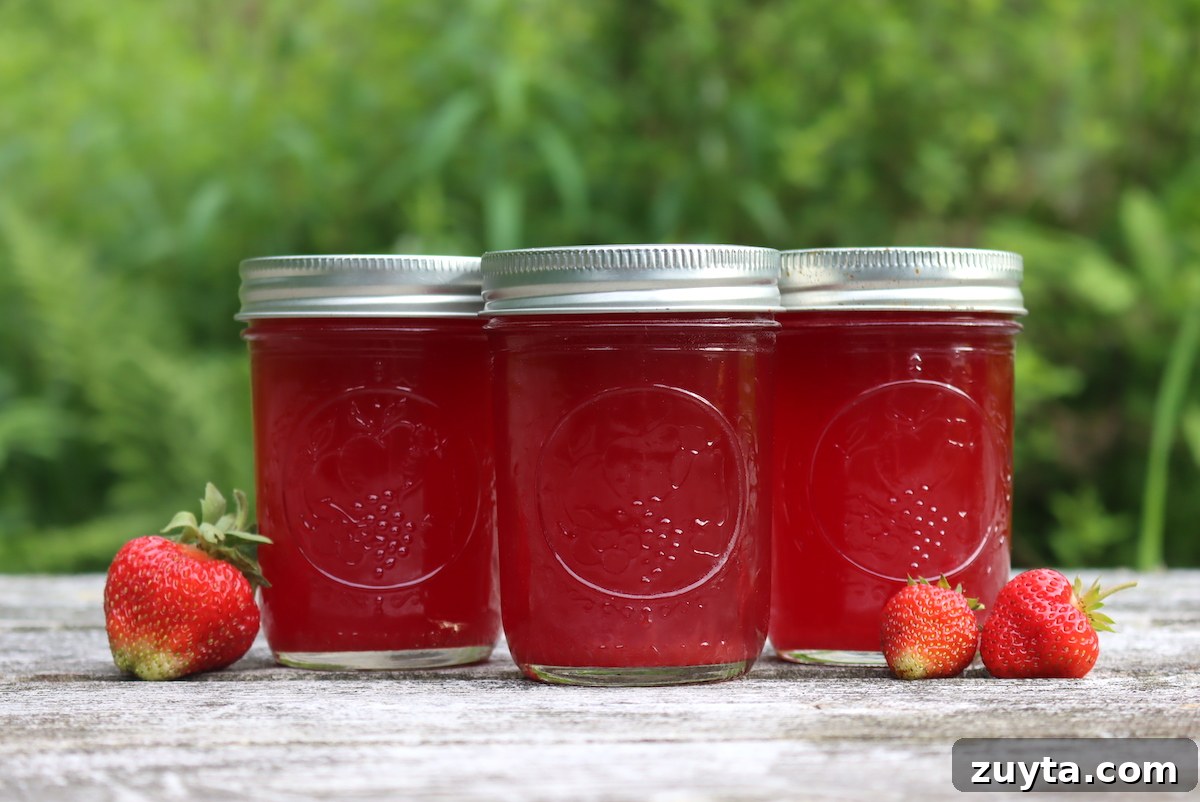
Canning berry juice is a straightforward way to capture bright summer flavor in jars, and it’s ideal for preserving a large harvest without filling your freezer.
In mid-summer, berries often ripen faster than you can use them. Freezing is an option, but freezer space is limited. Canning juice lets you preserve fruit flavor and nutrients in a compact, shelf-stable form that’s quick to prepare and easy to store.
This tested method works for a wide variety of soft summer fruits, including:
- Blackberries
- Blueberries
- Currants
- Dewberries
- Gooseberries
- Huckleberries
- Loganberries
- Mulberries
- Raspberries
- Strawberries
A note about elderberries: they aren’t acidic enough for safe canning of juice unless you add acidity. For elderberry juice, add 1/2 tablespoon bottled lemon juice per cup of juice (or 1 tablespoon per pint). Alternatively, add 1 teaspoon citric acid to every 8 cups of juice (about 1/8 teaspoon per pint).
Making Berry Juice
You can use a countertop juicer, but stovetop extraction or a steam juicer often produces richer flavor. A steam juicer is efficient for larger batches and avoids activating pectin, which helps prevent accidental gelling when working with high-pectin fruits.
Begin by washing and preparing the fruit. Hull strawberries, remove stems, and discard any damaged bits. Place the fruit in a saucepan with a small amount of water—generally about 1/2 cup of water per quart of berries when cooking on the stovetop.
Bring the fruit and water to a simmer and cook briefly, mashing occasionally with a potato masher until the berries have released their juice and fallen apart. This usually takes 5 to 10 minutes. Be careful with high-pectin fruits such as currants and gooseberries: use more water and keep cook time on the shorter side (about 5 minutes) while mashing vigorously, to avoid making jam.
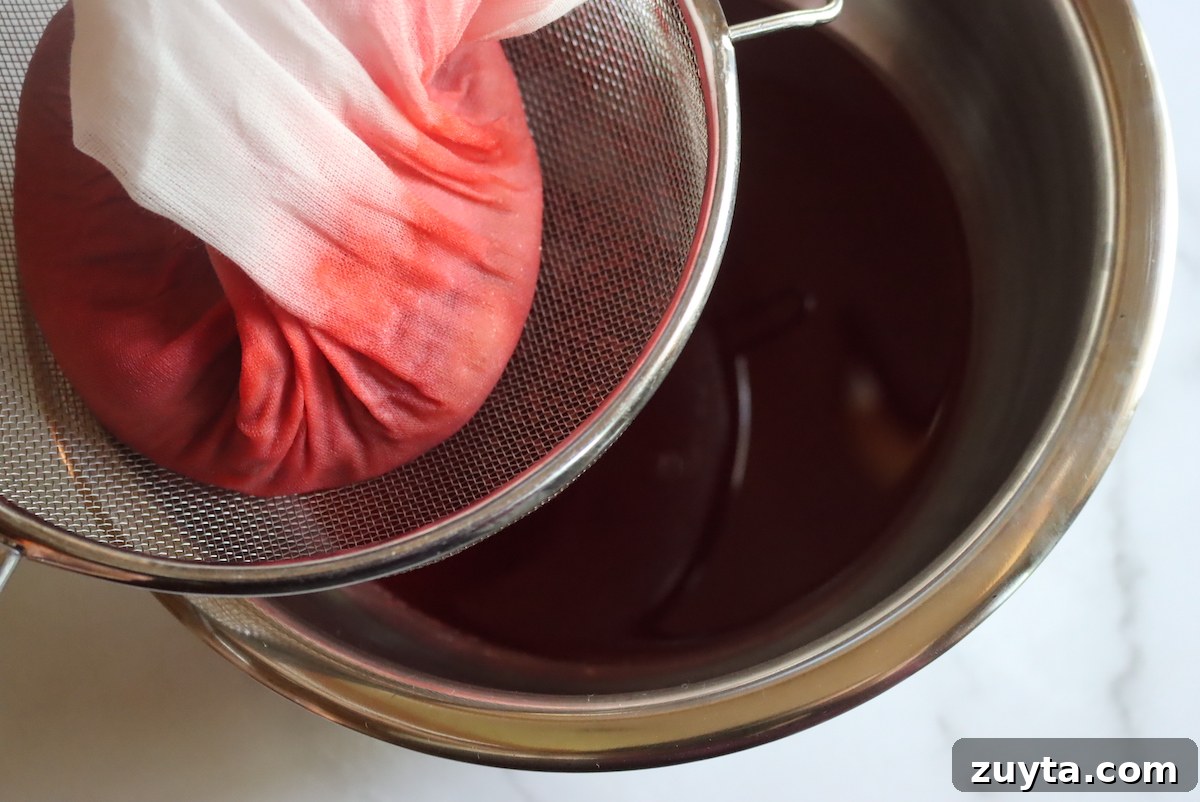
Strain the cooked fruit through a jelly bag or a fine-mesh strainer lined with two layers of dampened cheesecloth. If you use a steam juicer, straining isn’t necessary—the juice collects ready-made in the collection container.
A steam juicer is especially helpful for larger volumes and for high-pectin fruits because it minimizes pectin activation and reduces cleanup. For small quantities or when you prefer a raw juice, a countertop juicer will work, but for canning the cooked or steam-extracted juice is preferred.
Berry Juice Yield
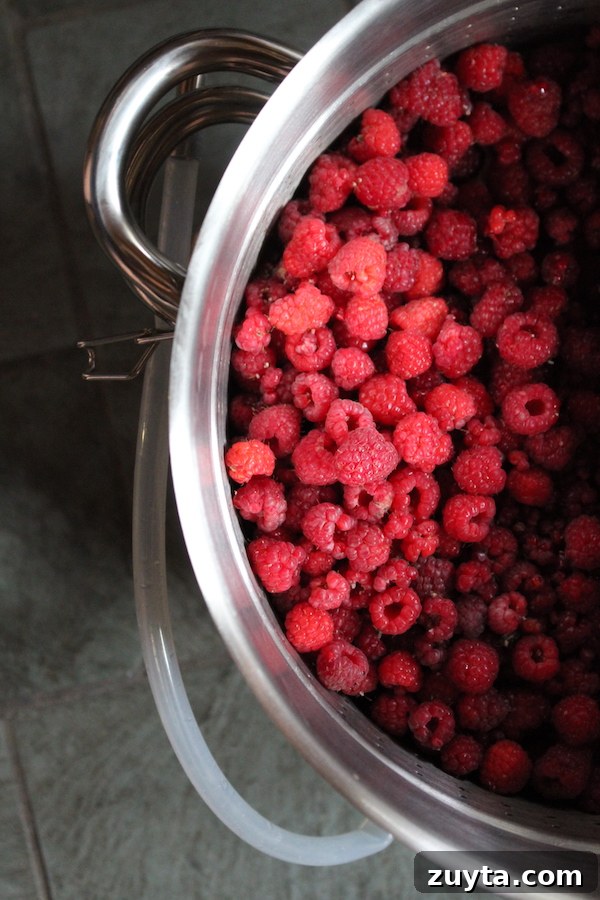
Yield varies by fruit, growing conditions, and extraction method. As a guideline, stovetop extraction typically requires 2 to 4 cups of most berries (plus about 1/2 cup water) to yield one cup of juice. A steam juicer usually gives a slightly better yield with less fuss. Freezing fruit before juicing can also increase yield because ice crystals break down cell walls.
Approximate amounts of fruit needed to make one cup of juice (with about 1/2 cup water for stovetop extraction):
- Blackberries ~ 2 1/2 cups
- Blueberries ~ 2 to 3 cups (variable)
- Elderberries ~ 1 pound stemmed (add acid for canning)
- Raspberries ~ 3 to 3 1/2 cups
- Strawberries ~ 3 1/4 to 3 1/2 cups chopped (from 1 quart fresh)
- Currants (red or black) ~ 1 pound stemmed
These are general estimates; expect variation depending on ripeness and growing conditions.
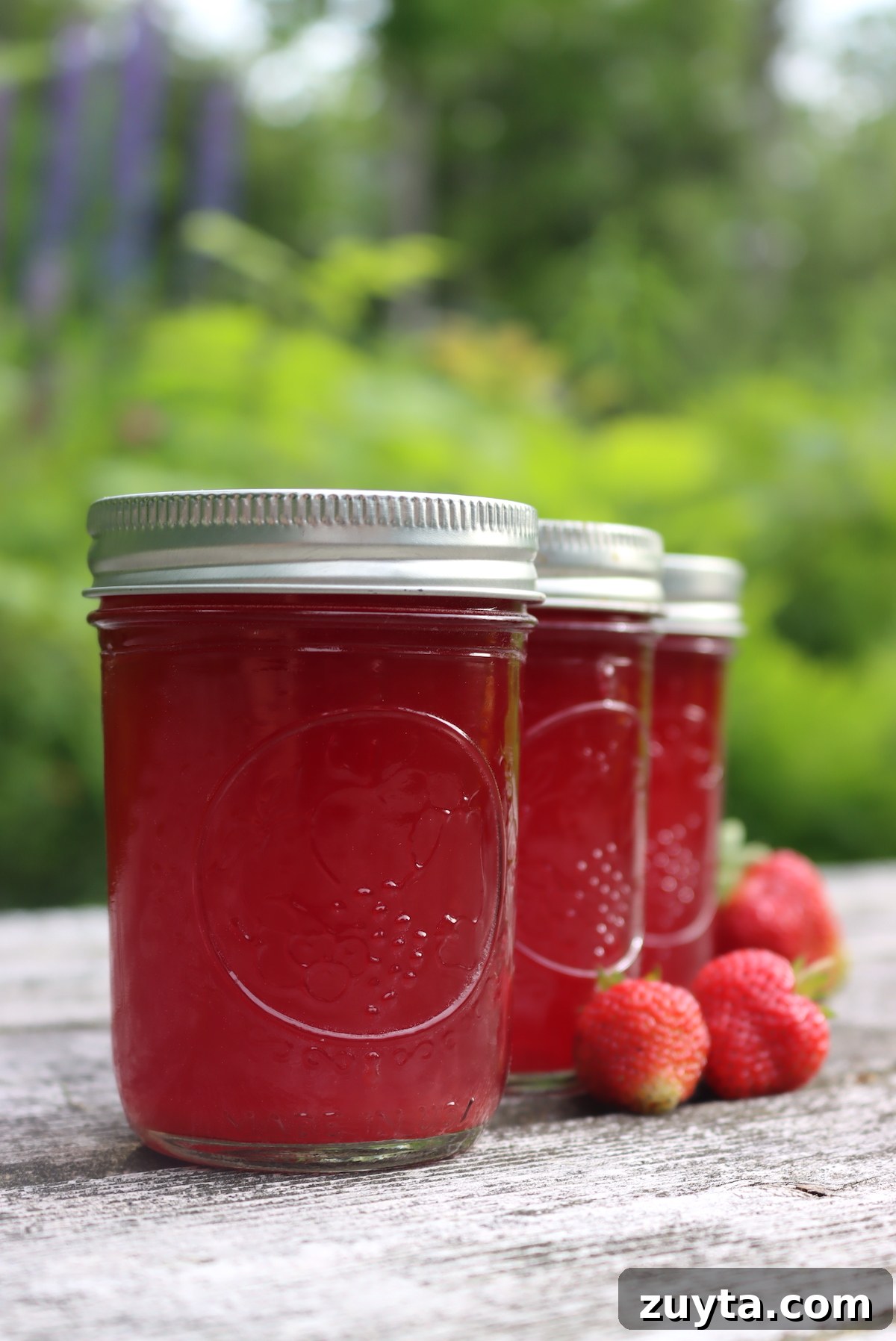
Canning Berry Juice
Once the juice is strained, you’re ready to can. If you’re new to canning, review water-bath canning basics before you begin and follow safe canning practices.
Sugar is optional. The common guideline is 1 to 2 cups sugar per 16 cups of juice (about 1/4 to 1/2 cup per quart, or 1 to 2 tablespoons per cup). Sugar affects sweetness but is not required for safe preservation. Consider adding sugar only for very tart fruits like gooseberries, currants, or exceptionally tart raspberries.
Prepare a water bath canner, jars, lids, and rings. For a hot pack, keep the canner at a gentle simmer (around 180°F). Heat the strained juice to about 190°F over medium-high heat—do not boil. Maintain 190°F for 5 minutes, adding sugar if desired and stirring until dissolved.
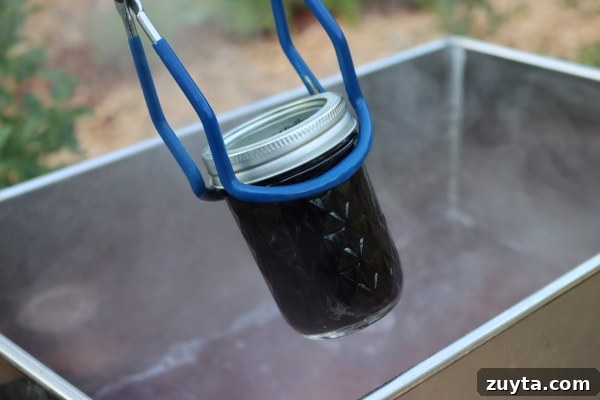
Ladle the hot juice into sterilized jars, leaving 1/4 inch headspace. Wipe jar rims if needed, apply lids and screw rings finger-tight. Process jars in a water bath canner for 15 minutes for half-pints, pints, and quarts. At elevations above 6,000 feet, increase processing time to 20 minutes.
When processing time is complete, turn off heat and let jars sit in the water for about 5 minutes to reduce siphoning, then remove jars with a lifter and set them to cool on a towel. After 24 hours check seals. Any jars that didn’t seal should be refrigerated and used promptly. Properly sealed jars will keep at peak quality for 18 months or more; refrigerate after opening.
Using Berry Pulp
Leftover pulp often still has plenty of flavor. If you didn’t use a steam juicer you can do a second extraction by adding a little water, simmering again, and re-straining. Alternatively, use the pulp in recipes:
- Mix leftover pulp with fresh fruit to make jam—replace up to half the fresh fruit with pulp in most recipes.
- Cook pulp down with sugar and spices to make fruit butter.
- Blend pulp into smoothies, sauces, or baked goods for added flavor and fiber.
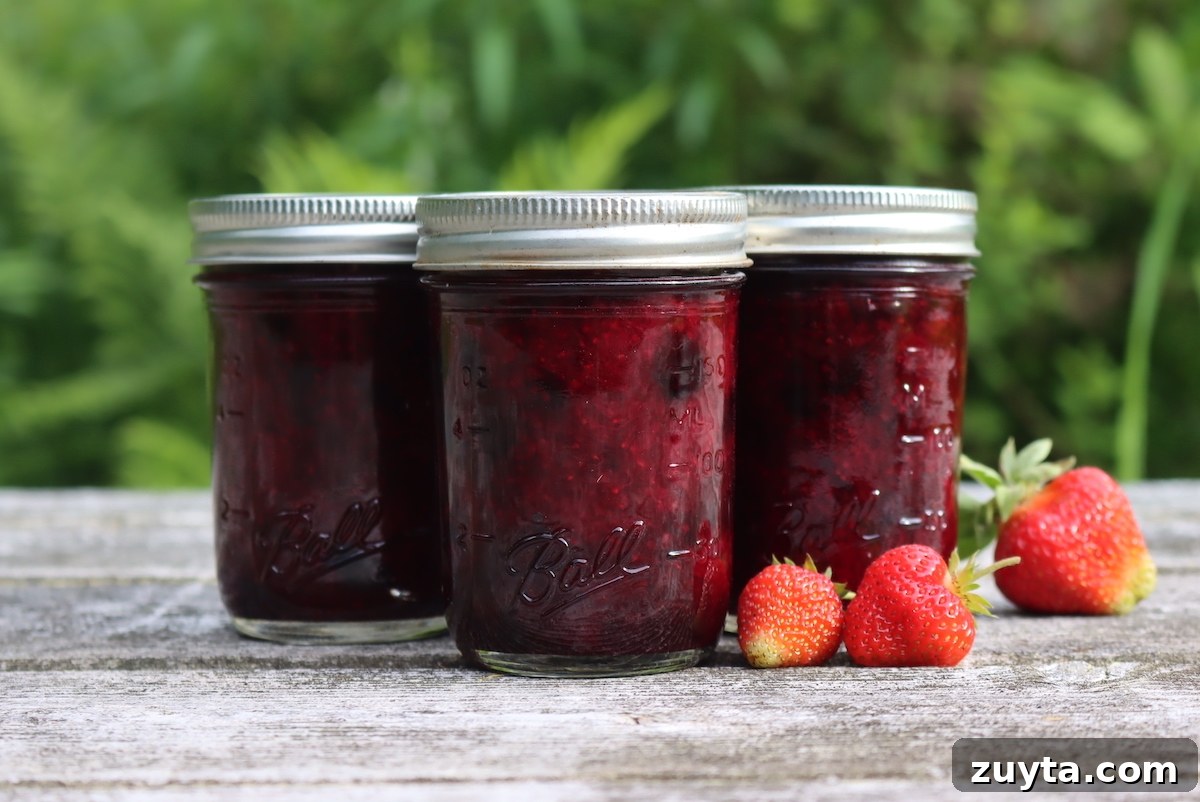
If you’d like more targeted recipes, you can search for specific guides on canning blueberry juice or canning strawberry juice. Berry juices also make excellent lemonade concentrates and flavored syrups when mixed with lemon and sugar to taste.
Ways to Preserve Berries
In addition to canning juice, common preservation methods include:
- Canning whole or halved berries in syrup
- Freezing fresh berries for later use
- Making jams, jellies, and fruit butters
- Drying berries for snacks and baking
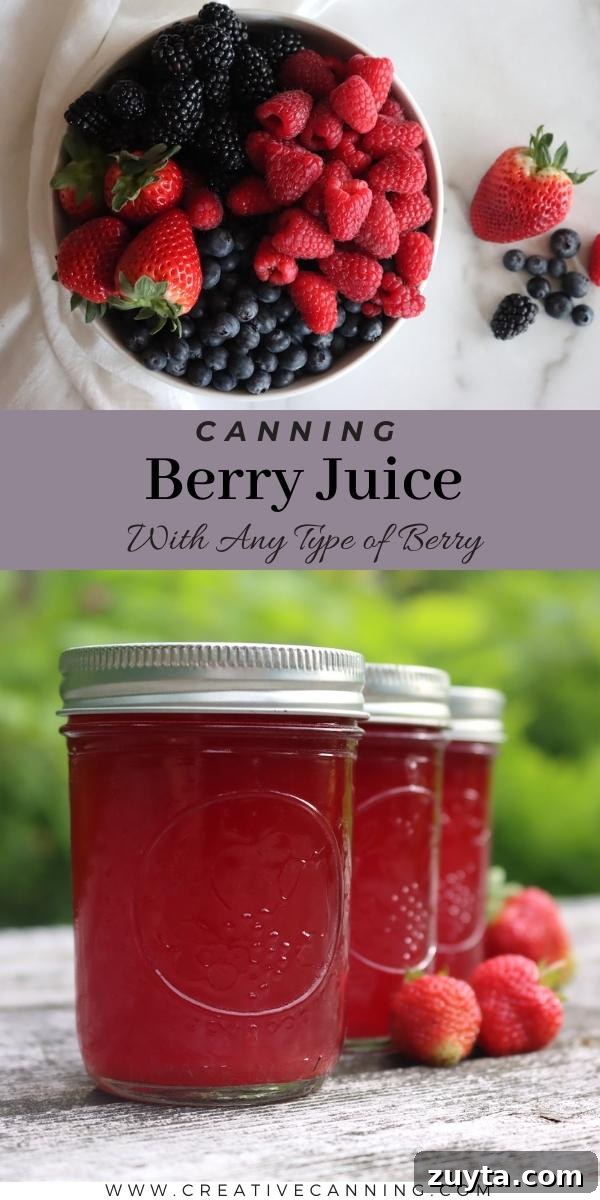
Canning berry juice is a flexible, low-waste way to enjoy summer fruit year-round. With a little planning and basic canning equipment, you can turn a bumper crop into a pantry full of bright, lightly flavored juice ready for drinks, syrups, and recipes.