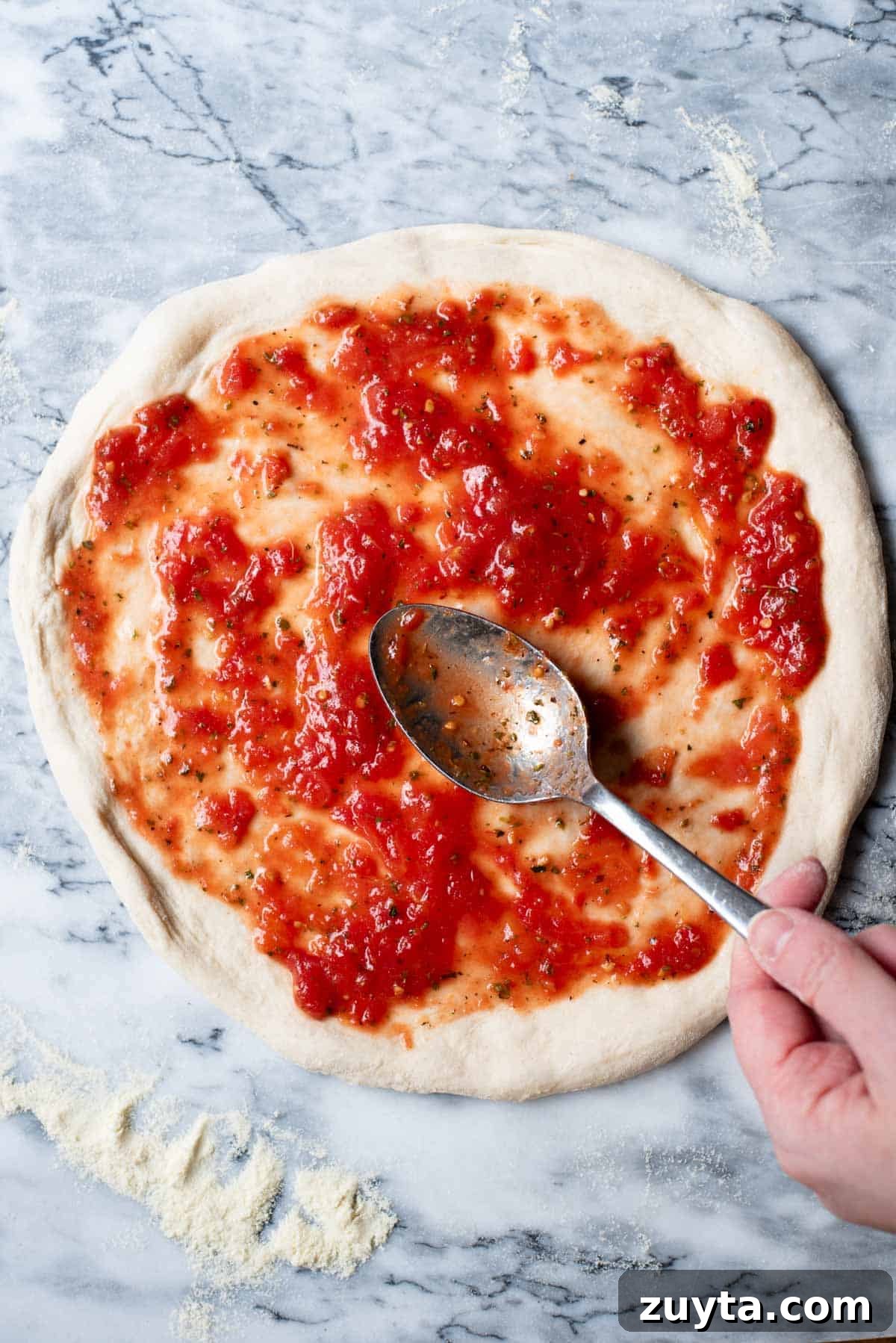
This is our updated, easy Homemade Pizza Dough recipe. It’s simple to prepare and uses an overnight cold ferment for improved flavour and a light, airy texture. The dough is forgiving to handle and makes delicious pizzas whether you bake on a stone, steel or in a tray.
We’ve been making pizza for years and constantly refine our method. The original recipe from 2017 no longer matched how we make pizza today, so this version replaces it with improvements based on what works best in a home kitchen.
This dough is formulated at 65% hydration — a balance that gives an airy crumb while remaining manageable for most home bakers.
If you make pizza regularly, a pizza stone or steel and a pizza peel are worthwhile investments. They speed up the process and help you achieve a crisp base.
There’s a lot of practical information here. Use the table below to jump to the section you need or scroll straight to the full recipe.
Table of Contents
- The new and improved dough vs the original
- Notes on hydration
- Ingredient notes
- Visual walk-through
- Recipe tips
- FAQs
- Pizza recipes to try
- Full Recipe
The new and improved dough vs the original
- Minimal yeast – This recipe uses just 1 g (¼ teaspoon) instant yeast for a lighter, more open texture.
- Overnight cold ferment – A long, slow fermentation in the fridge develops flavour and creates a delicate, airy crumb.
- No rolling pin – The dough is shaped by stretching and gravity rather than rolling, which preserves the air in the crust.
Notes on hydration
Hydration refers to the ratio of water to flour in the dough. Higher hydration yields a lighter, more open crumb but makes the dough softer and more challenging to shape.
Above about 65% hydration, shaping becomes quicker and requires more experience. For a dependable, easy-to-handle pizza dough that still produces a light crust, 65% is an excellent compromise.
Ingredient notes
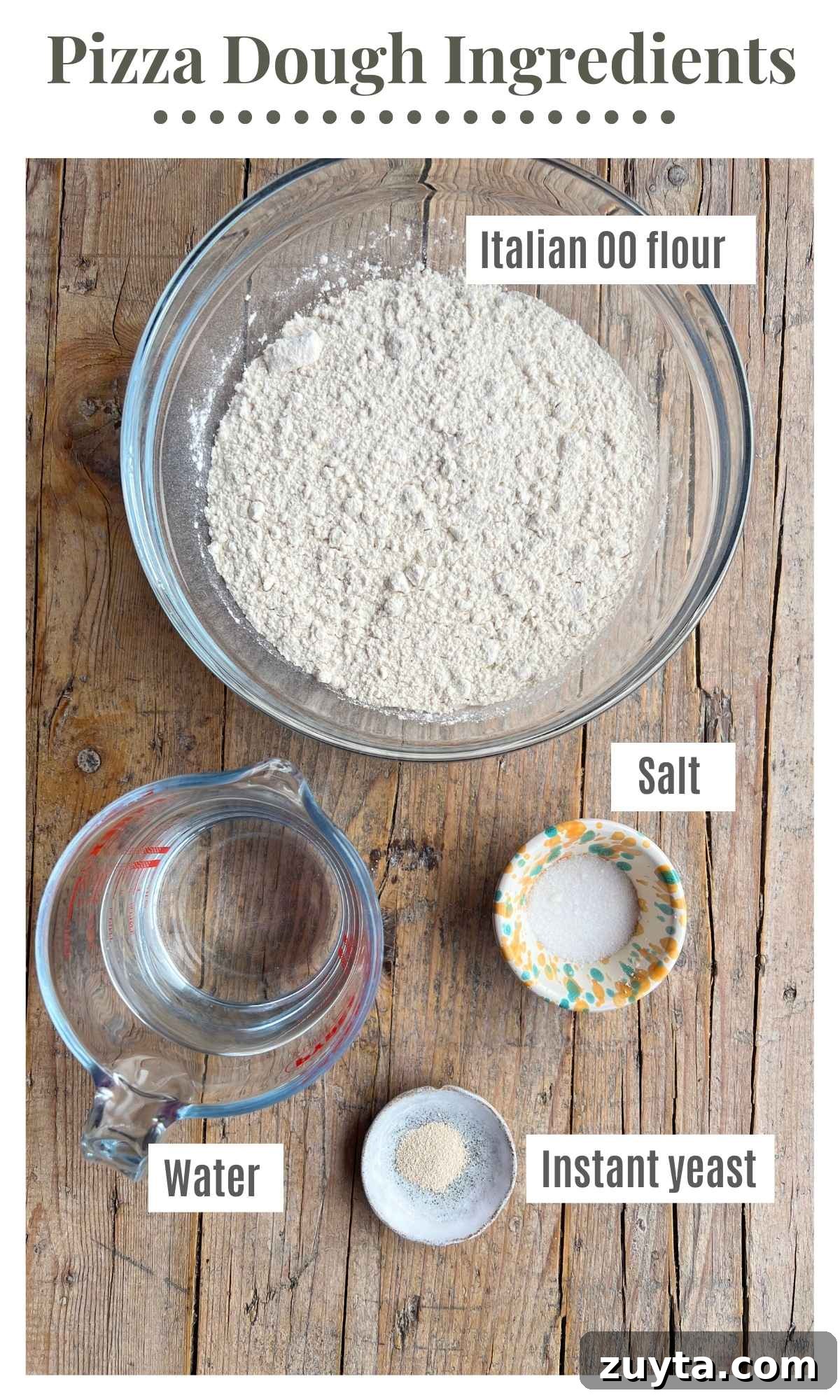
- Flour – In Italy, Tipo 0 and Tipo 00 are commonly used for pizza. Choose a flour with at least 12% protein to get good structure. Tipo 00 is widely available and works very well for this dough.
- Instant yeast – This can be mixed straight into the flour. If you only have active dry yeast, dissolve it in a little water first to activate it.
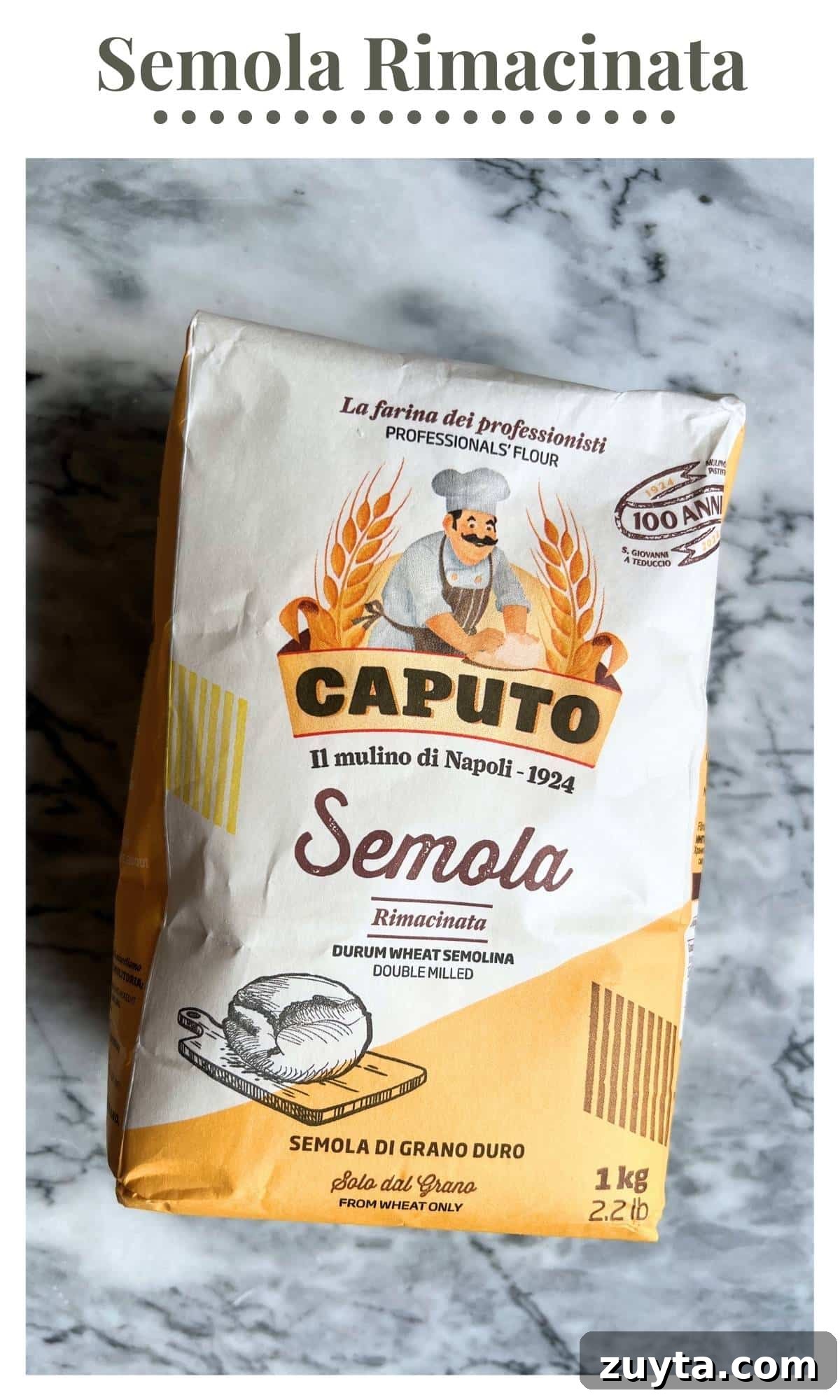
- Semola Rimacinata – Use semola or fine cornmeal to dust your peel or tray. It won’t stick to the dough the way flour can and helps the pizza slide easily onto the oven surface.
Visual walk-through of the recipe
Step 1 – Combine flour, water and yeast in a bowl or stand mixer until a rough dough forms. Cover and rest for 30 minutes to hydrate the flour.
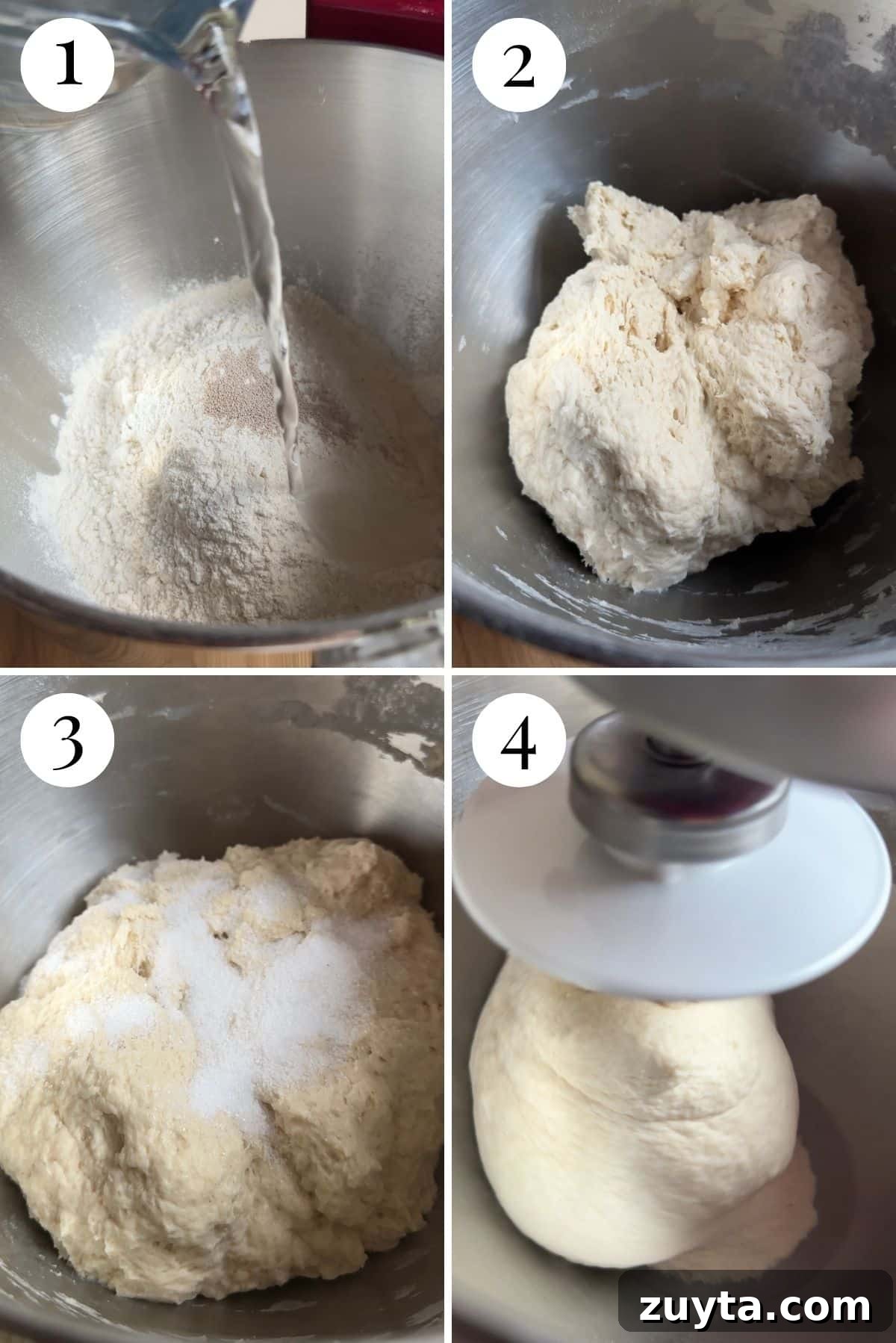
Step 2 – Add the salt and knead for about 10 minutes with the dough hook or by hand until the dough is smooth and elastic.
Step 3 – Shape the dough into a ball, return it to the bowl and cover. Let it proof at room temperature until it has roughly doubled in size (around 4 hours).
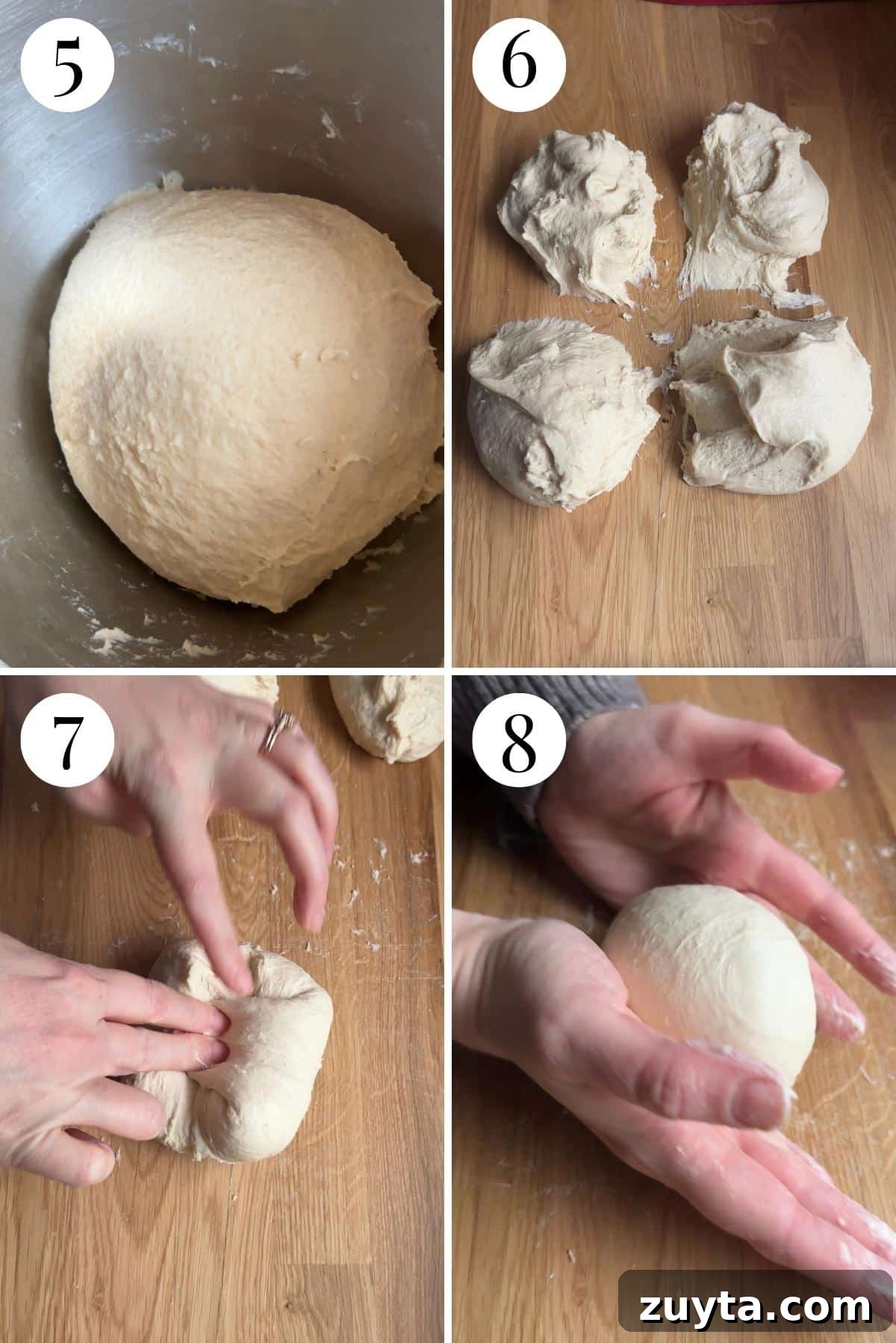
Step 4 – Turn the dough onto a clean surface and divide it into four pieces. Each should weigh about 235–240 g if you prefer consistent portions, but exact weight is optional.
Step 5 – Form each piece into a smooth ball by folding the edges toward the centre and turning the dough on the work surface. Place each ball in a small bowl, seam-side down.
Step 6 – Cover the bowls and refrigerate for a cold ferment of 18–48 hours. This slow chill develops flavour and strengthens the dough.
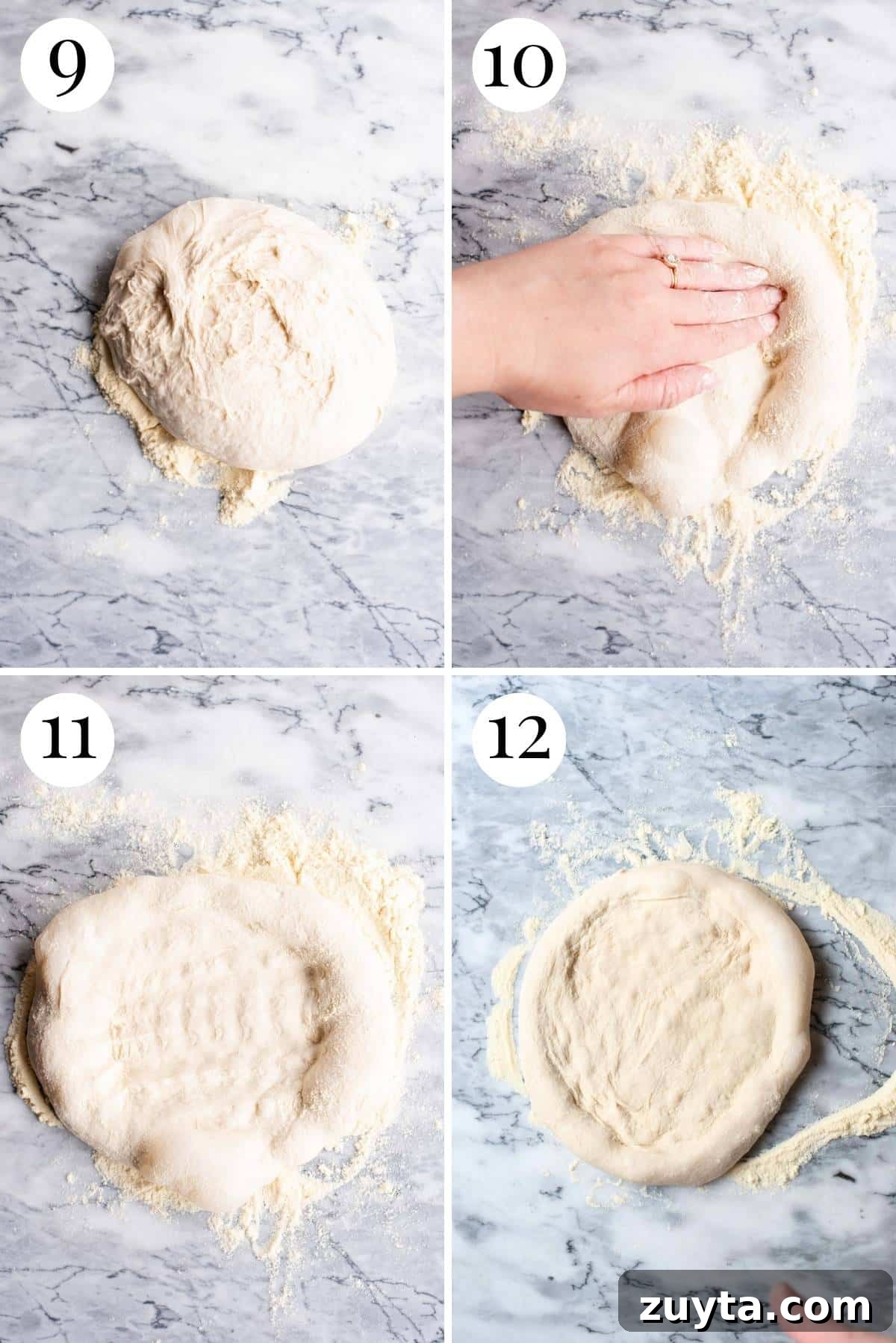
Step 7 – Remove the dough from the fridge 2–3 hours before baking so it comes to room temperature. Preheat the oven to its highest setting with a stone or steel inside for at least 45–60 minutes.
Step 8 – Dust your work surface generously with semola. Place one dough ball on the semola, press the edge to form a rim, then gently stretch the centre by rotating and using gravity or your fists. Avoid tearing the skin to preserve the air pockets.
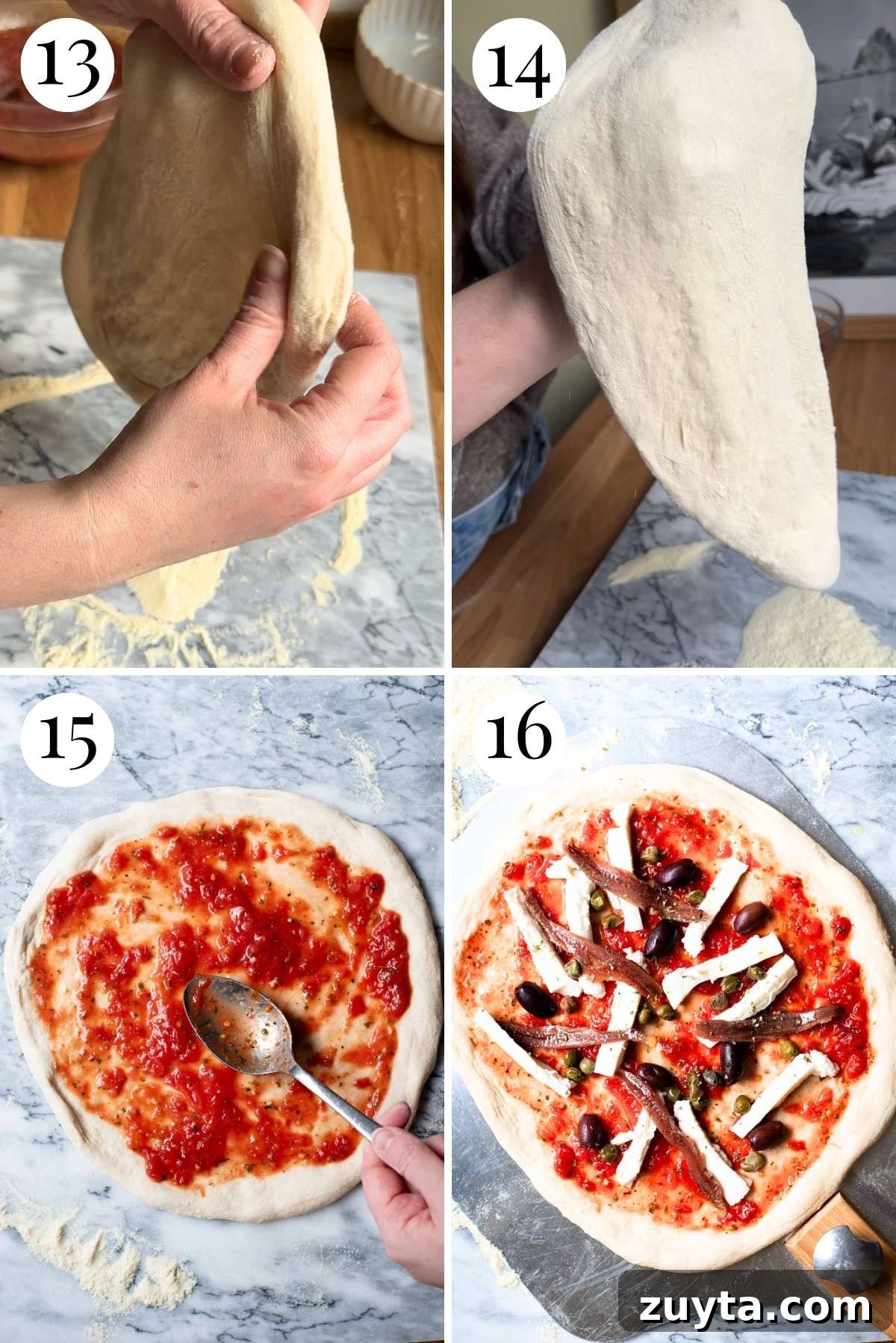
Step 9 – Lightly spread tomato sauce over the base, add mozzarella and a few toppings. Slide the pizza onto a peel and transfer to the stone. Bake for about 7–10 minutes, or until the crust is golden and the cheese is bubbling.
Recipe tips
- Weigh ingredients – Flour measured by volume can vary widely. A kitchen scale gives consistent results and more reliable dough hydration.
- Sticky dough – If the dough feels sticky, dust your hands lightly with flour when shaping. The dough should be tacky but workable.
- Cook time – Baking time depends on oven temperature and equipment. A home oven at 270°C (518°F) with a pizza stone may bake pizzas in 5–7 minutes; cooler ovens will take longer.
FAQs
Yes. Freeze the individual dough balls as soon as you divide them. Thaw completely in the fridge or at room temperature, then bring to room temperature before shaping and baking.
No problem. Knead the dough for the full 10 minutes and continue with the recipe. Resting before adding salt is a preference for texture, but the dough will still turn out well if you skip that step.
Pizza recipes to try

Pizza
Quattro Formaggi Pizza (Four Cheese)

Pizza
Taleggio Mushroom Pizza

Pizza
Quattro Stagioni – Four Seasons Pizza
Pizza
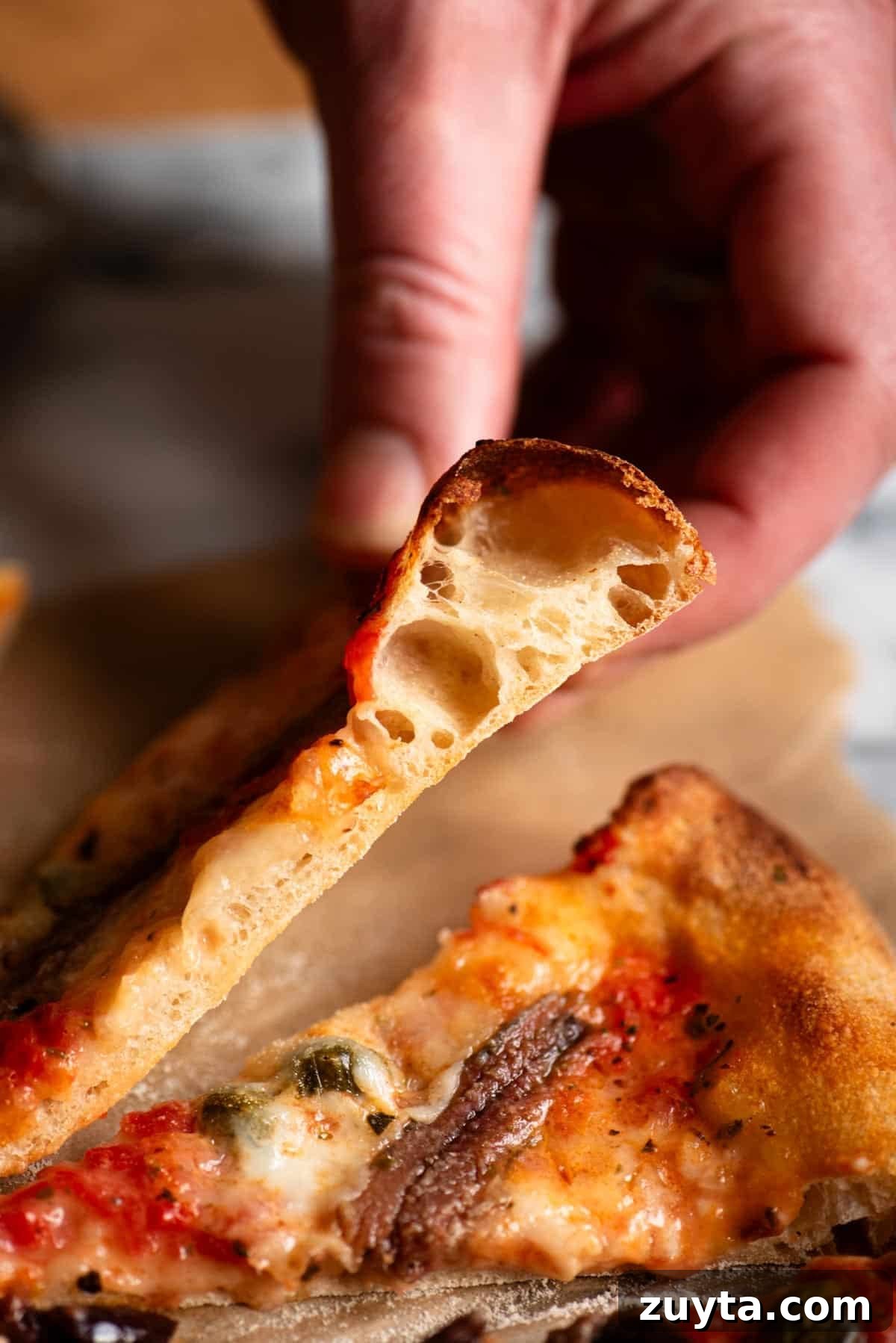
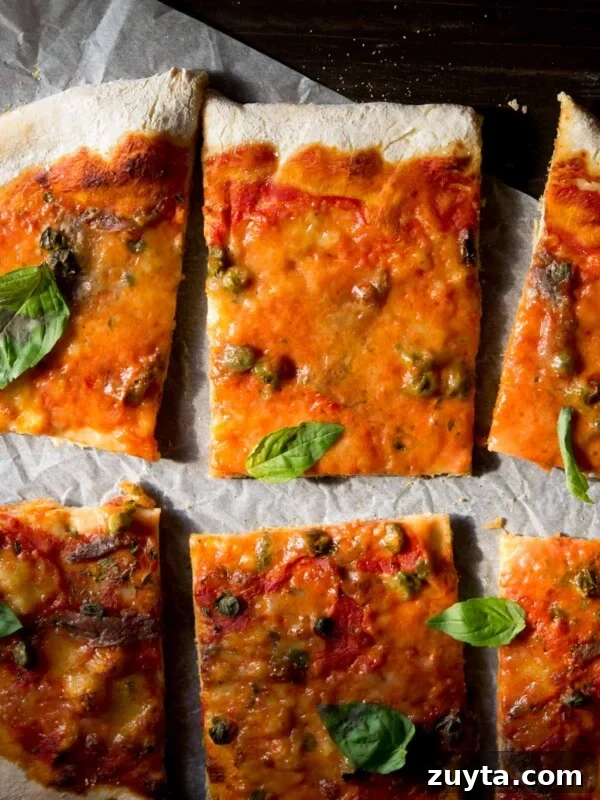
Anchovy Pizza with Capers (Pizza Napoli)
If you try this Homemade Pizza Dough recipe, please rate it and leave a comment to let us know how it turned out. Your feedback helps us improve and share tips that work in real kitchens.
Step By Step Photos Above
Most recipes include photos, tips and tricks to help you get it right first time.
Homemade Pizza Dough
By Emily

Equipment
- Pizza stone or baking steel
- Pizza peel (if using a stone)
- Stand mixer with dough hook (optional)
- 4 small bowls for fermenting the dough balls
Ingredients
- 580 g Italian 00 flour (about 4 cups plus 3 tablespoons)
- 377 ml water (about 1½ cups plus 2 tablespoons)
- 1 g dried instant yeast (¼ teaspoon)
- 12 g fine salt (1½ teaspoons)
- Semola Rimacinata or fine cornmeal for dusting
Instructions
Make the dough
- Combine the flour, yeast and water in a stand mixer bowl or large mixing bowl (do not add the salt yet). Mix until the ingredients are incorporated and a shaggy dough forms.
- Cover and rest for 30 minutes to hydrate the flour.
- Sprinkle the salt over the dough and knead with the dough hook on low for 10 minutes, or knead by hand for 10 minutes until smooth and elastic.
- Shape into a ball, place back in the bowl, cover and proof at room temperature for about 4 hours or until doubled in volume.
Divide and cold ferment
- Turn the dough onto a clean surface and divide it into four pieces. Weighing to 235–240 g each is optional but helpful for consistent pizzas.
- Shape each portion into a smooth ball, place each in a small bowl, cover and refrigerate for 18–48 hours to cold ferment.
Shape and bake
- Remove dough from the fridge 2–3 hours before baking to come to room temperature.
- Preheat the oven to its highest temperature with a stone or steel inside for 45–60 minutes.
- Dust a work surface with semola. Place a dough ball on the semola, press a rim with your fingers and gently stretch the centre by rotating the dough and using gravity until it reaches the desired size.
- Add tomato sauce, mozzarella and a few toppings (less is more). Transfer quickly to the peel and slide onto the stone. Bake for 7–10 minutes or until the crust is golden and toppings are melted.
If you don’t have a pizza peel or stone
Use a large baking tray dusted with semola. Shape the dough directly on the tray, then add sauce and toppings before baking.
Notes
- No stand mixer? Knead by hand for 10 minutes instead.
- Portion sizes – Makes four 10–12 inch pizzas, or two large tray pizzas.
- Pizza stone/steel – Preheat a cold stone for at least 45–60 minutes so it reaches the oven temperature through and through.
- Don’t overload – Too many toppings or too much sauce will make the pizza soggy.
- Mozzarella – Pat fresh mozzarella dry before use, or choose a low-moisture block cheese if you prefer.
Nutrition
Carbohydrates: 79 g |
Protein: 17 g |
Fat: 3 g
Nutrition information is approximate and provided for guidance only.
Did you try this recipe?
Leave a comment below and tell us how it turned out.