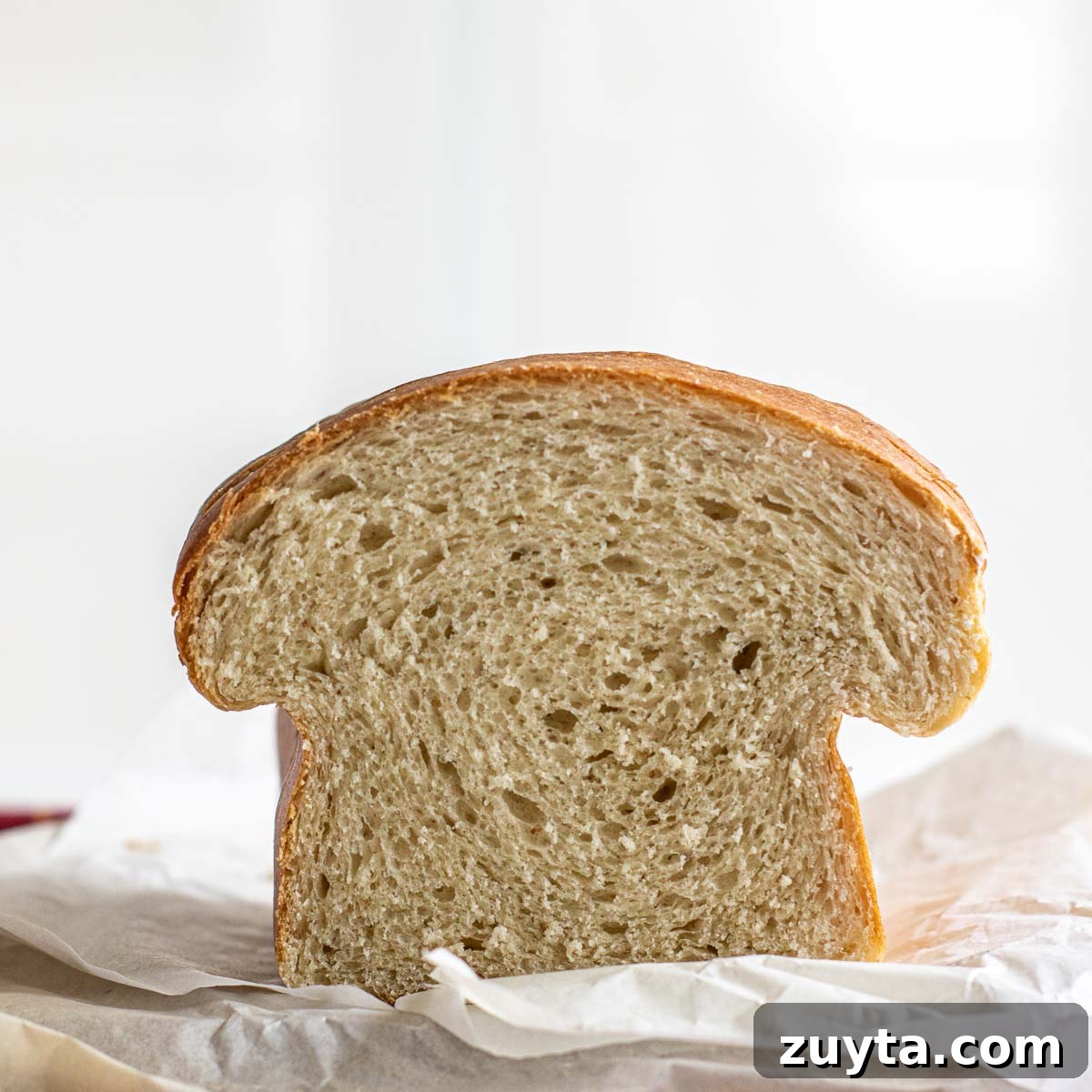
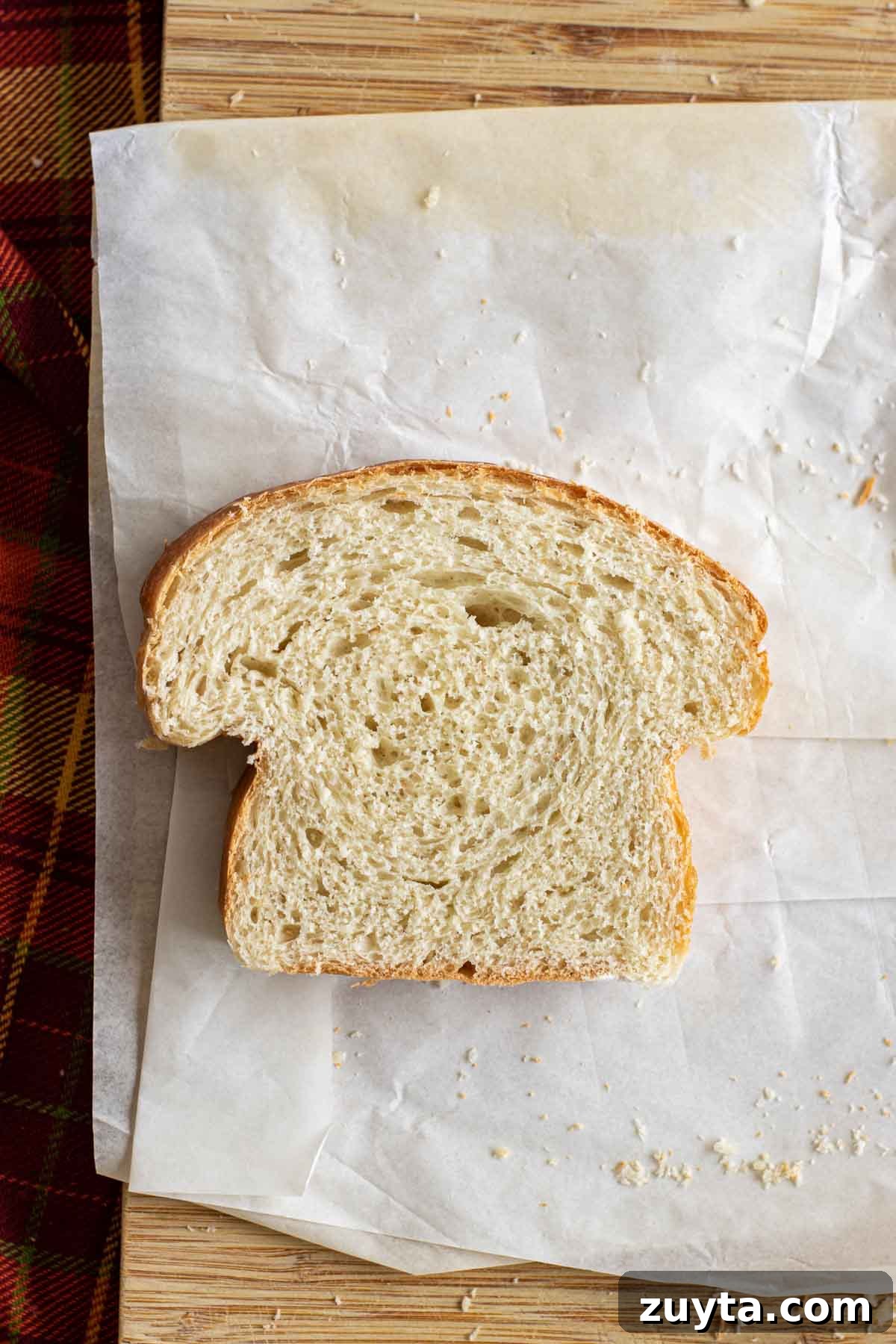
Made with an enriched dough and an active, bubbly sourdough starter, this Same Day Sourdough Sandwich Bread has a thin crust and an extra-soft crumb—ideal for sandwiches, toast, and French toast.
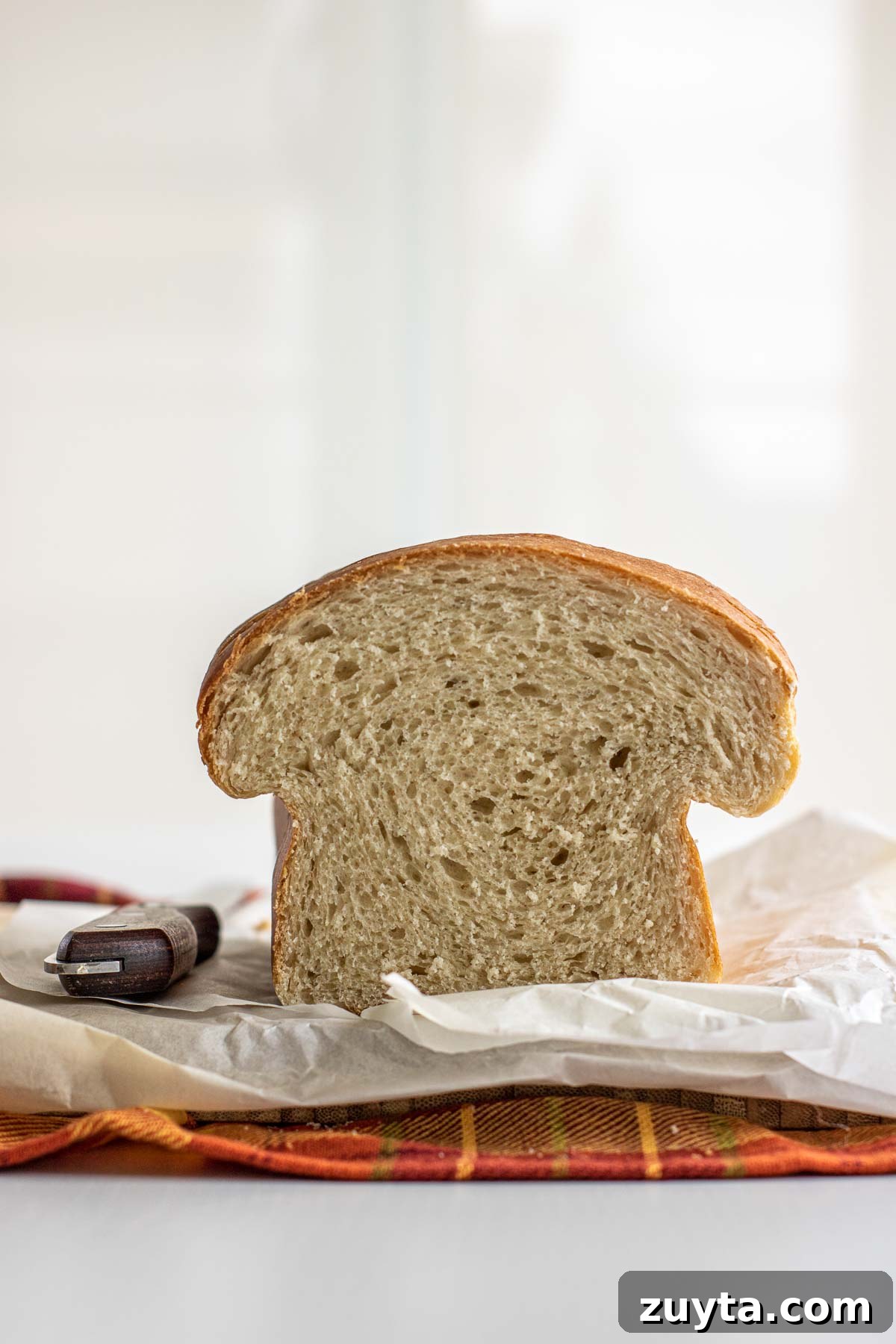
This loaf ferments entirely with wild yeast and can be made in a single day without a stand mixer. It produces a tight, even crumb that’s perfect for slicing, and you can easily adjust the tang by using a small pinch of baking soda if your starter is very sour.
Why bake it
If you want a sandwich loaf that is soft, tender, and ready the same day, this recipe delivers. It’s enriched with milk, butter, and sugar which keeps the crumb moist and flavorful, while the thin crust stays soft enough for easy slicing. Make this when you need a reliable loaf for sandwiches, grilled cheese, or a batch of French toast.
Ingredients and substitutions
Active sourdough starter: This recipe uses an active starter. For the best results feed your starter the night before and use when bubbly and active.
Note: this recipe assumes a 100% hydration starter (equal parts water and flour by weight).
Milk: Whole, partially skimmed, or skim milk all work. For a vegan alternative, use almond, soy, or oat milk.
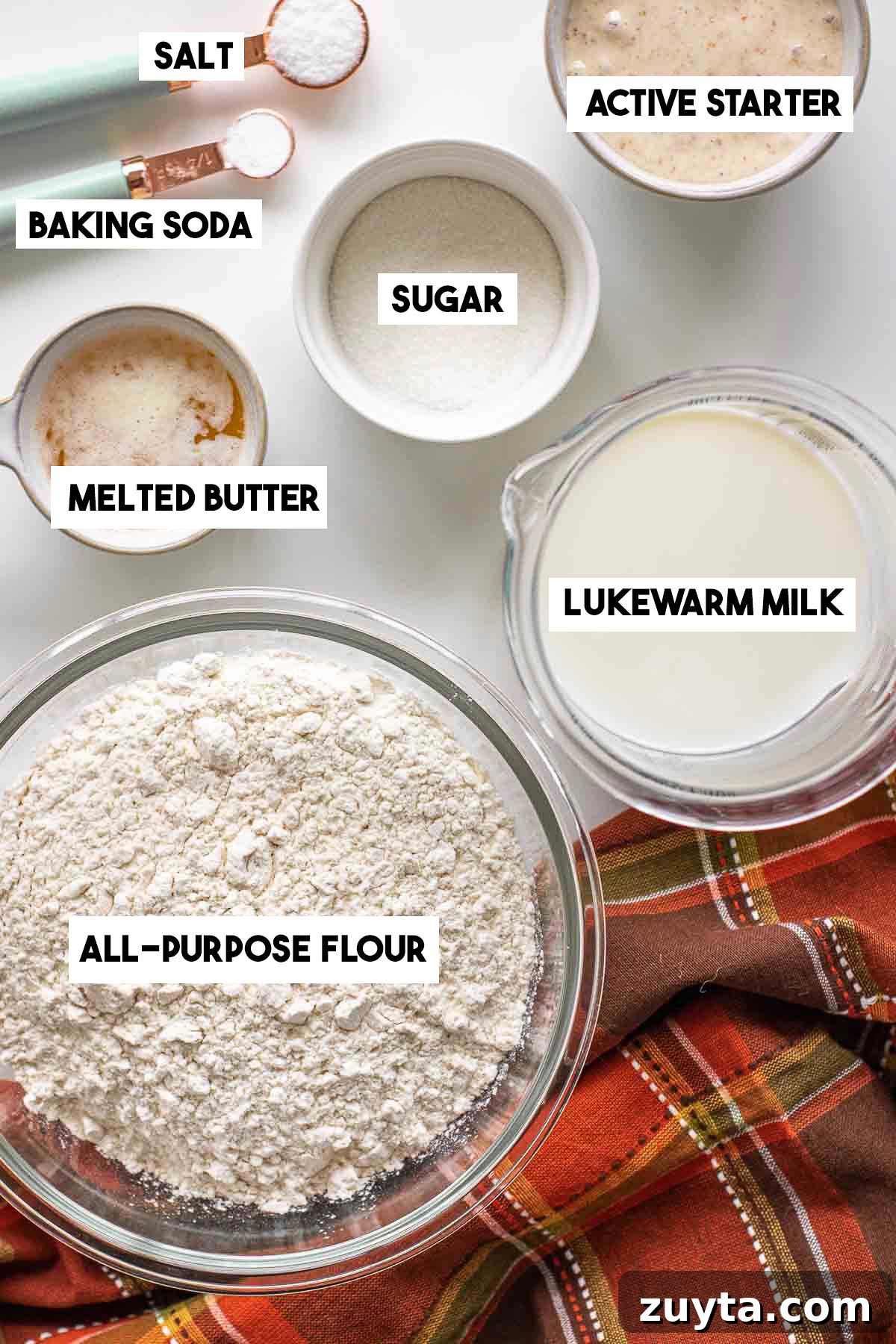
Sugar: White granulated or caster sugar is ideal. You can substitute brown sugar or honey if you prefer.
Flour: All-purpose or white bread flour can be used. For an ultra-tender sandwich loaf I recommend all-purpose flour. If you want to add whole wheat, replace no more than one third of the white flour with whole wheat to avoid a dense loaf.
Butter: Unsalted butter, melted. For a dairy-free option substitute melted margarine or a neutral oil.
See the recipe card below for exact ingredient amounts and the full, step-by-step instructions.
Making it in one day
To get this loaf baked in a single day, follow a few timing and temperature tips:
- Use lukewarm milk so the dough temperature encourages fermentation and your starter stays active—avoid cold ingredients.
- If your starter is very tart and you want a milder loaf, add a pinch of baking soda to the dough; it reduces tang while preserving sourdough character.
- Use a larger amount of active starter than typical sourdough breads to speed fermentation.
- Keep the dough in a warm spot for bulk and final proofing—an oven with the light on or a proofing function works well.
How to make it
This is a straightforward dough that doesn’t need a mixer—just a bit of gentle handling and several sets of stretch-and-folds.

Step 1. In a large bowl, whisk together lukewarm milk, melted butter, and the active sourdough starter until combined.
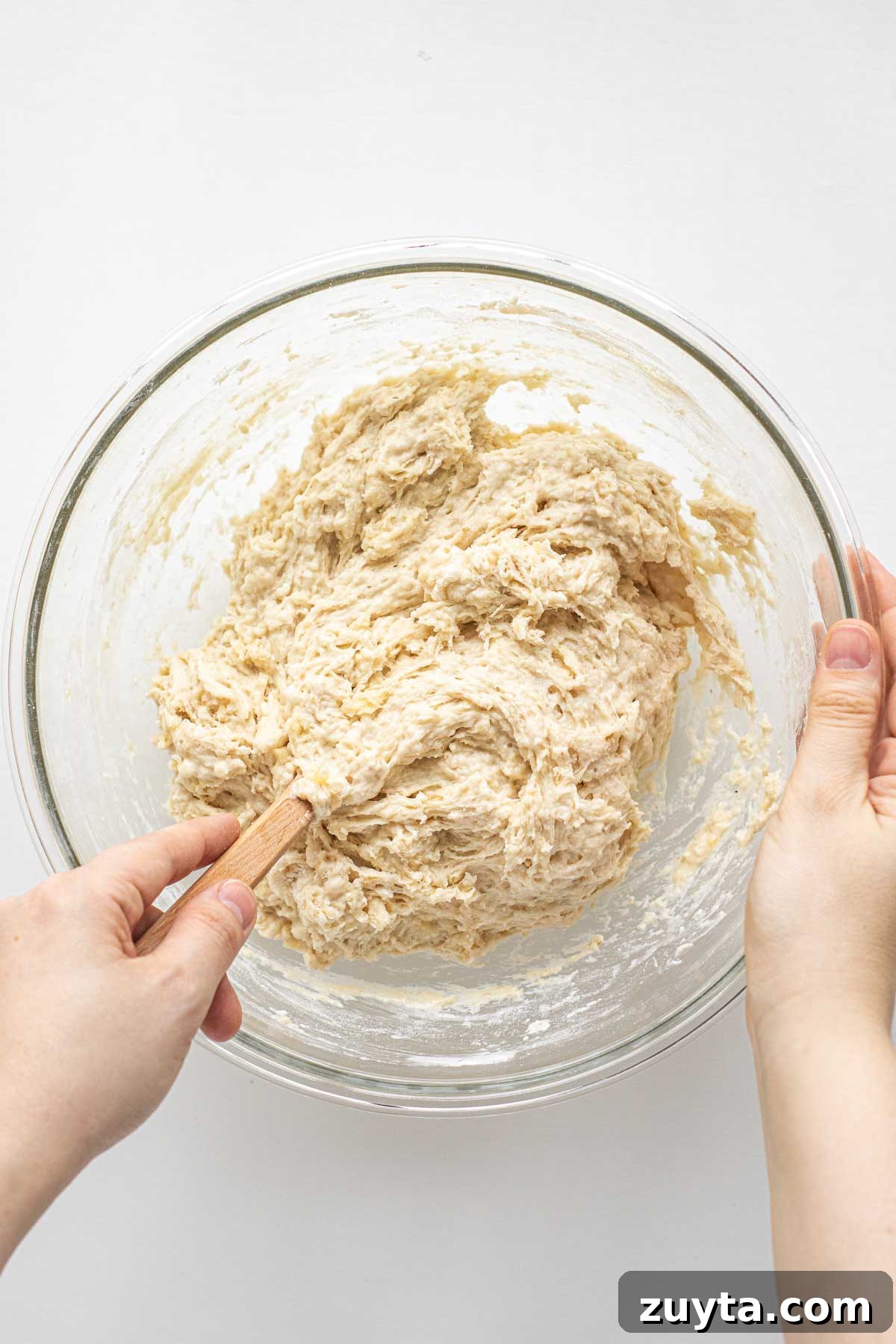
Step 2. Add the flour, sugar, salt, and baking soda (if using). Mix until a sticky dough forms.
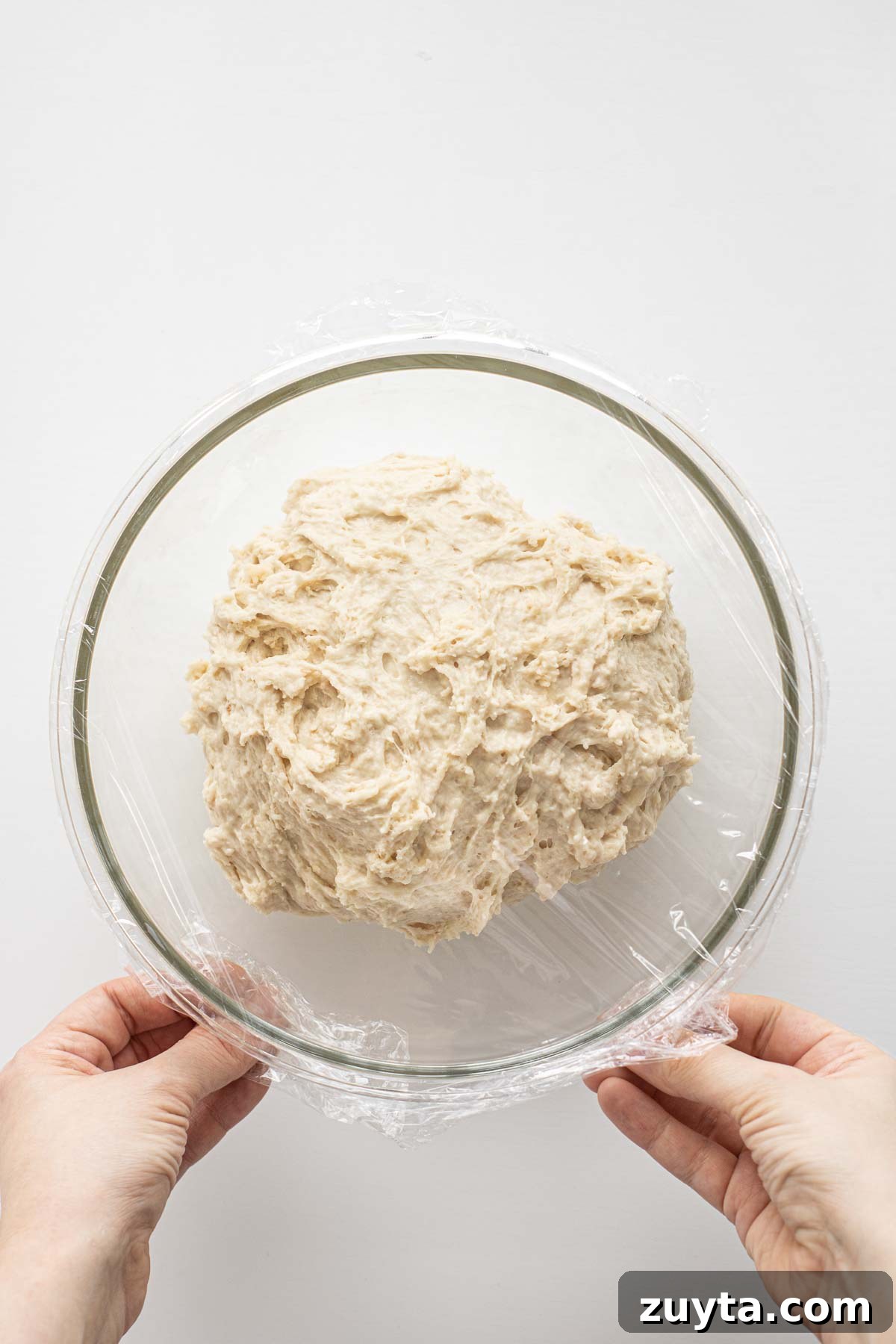
Step 3. Cover the dough and let it rest 30 minutes. This autolyse-like rest helps hydration and gluten development.
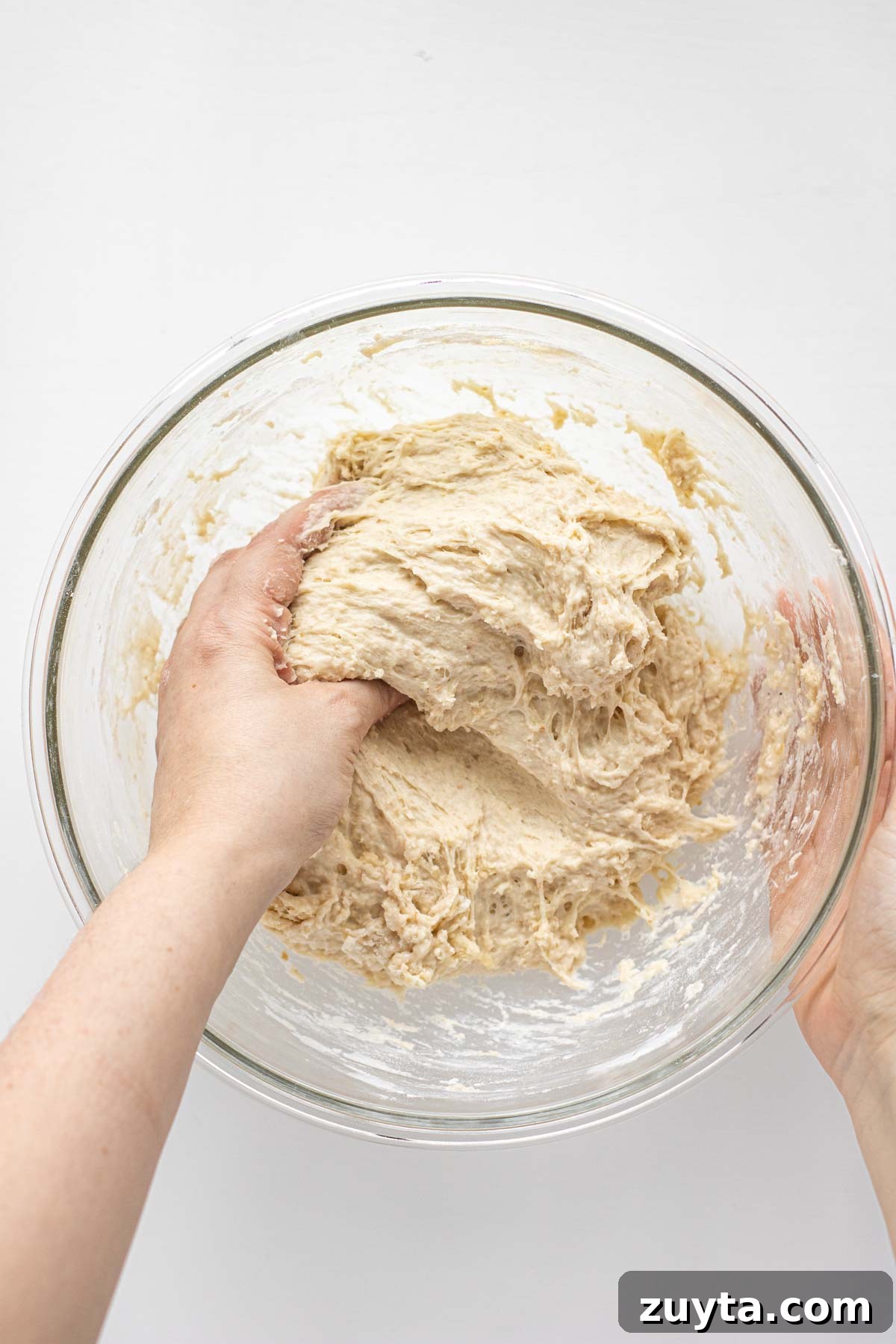
Step 4. Transfer to a clean bowl and perform four stretch-and-folds, resting 20 minutes between sets. Repeat three more sets, resting 20 minutes between each. The dough will become softer and less sticky.
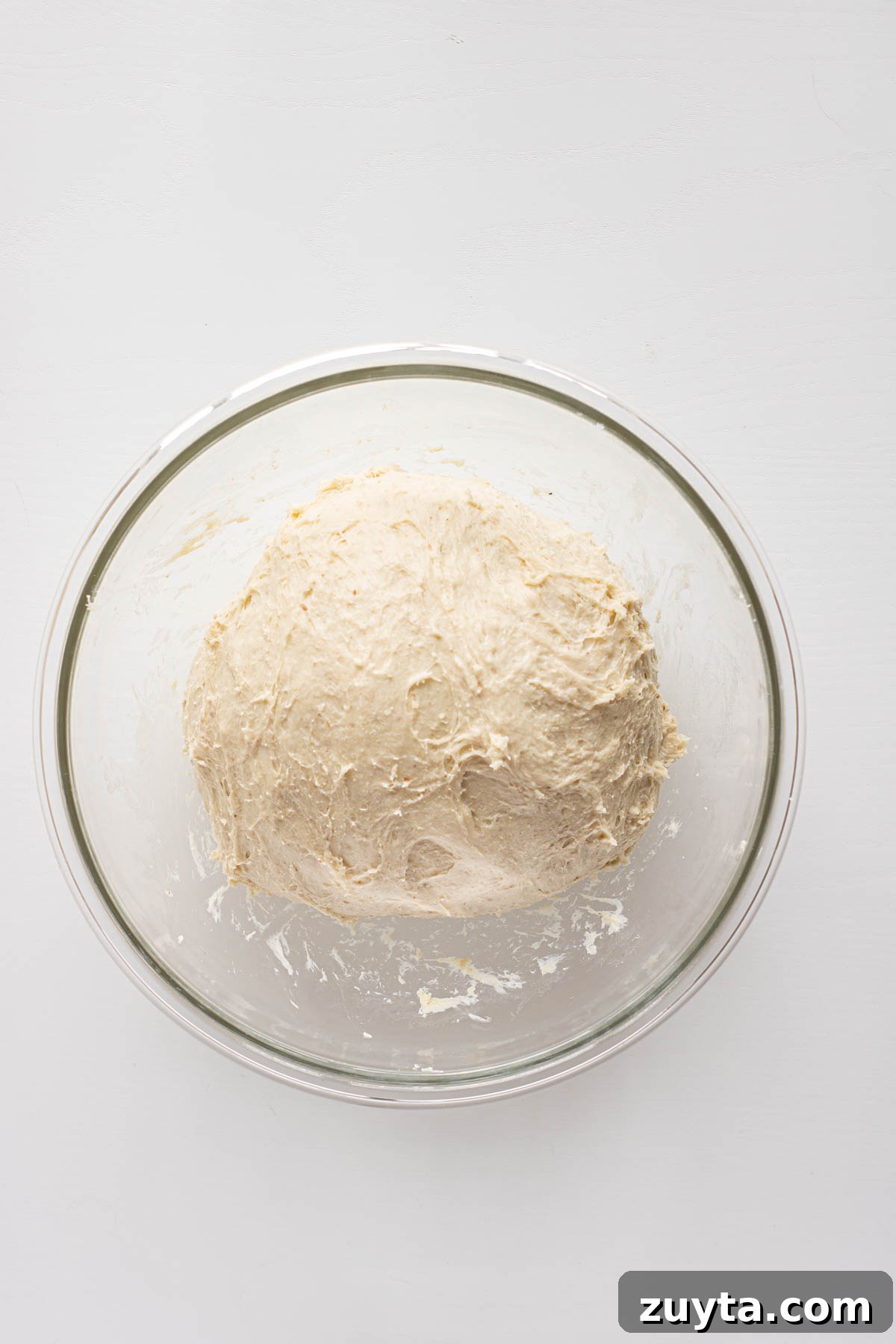
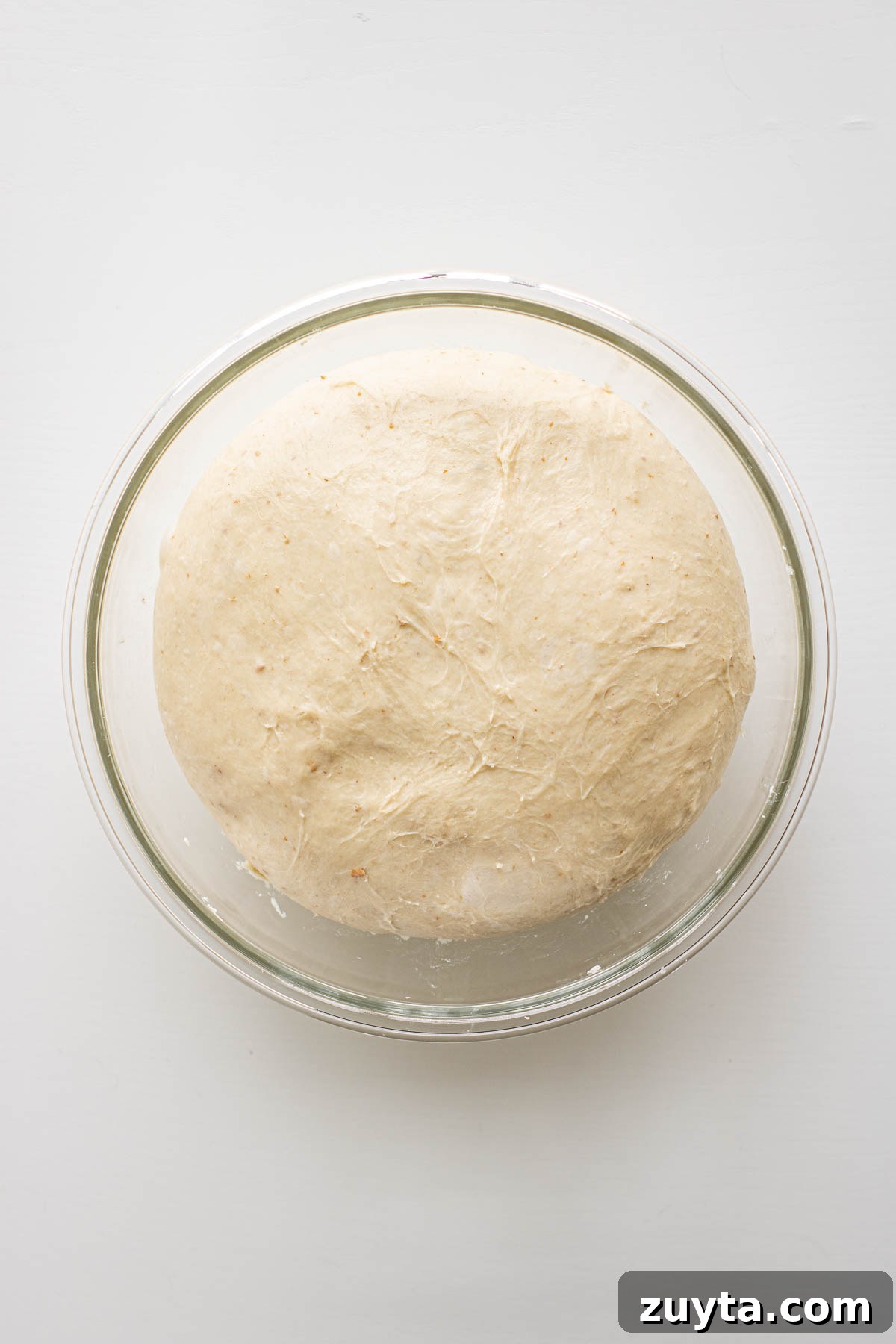
Step 5. After the last sets, cover and bulk ferment in a warm spot until the dough is noticeably lighter and roughly doubled—about 3½ to 5 hours, depending on temperature and starter activity.
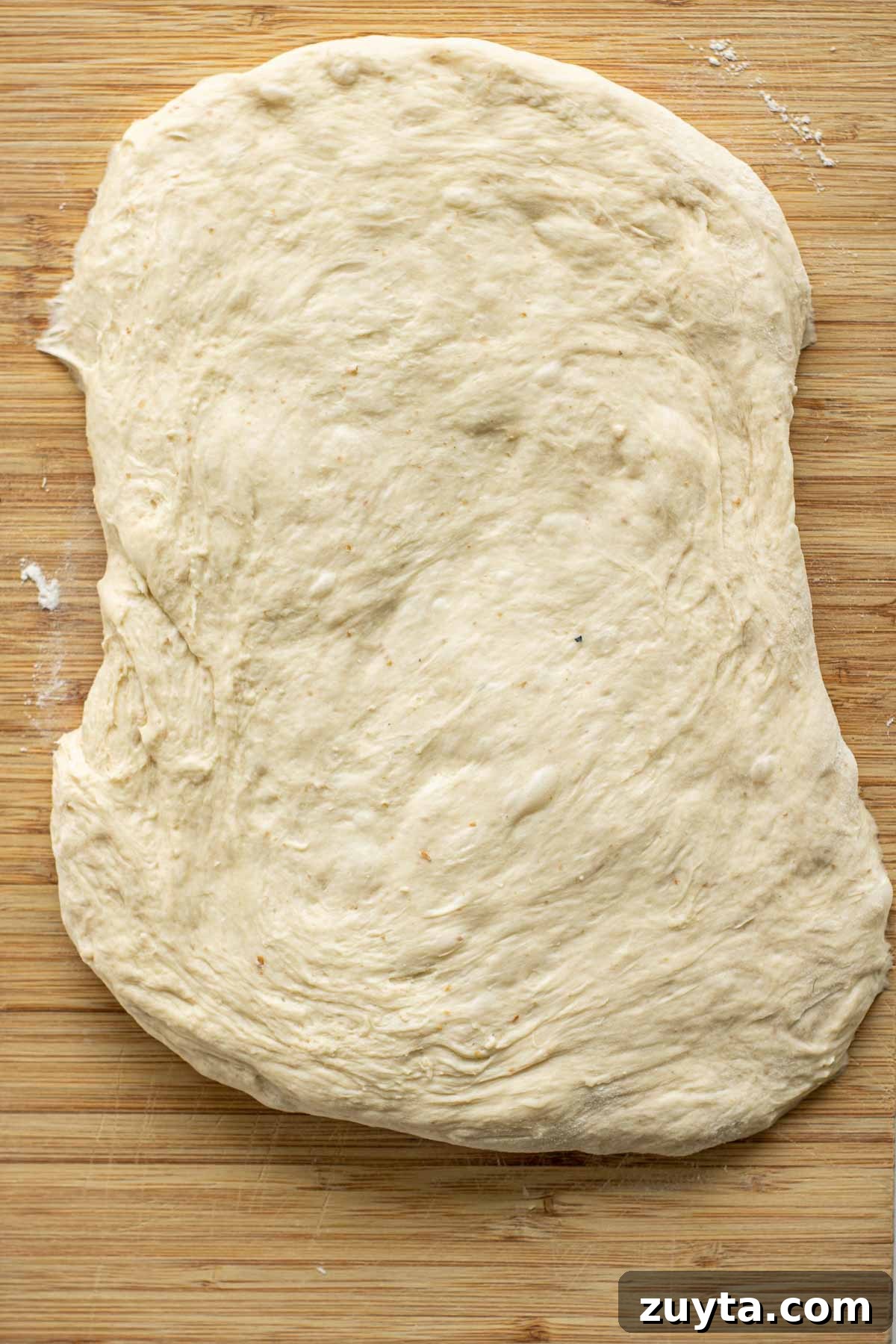
Step 6. Lightly flour your work surface and gently pat the dough into a rectangle. It’s fine to degas some large bubbles—this loaf is meant to be even-textured for slicing.

Step 7. Roll the dough into a loose log and pinch the seam closed. Place seam-down into a 9×5-inch loaf pan lined with parchment.
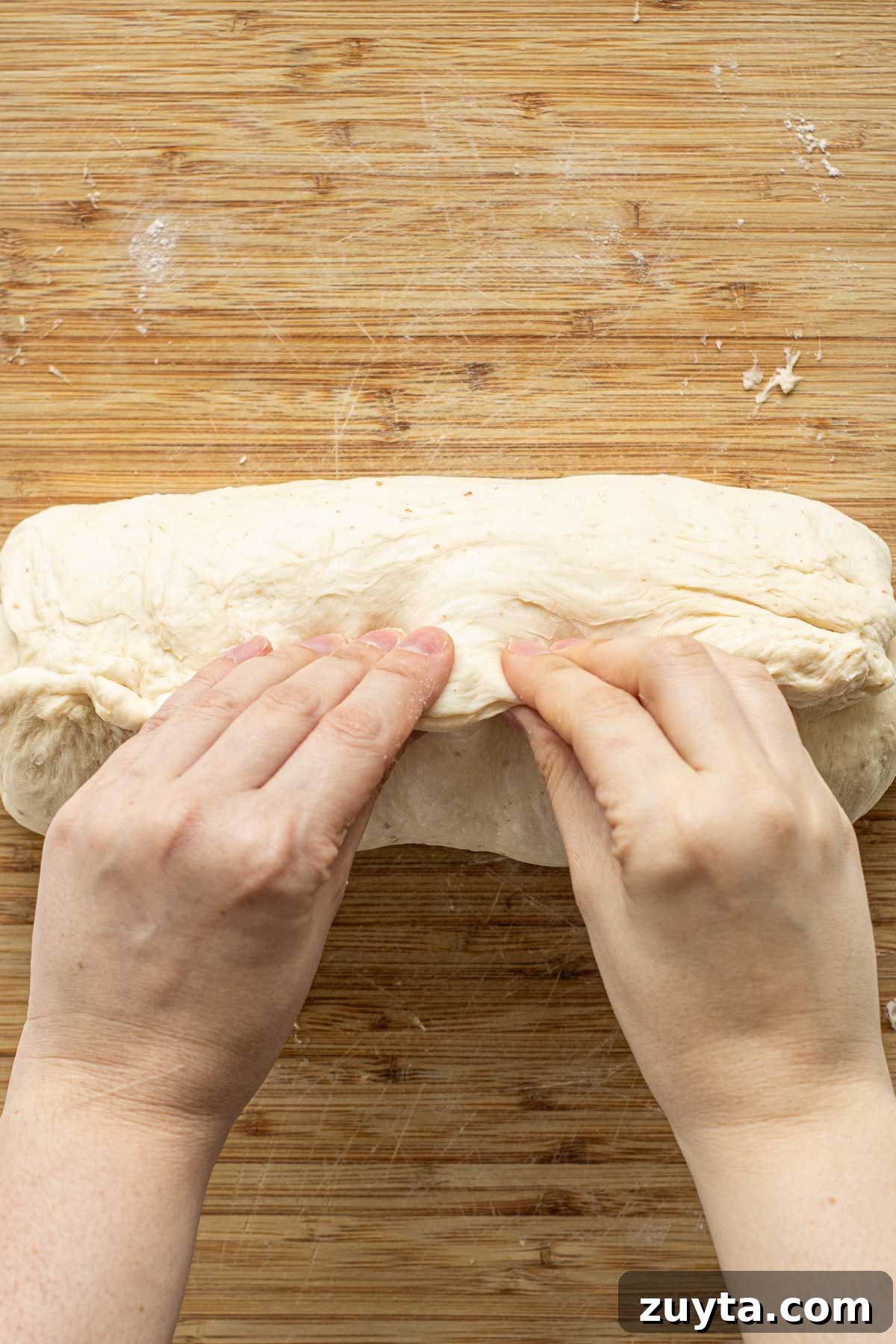
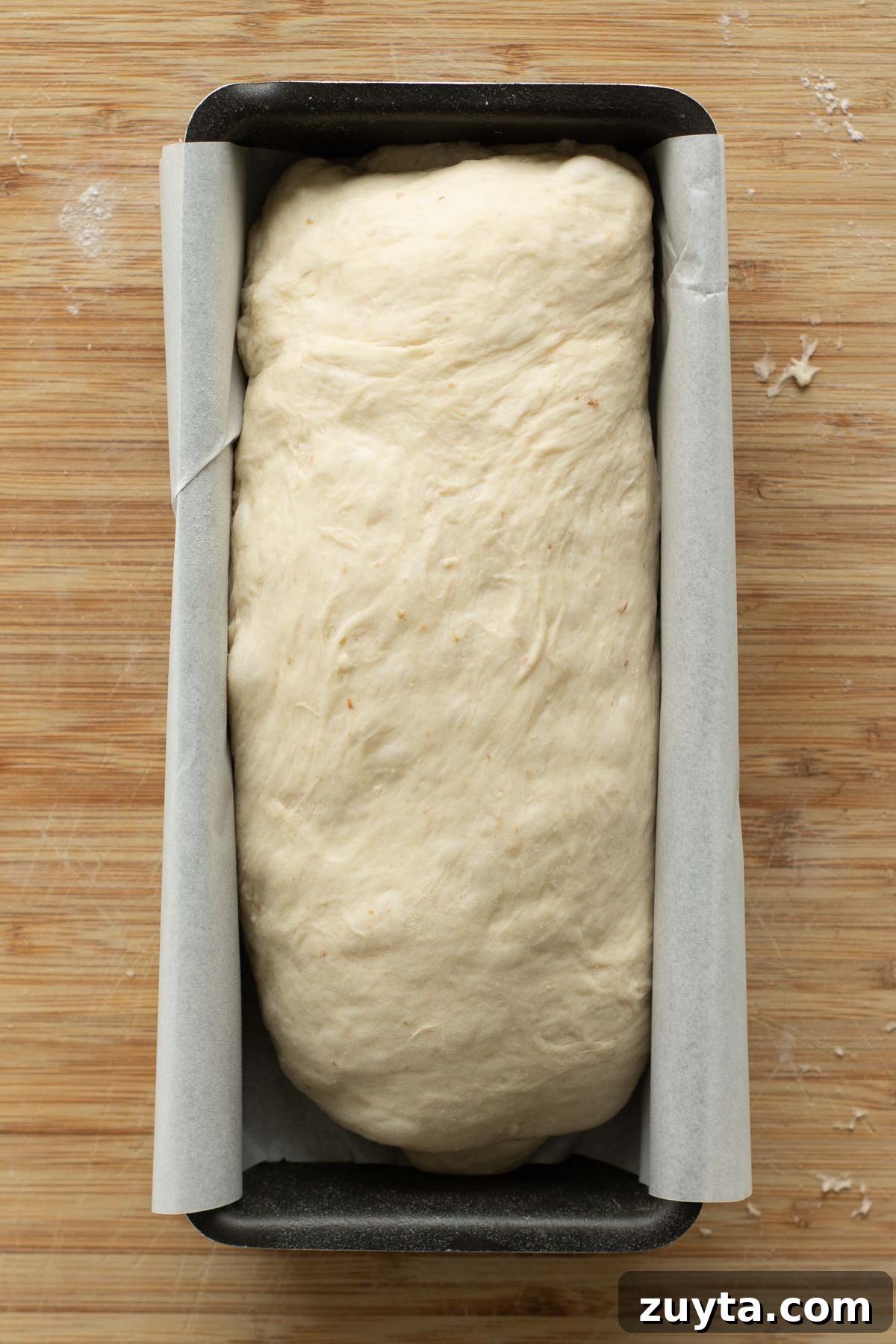
Step 8. Cover the pan to prevent a skin from forming and let the loaf rise until light and puffy, usually 1½ to 3 hours.
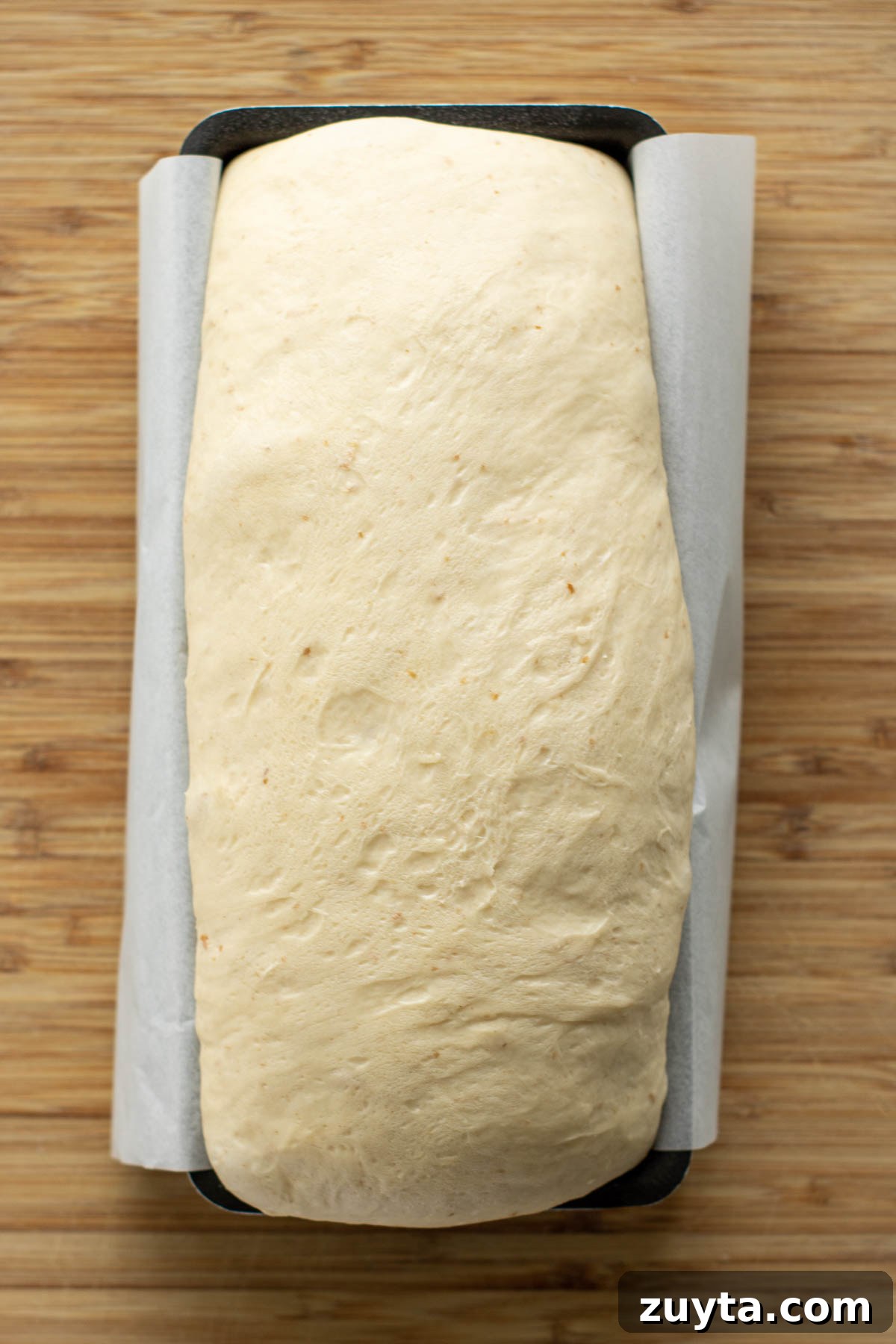
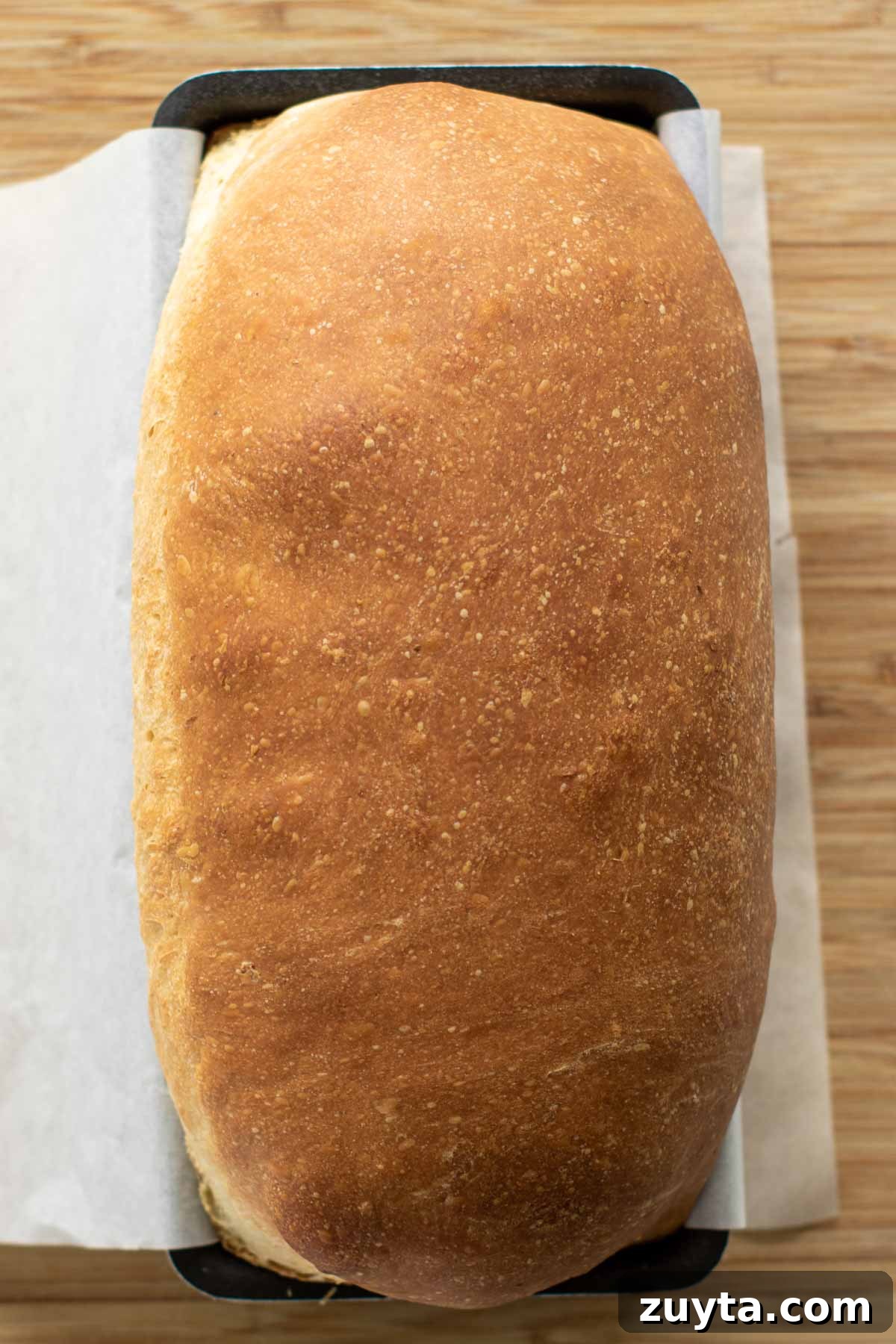
Step 9. Preheat the oven to 350°F (175°C) and bake 40–45 minutes until the crust is golden and the loaf sounds hollow when tapped. Remove and cool on a rack for at least one hour before slicing.
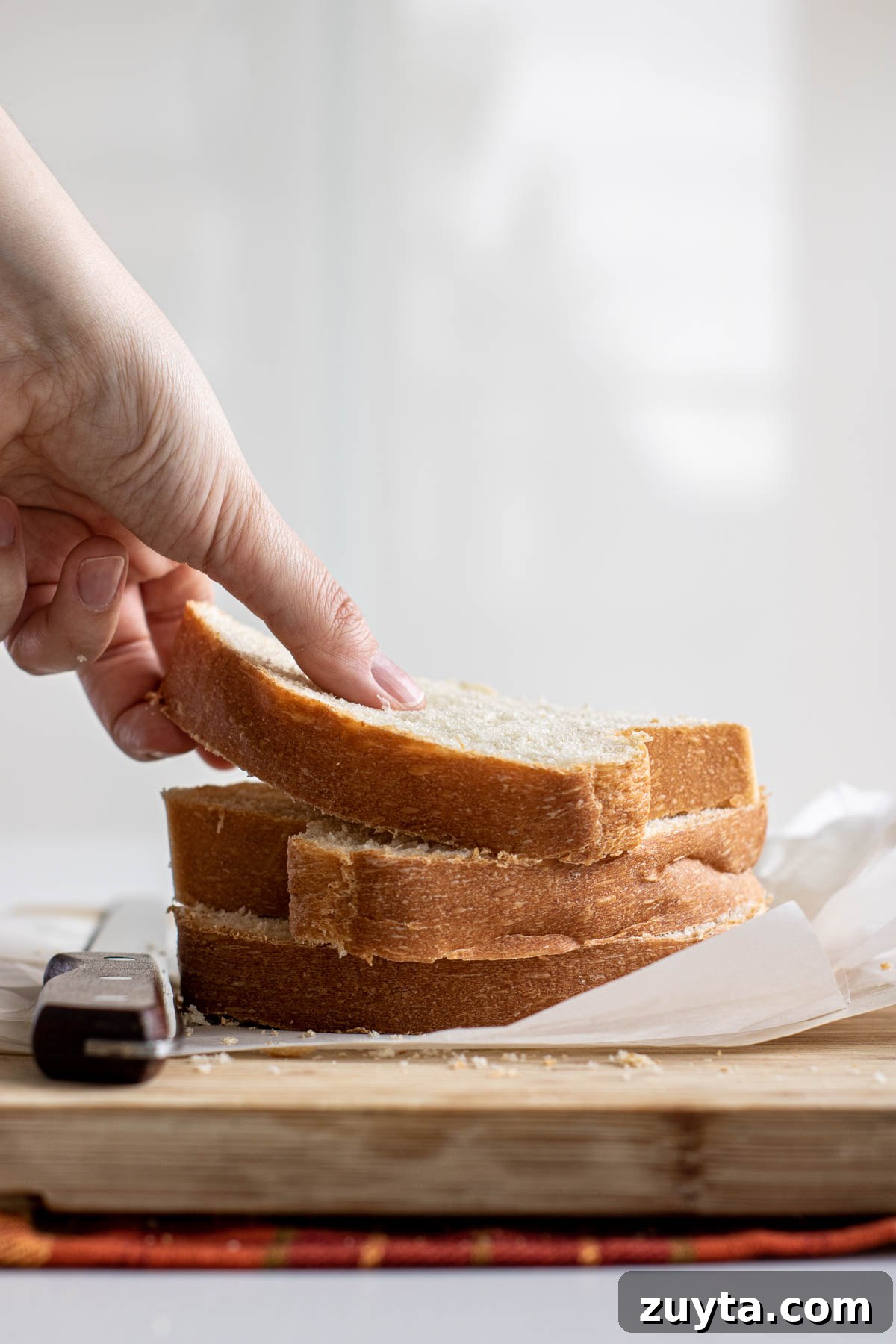
Patience at the cooling stage pays off: slicing too soon leads to a gummy crumb. If you need to scale the recipe for larger batches, adjust ingredient quantities proportionally.
Expert tips
- Weigh ingredients. Baking by weight is accurate and avoids inconsistent results—especially with starter and flour.
- Keep the dough warm. Bulk and final proofing are temperature-sensitive. Use the oven with the light on or a proofing drawer if needed.
- High altitude adjustments. Dough ferments faster at altitude. Reduce starter if fermentation is happening too quickly (for example, lower the starter by about 25–30% and watch timing).
- Avoid hot ingredients. Milk should be lukewarm and butter cooled slightly so you don’t kill starter activity.
Bread splitting during baking
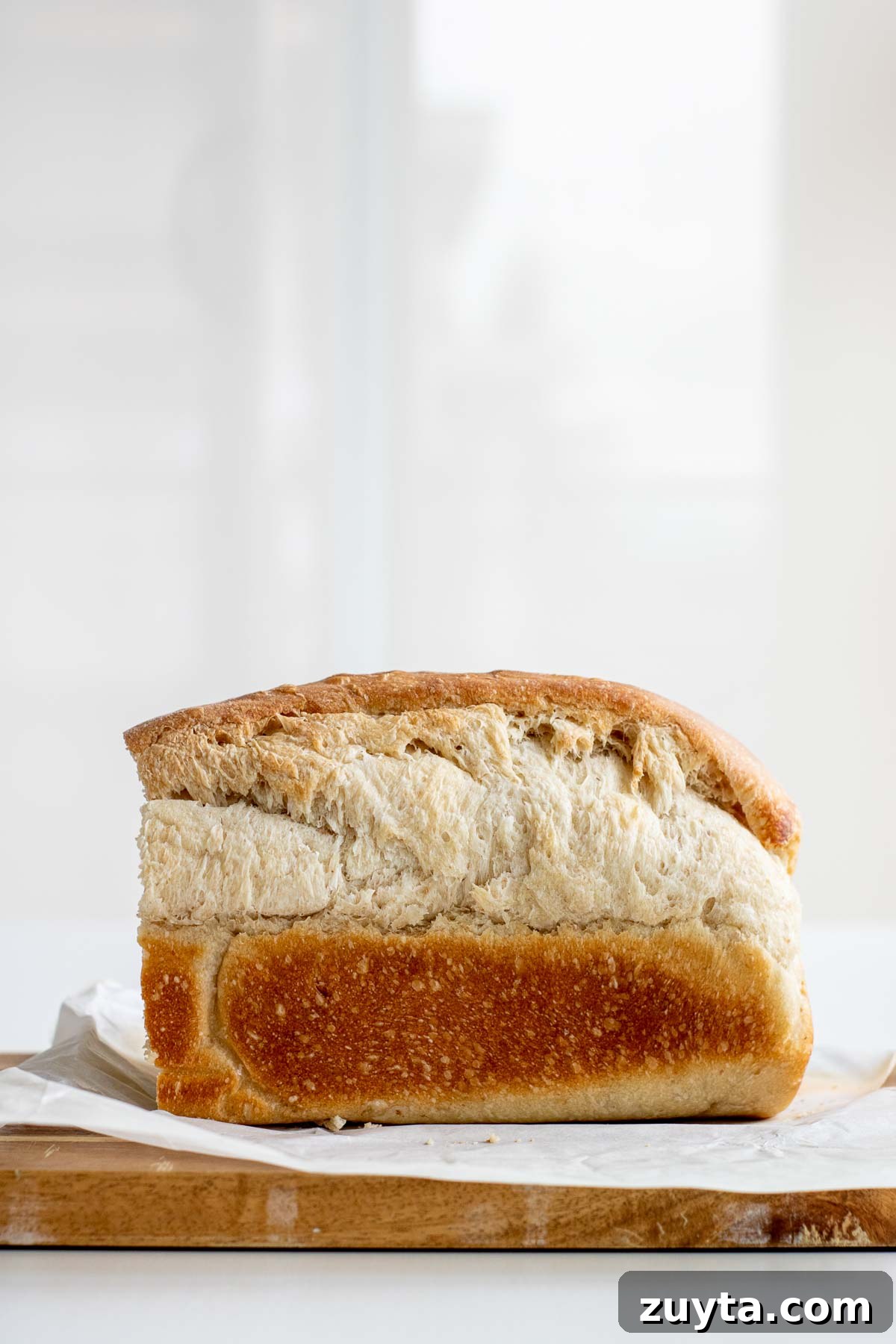
Loaves can split if shaped too tightly, underproofed, or if a skin formed on top before baking. To prevent bursting: shape gently (not tight), make sure the loaf is sufficiently proofed, and always keep the dough covered before baking so a skin doesn’t form.
Questions you might still have
Slow or stalled rise is usually due to an inactive starter, cold proofing conditions, or using cold ingredients. Make sure your starter is bubbly and active and keep the dough in a warm spot. Avoid using hot ingredients, which can damage the starter.
Density often comes from underproofing or overproofing, or inconsistent oven temperature. Check your proofing times and confirm your oven runs true to temperature.
The crust should be golden brown and sound hollow when tapped. An internal temperature of 180–190°F indicates a fully baked loaf.
Storing and freezing
Store the loaf at room temperature away from direct sunlight, wrapped in a clean cloth or bread bag; do not refrigerate. Properly stored, it keeps up to one week. To freeze, cool completely, then wrap in a freezer-safe bag or container—whole or sliced—and freeze up to three months. Thaw at room temperature or toast slices straight from frozen.
Sourdough recipes you might enjoy
If you like this loaf, try these other sourdough recipes for everyday baking: Sourdough Pull-Apart Dinner Rolls, Easy Sourdough English Muffins, Homemade Sourdough Bagels, and Sourdough Naan. These use similar techniques and are great uses for starter and leftover bread.
If you try this Same Day Sourdough Sandwich Bread, please leave a star rating and share your results in the comments!
Recipe
Same Day Sourdough Sandwich Bread
Makes: about 12 slices
Ingredients
- 125 g active sourdough starter
- 300 g lukewarm milk
- 60 g unsalted butter, melted
- 25 g granulated sugar
- 420 g all-purpose flour
- 7 g salt
- 1 g baking soda (optional, to reduce tang)
Instructions
- In a large bowl, combine lukewarm milk, melted butter, and active starter. Stir until blended.
- Add flour, sugar, salt, and baking soda (if using). Mix until a sticky dough forms.
- Cover and rest 30 minutes in a warm spot.
- Transfer to a clean bowl. Perform four stretch-and-folds, resting 20 minutes between sets. Repeat three more times (four sets total).
- After the final set, cover and bulk ferment in a warm place until the dough is lighter and nearly doubled (about 3½–5 hours).
- Gently shape the dough into a loose log, pinch the seam, and place seam-side down in a parchment-lined 9×5-inch loaf pan.
- Cover to prevent a skin and let rise until light and puffy (1½–3 hours).
- Preheat oven to 350°F (175°C). Bake 40–45 minutes until golden and hollow-sounding when tapped.
- Cool on a rack at least 1 hour before slicing.
Notes
- Do not use hot ingredients; milk should be lukewarm and butter should be slightly cooled.
- If using whole wheat flour, replace no more than one third of the white flour to avoid a dense loaf.
- At high altitudes, fermentation will be faster—reduce starter or shorten proofing times if needed.
Nutrition (per slice, approximate)
Calories: 194 kcal • Carbohydrates: 32 g • Protein: 5 g • Fat: 5 g