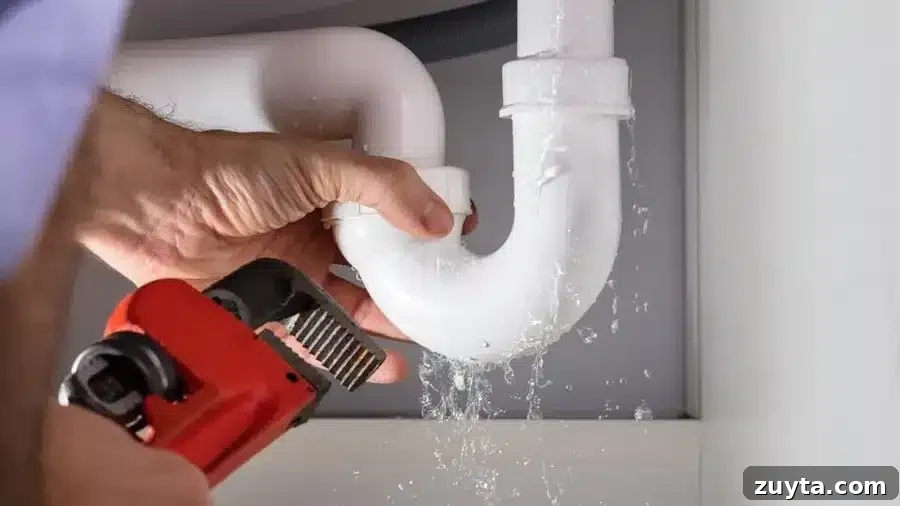
Plumbing emergencies can happen at any time and often arrive without warning. Knowing the most common problems and having a plan to handle them can reduce damage, lower repair costs, and protect your home. This guide outlines frequent plumbing emergencies, immediate steps to take, and basic prevention tips so you can respond quickly and confidently when an issue arises.
Burst Pipes
Burst pipes are among the most serious plumbing emergencies and often result from freezing temperatures, corrosion, or long-term wear. If a pipe bursts, locate your main water shut-off valve and turn it off immediately to stop the flow of water. Move furniture, electronics and valuables away from the affected area and use towels or a wet/dry vacuum to remove standing water where possible. Call a licensed plumber as soon as you can; they will assess the damage, perform temporary containment if needed, and make permanent repairs. After the immediate emergency is handled, inspect insulation and consider winterizing vulnerable pipes to reduce the risk of future bursts.
Clogged Drains
Clogged drains are common and can quickly become urgent if water starts backing up into sinks, tubs or showers. Avoid reaching for harsh chemical drain cleaners, as these can damage pipes and create hazardous conditions. Start with a plunger or a drain snake to clear the obstruction. For kitchen sinks, check and clean the trap under the sink if you can do so safely. If multiple drains are slow or blocked at once, that can indicate a deeper issue such as a main line blockage — in that case, contact a professional plumber. Routine maintenance, such as using strainers and avoiding grease down the sink, helps prevent many clogs.
Leaking Faucets
A dripping faucet may seem minor, but it wastes water and can increase bills over time. Most faucet leaks are caused by worn washers, O-rings or loose parts and can often be fixed by replacing inexpensive components or tightening connections. If the leak continues after basic repairs, it may signal a failing valve or cartridge that requires professional attention. Replacing old or damaged fixtures can improve efficiency and reduce the likelihood of future leaks.
Water Heater Malfunctions
Loss of hot water or inconsistent water temperature is a common water heater complaint. Before calling a technician, check the thermostat settings and make sure the pilot light is lit on gas models. Electric heaters may need a reset or have a tripped breaker. Sediment buildup can reduce efficiency over time, so regular flushing and scheduled maintenance help extend the life of your heater. For persistent problems — such as leaks, strange noises, or repeated temperature swings — contact a qualified plumber or HVAC specialist to inspect heating elements, tanks, and controls.
Sewer Line Backups
If multiple fixtures back up at once and you notice unpleasant odors, you may be dealing with a sewer line backup. These backups can be caused by tree roots, broken pipes, or accumulated debris and require prompt professional attention to avoid health hazards and structural damage. Immediately stop using water fixtures and appliances that drain into the sewer, and call a plumber experienced with sewer inspections and cleaning. A camera inspection will usually determine the cause and help the plumber recommend the best repair method.
Toilet Overflows
When a toilet begins to overflow, quickly shut off the water supply at the valve behind the toilet to prevent flooding. Use a plunger to try to dislodge the blockage, and avoid flushing repeatedly as this can worsen the overflow. Do not pour harsh chemicals into the bowl, as they can damage plumbing and create hazardous fumes. If plunging does not fix the problem, call a professional plumber to clear the line and check for underlying issues such as sewer backups or damaged pipes.
Leaking Water Supply Lines
Leaks from supply lines under sinks or behind appliances can cause hidden water damage and mold if left unchecked. If you find a leak, shut off the water to the affected fixture, inspect the connections, and tighten any loose fittings. If the line is cracked, corroded, or the leak persists after tightening, replace the supply line or call a plumber to do so. Using braided stainless steel supply lines instead of older flexible plastic lines can reduce the risk of sudden failures.
In summary: quick identification, immediate damage control, and regular maintenance are the best defenses against plumbing emergencies. Keep the location of your main shut-off valve and individual fixture shut-offs handy, maintain fixtures and appliances, and know when an issue is beyond a DIY fix. When in doubt or when a problem poses a risk to your home or health, contact a licensed plumber to ensure safe and lasting repairs.