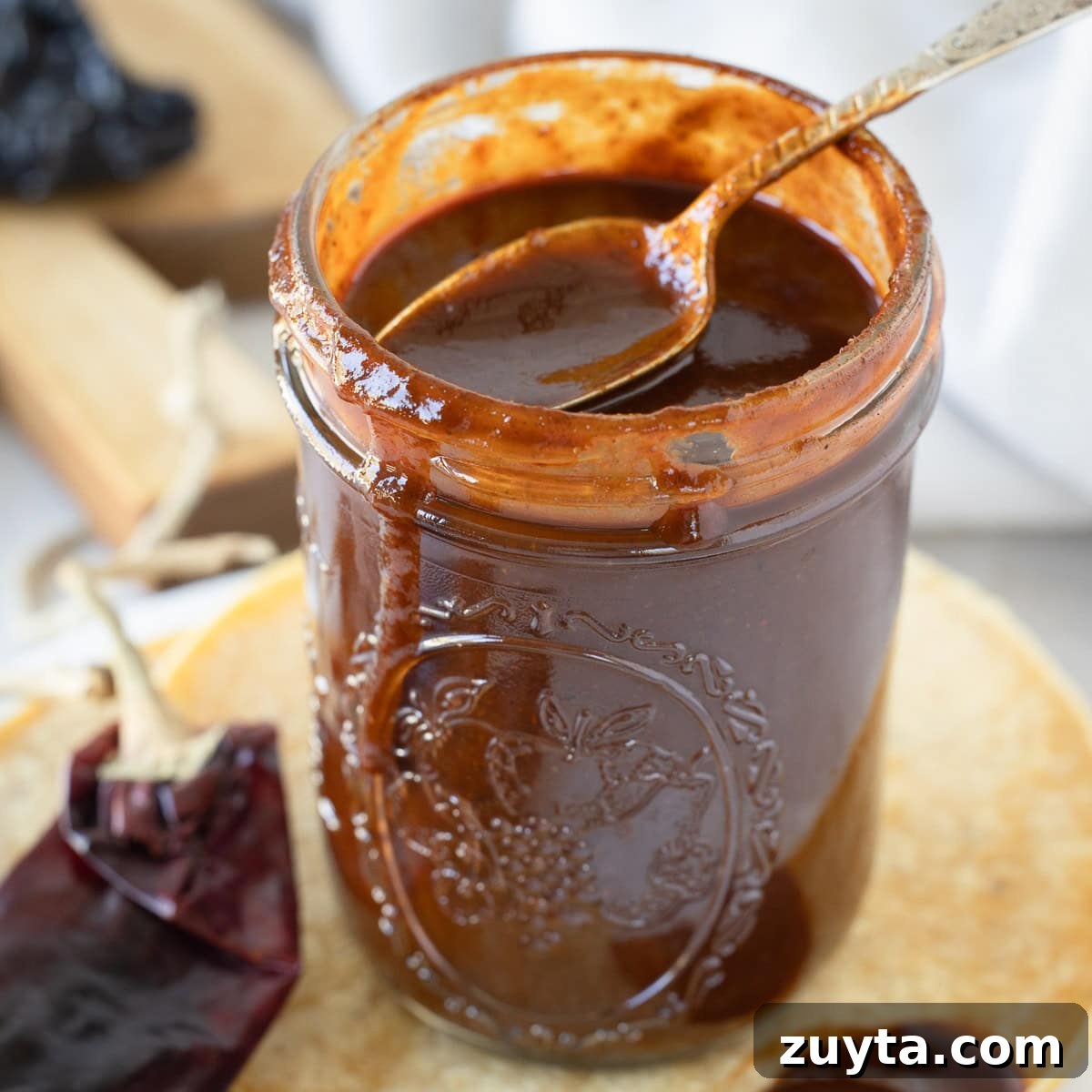
This deep brick-red enchilada sauce is made from real dried chiles—no shortcut chili powder required. It begins with a quick homemade chile paste and is finished into a smooth, velvety sauce with layered, earthy flavor and a beautiful color. It takes a bit longer than jarred mixes, but the complexity is worth the extra minutes. Below is a straightforward method for making authentic red enchilada sauce at home.
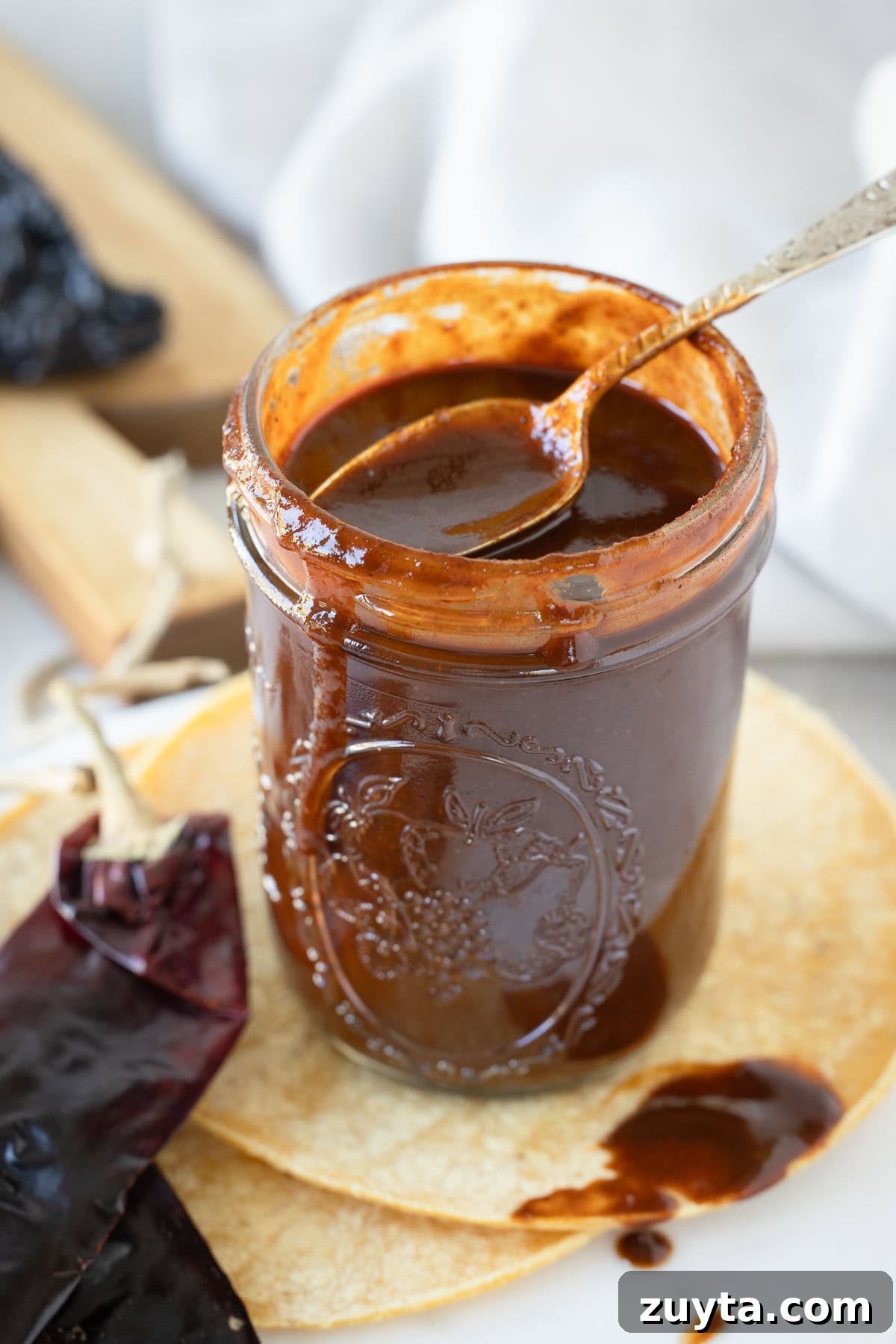
I first learned a version of this sauce decades ago in El Paso, Texas, watching a friend transform dried chiles into a rich table sauce. Recently I revisited and refined the recipe while working on a shredded beef dish and was reminded how far superior real dried-chile enchilada sauce tastes compared with canned options. Use it for enchiladas, tacos, bowls, casseroles, or whenever you want bold chile flavor — skip the canned sauces and make it yourself.
Red Enchilada Sauce Recipe Highlights
- Made with real dried chiles — deeper, more complex flavor and color than chili powder alone.
- From-scratch richness — smooth, velvety texture with layered savory notes.
- Gluten-free option — use a gluten-free flour blend or a thickening alternative for the roux.
- Cleaner, fresher ingredients — you control salt, sugar, and heat.
- Very versatile — great on enchiladas, tacos, eggs, bowls, and more.
Ingredients You’ll Need
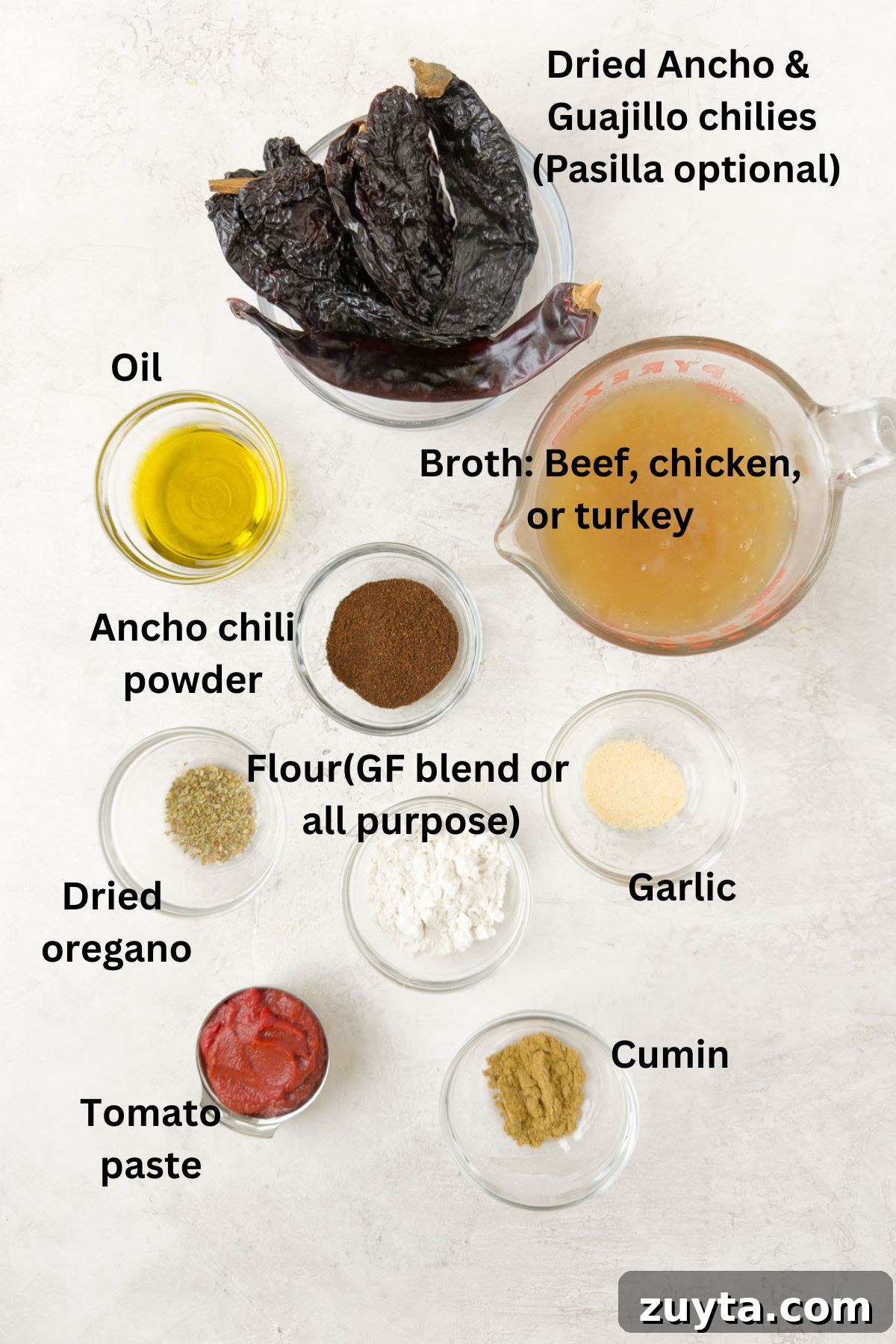
- Neutral oil — avocado, light olive, or another neutral cooking oil.
- Flour — for a quick roux: use a gluten-free blend or regular all-purpose flour.
- Dried chiles — a mix of dried ancho and guajillo chiles gives balanced flavor (mild to medium heat). Use all ancho for a milder sauce or adjust the ratio to taste.
- Spices — ancho chili powder, ground cumin, garlic powder, and dried oregano.
- Tomato paste — adds depth and umami.
- Broth — beef, chicken, or turkey broth to thin and deepen the sauce.
- Sweetener (optional) — a small amount of brown sugar, honey, or monk fruit to balance earthiness if needed.
Chef’s Tip: Buying Dried Chiles
Choose dried chiles that are soft and pliable rather than brittle. Fresh packages will have a strong, clean chile aroma and good color. If chiles feel dusty or crack easily, the flavor will be flat. Store extras airtight in a cool pantry or freeze for longer storage.
Substitutions and Variations
- Alternate chiles — pasilla, cascabel, or ñora chiles can be used for different but pleasant results.
- More heat — add a chile de árbol or a pinch of cayenne or chipotle powder when blooming the spices.
- Milder sauce — use primarily ancho chiles (for example, three ancho to one guajillo) for a sweeter, gentler heat.
Chef’s Tip: Why Toast Dried Chiles
A quick toast in a hot, dry skillet (15–30 seconds per side) awakens the chiles’ aromas and deepens flavor. Keep it brief — if chiles darken too much or begin to smoke they can develop bitterness.
How to Make Red Enchilada Sauce
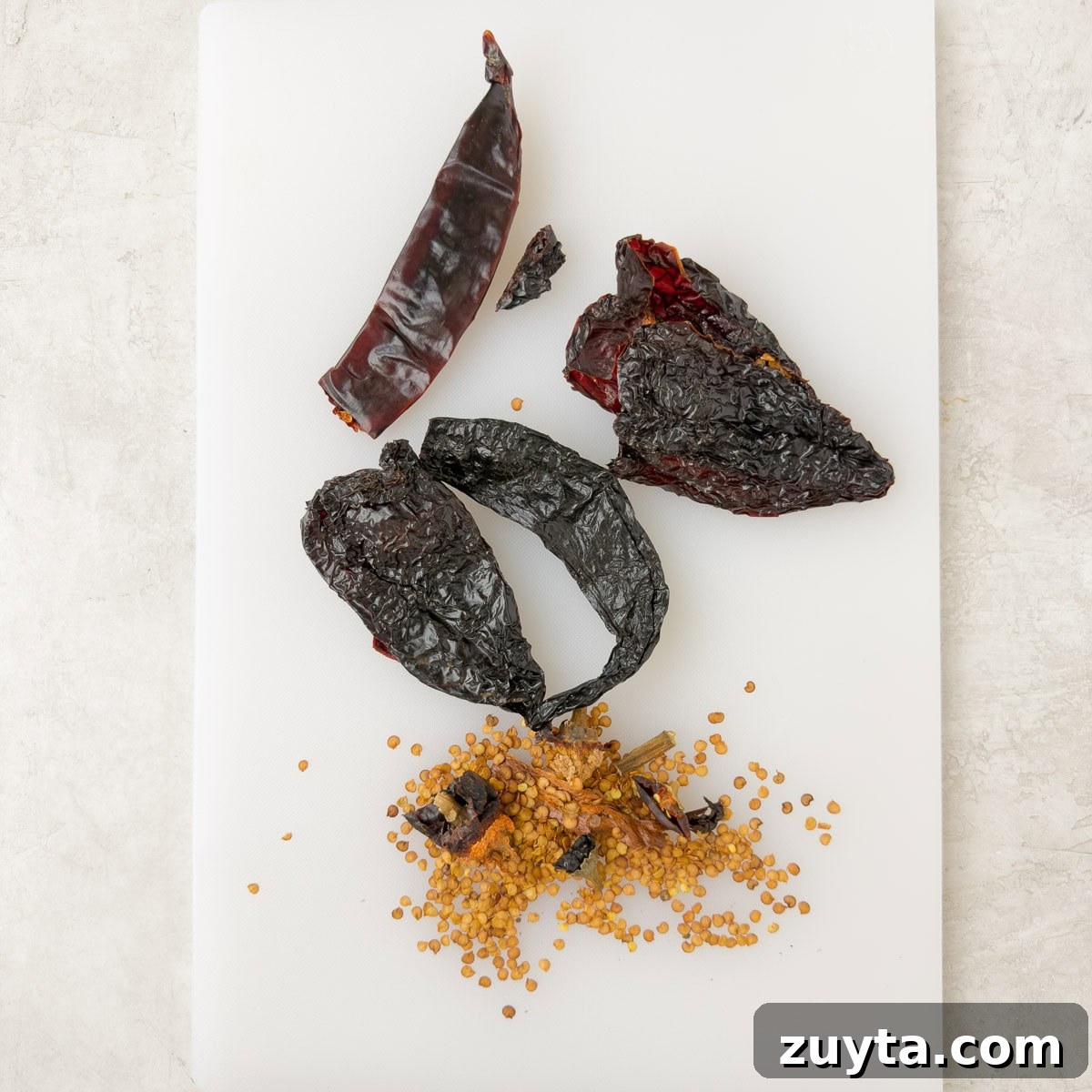
- Cut chiles open with scissors and remove stems and seeds. Shake or tap out the seeds and discard them.
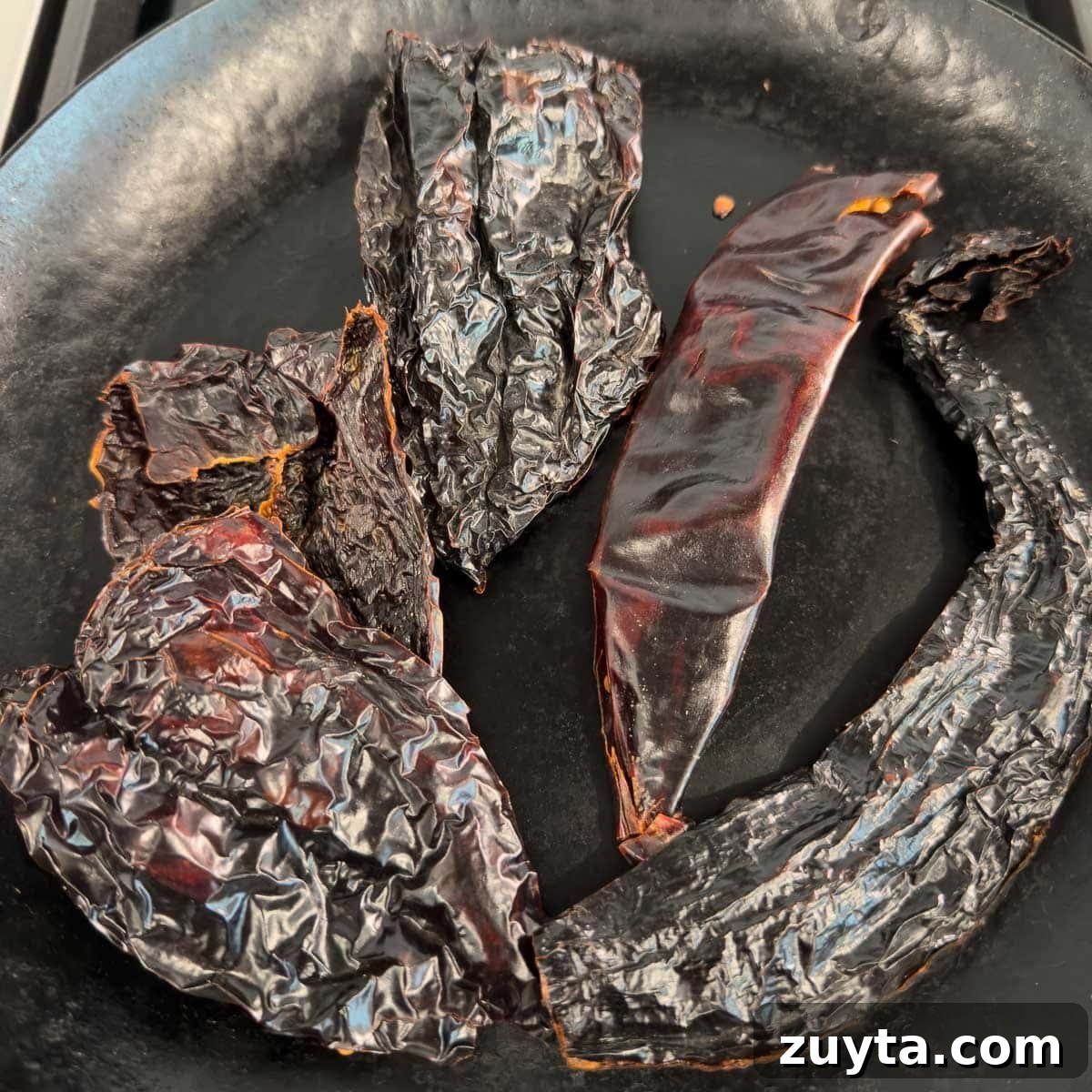
- Quickly toast the chiles in a hot, dry skillet, 15–30 seconds per side, just until fragrant. Avoid burning them.
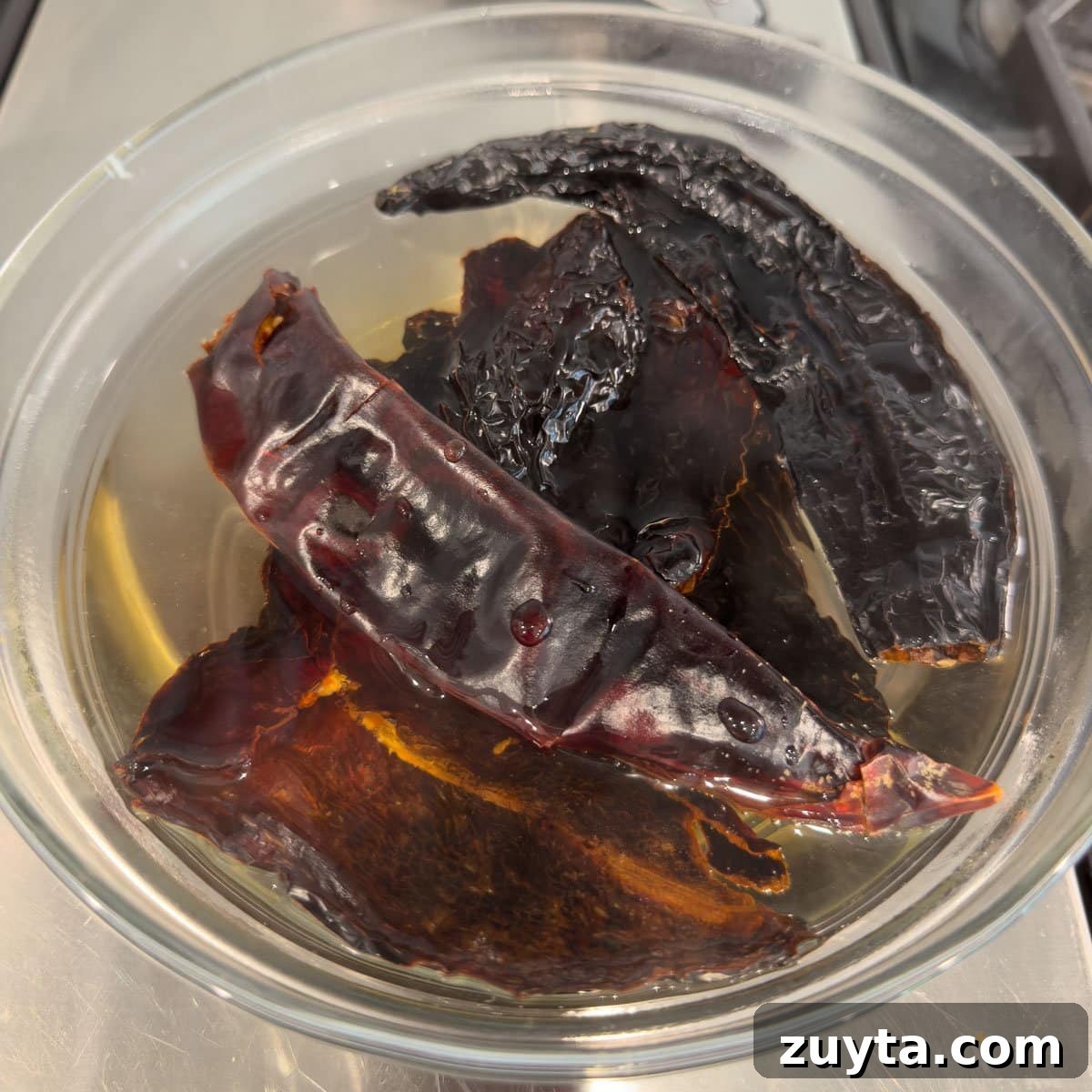
- Place toasted chiles in a bowl, cover with boiling water, and weigh them down with a small plate so they stay submerged. Soak for about 15 minutes until pliable.
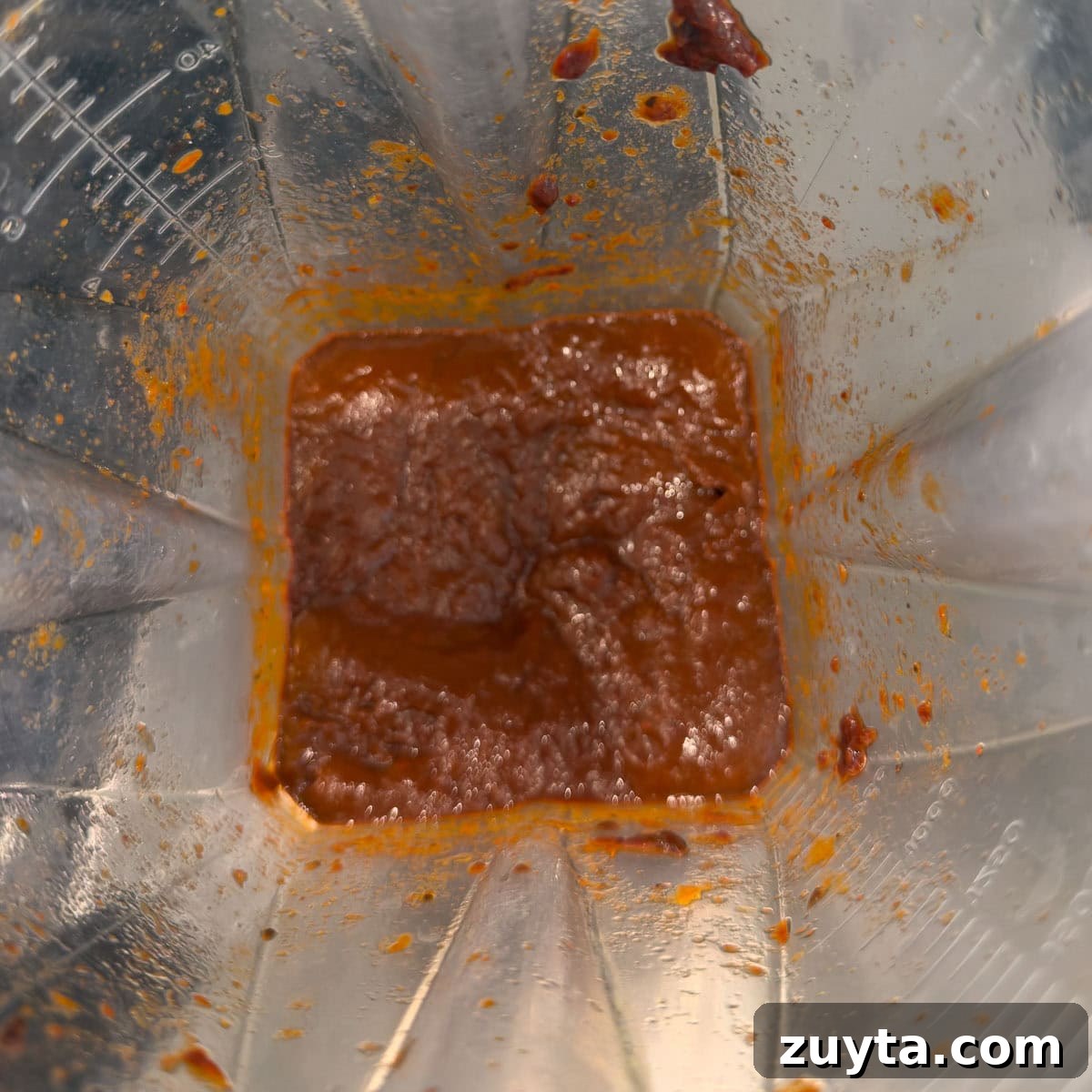
- Drain the chiles, reserving about ½ cup of the soaking liquid. Blend the chiles with that liquid until a thick paste forms. Add a tablespoon or two more liquid only if necessary to help blending.
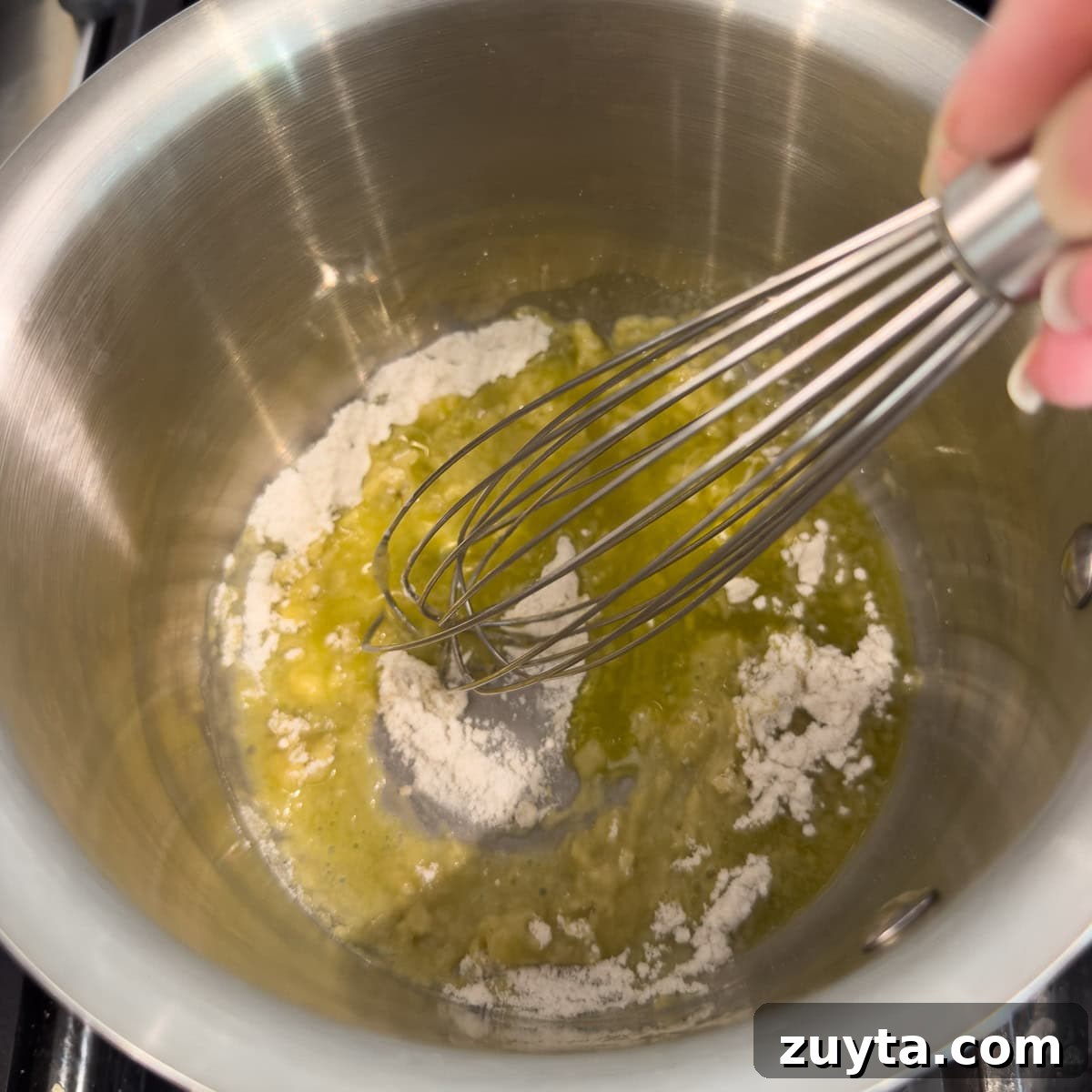
- In a small saucepan over medium heat, warm the oil and whisk in the flour to make a smooth roux. Cook 2–3 minutes over low heat to remove any raw flour flavor.
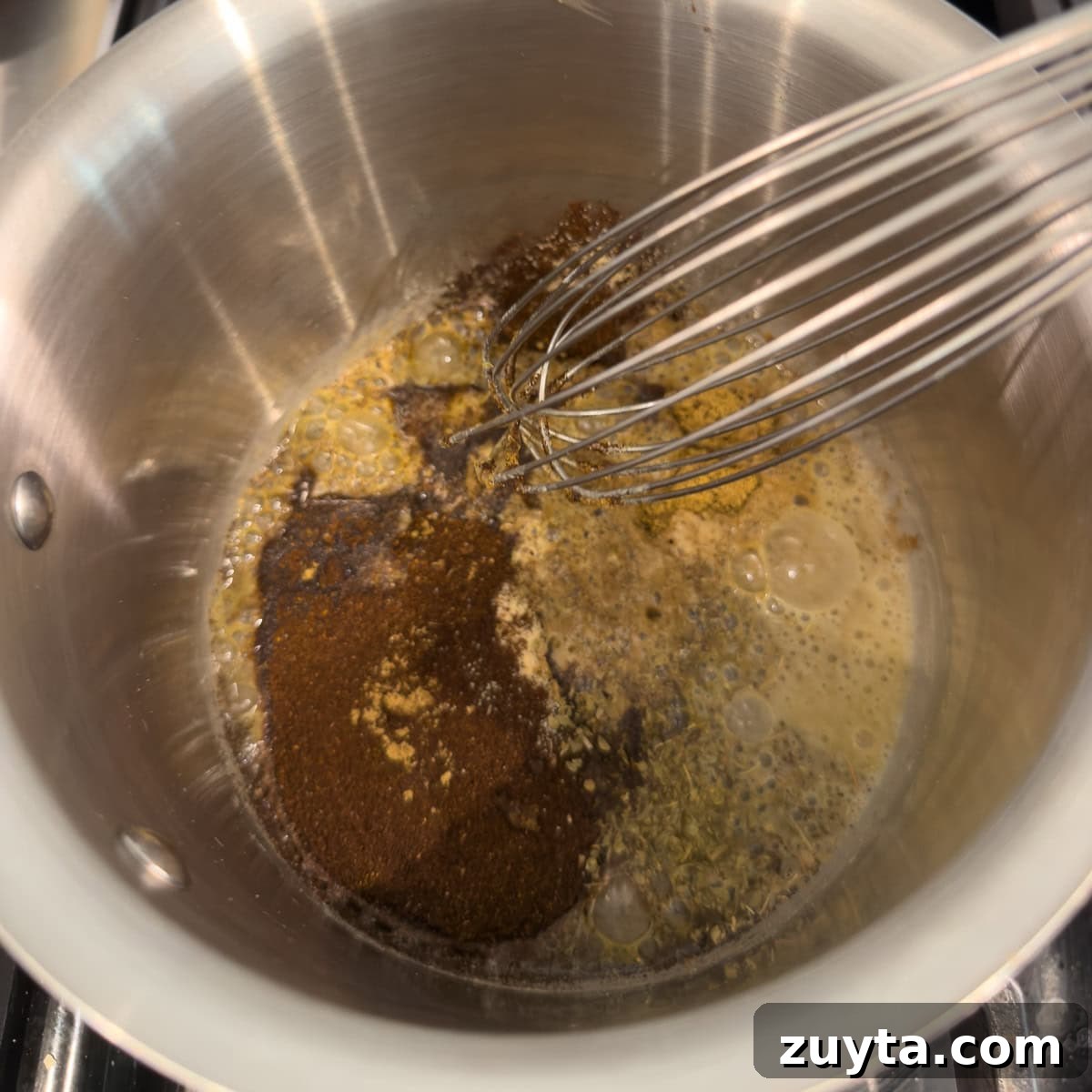
- Stir in the ancho chili powder, cumin, garlic powder, and oregano and cook 30–60 seconds to bloom the spices. Mix in the tomato paste and cook another 30 seconds.
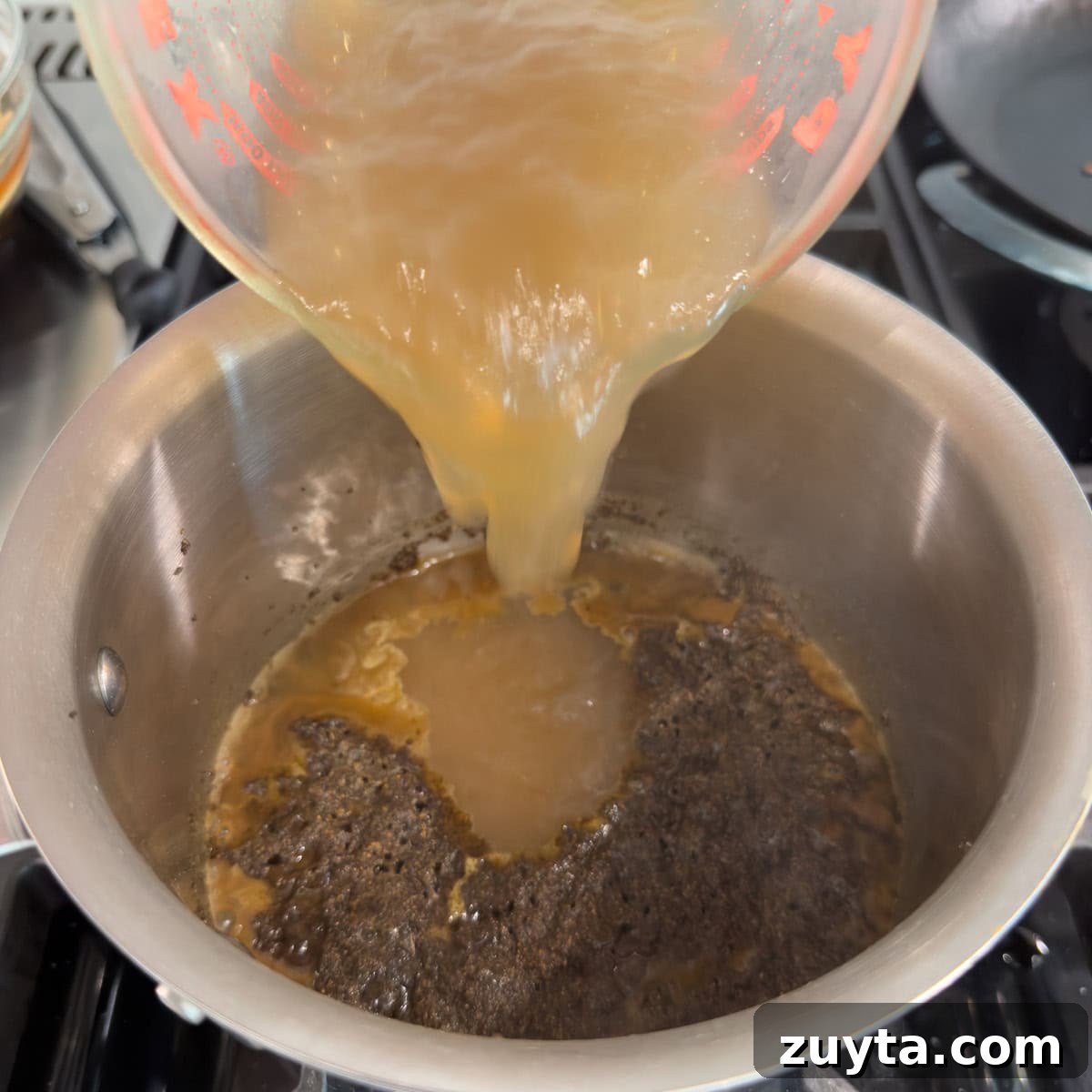
7. Whisk in the broth until the mixture is smooth, then simmer gently for 5–7 minutes to meld flavors.
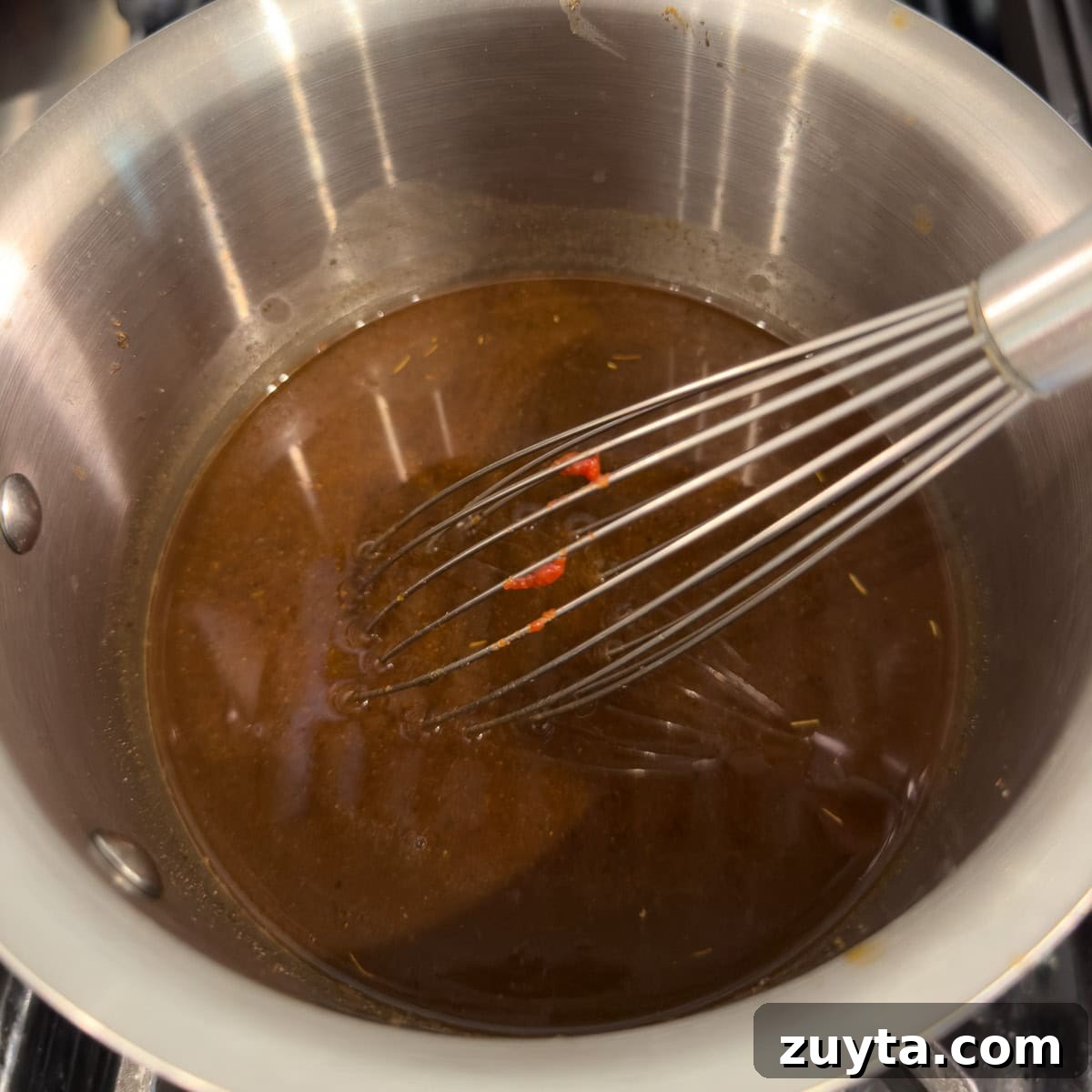
8. Whisk in about ½ cup of the blended chili paste, season with salt to taste (start with ½ teaspoon) and adjust. Simmer briefly until the sauce is the desired consistency, then remove from heat. The sauce is now ready to use.
Chef’s tip — taste and adjust: Dried chiles vary in flavor and intensity. If the sauce tastes too earthy or slightly bitter, stir in more tomato paste and a small pinch of sugar (start with 1–2 teaspoons) to balance it. If the sauce is too concentrated, thin with a little broth or water. To thicken, whisk in a slurry of 2 teaspoons cornstarch mixed with 2 teaspoons cold water and cook 1–2 minutes.
Serving Suggestions
This red enchilada sauce works in many ways beyond baked enchiladas. Use it wherever you want a rich, savory chile flavor.
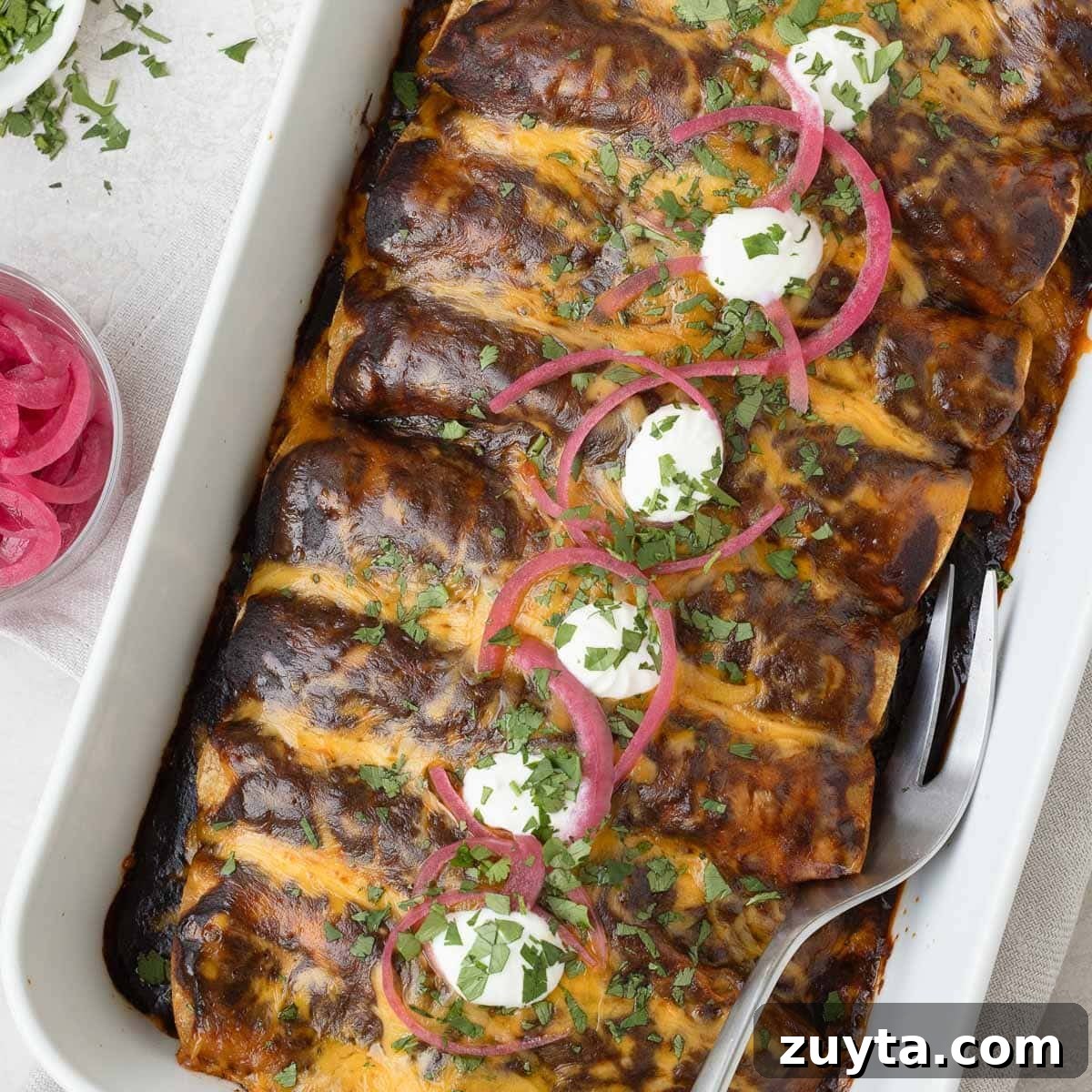
- Enchiladas — Pour over rolled enchiladas and bake until bubbly.
- Tacos and wraps — Spoon on shredded beef, chicken, or roasted vegetables.
- Eggs — Drizzle over scrambled eggs, omelets, or breakfast tacos.
- Burrito bowls — Add to rice bowls with beans, vegetables, and protein.
- Dipping sauce — Serve warm with quesadillas, taquitos, or potato wedges.
Storage and Freezing
Cool completely, then refrigerate in an airtight container for up to 5 days. Freeze for up to 3 months in jars or freezer-safe containers; leave some headspace to allow for expansion. Freeze in smaller portions for easy thawing and use.
Thaw and Reheat
Thaw overnight in the refrigerator and reheat gently on the stovetop. If the sauce thickens after chilling, whisk in a splash of broth or water to loosen it while warming.
Recipe FAQs
Bitterness usually comes from over-toasting the dried chiles or from using old, degraded chiles. Toast briefly until fragrant and pliable — avoid charring or excessive darkening.
Sauce thickens as it simmers and tends to thicken more when cooled. If it’s too thick, thin with broth or water. If it’s too thin, simmer a few minutes to reduce, or add a cornstarch slurry (2 teaspoons cornstarch mixed with 2 teaspoons cold water) and cook briefly to thicken.
More Great Mexican-Inspired Recipes
If you enjoy this sauce, try other Mexican-inspired recipes such as green enchilada sauce, tomatillo soups, smoky queso, and tortilla soup to complement the flavors.
-
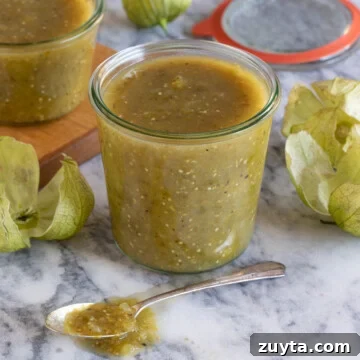
Green Enchilada Sauce with Tomatillos
-
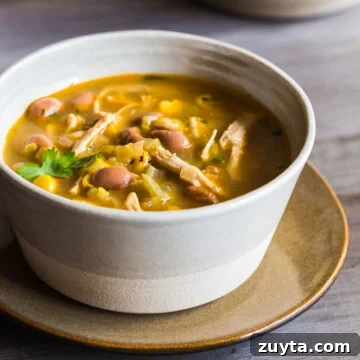
Tomatillo Soup (with Chicken or Turkey)
-
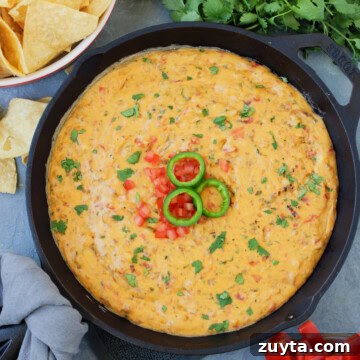
Smoked Queso Dip with Real Cheese
-
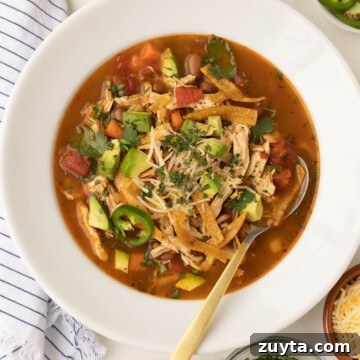
Mexican Chicken Tortilla Soup
If You Make Enchilada Sauce
I appreciate hearing how recipes turn out — if you make this sauce, please leave a comment describing what you liked or any tweaks you made. Your feedback helps other cooks.
📖 Recipe
From-Scratch Red Enchilada Sauce (Gluten-free option)
Equipment
- Blender
Ingredients
Chili paste (makes about 1 cup, enough for 2 batches)
- 2 dried guajillo chiles
- 2 dried ancho chiles
- ½ cup reserved chili soaking water
Red enchilada sauce
- 2 tablespoons oil (avocado or light olive)
- 2 tablespoons flour (use gluten-free blend if desired)
- 2 tablespoons ancho chili powder
- 1 teaspoon ground cumin
- ½ teaspoon garlic powder
- ½ teaspoon dried oregano
- ¼ cup tomato paste
- 2 cups beef or chicken broth
- ½ teaspoon salt, adjust to taste
Instructions
Make the chili paste
- Bring water to a boil and prepare the chiles: trim tops or slice lengthwise, remove stems and seeds, tear into pieces, and place in a heatproof bowl.
- Cover the chiles with boiling water and weigh them down with a small plate so they stay submerged. Soak 15 minutes until soft and pliable.
- Drain, reserving about ½ cup of the soaking liquid. Blend the chiles with that liquid into a smooth, thick paste. Add a little more liquid only as needed to keep the blender blades moving.
Make the enchilada sauce
- Heat oil in a small saucepan over medium heat. Whisk in the flour to make a roux and cook 2–3 minutes over low heat to remove any raw flour taste.
- Add the chili powder, cumin, garlic powder, and oregano and cook 30–60 seconds to bloom the spices. Stir in the tomato paste and cook 30 seconds more.
- Whisk in the broth until smooth and simmer 5–7 minutes. Stir in ½ cup of the chili paste, taste, and add salt as needed. Simmer until the sauce reaches the desired thickness.
- If the sauce is too thick, thin with a splash of broth or water. If it is too thin, simmer a little longer or thicken with a cornstarch slurry.
Notes
For a classic flavor use a mix of dried ancho and guajillo chiles. Pasilla, cascabel, or ñora chiles are also good options. Adjust the chile blend for milder or hotter sauce: more ancho for milder, add chile de árbol or cayenne for more heat. Start with less heat and add more as needed — it’s easier to increase spice than to reduce it.