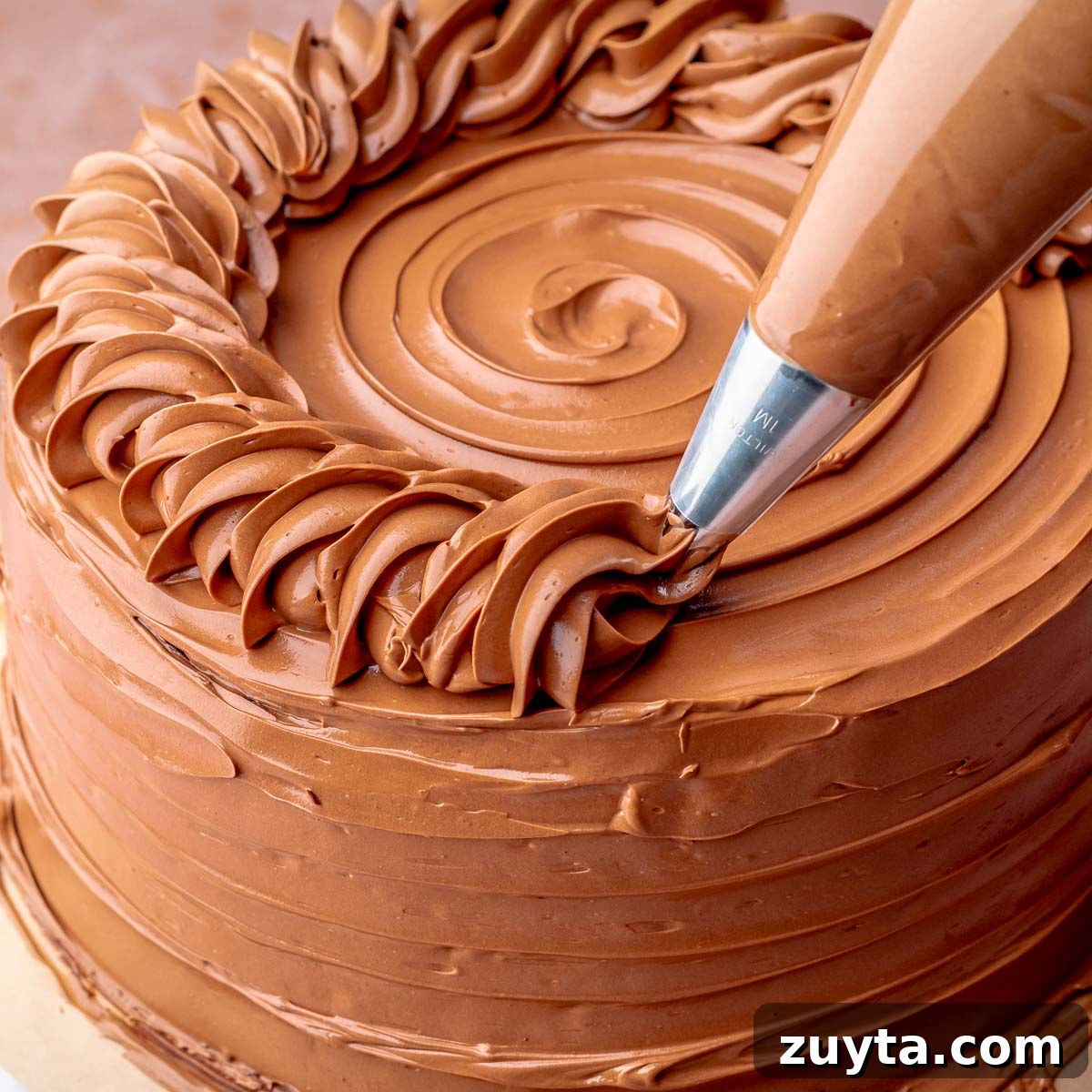
Rich, silky, and smooth, this chocolate Swiss meringue buttercream is the chocolate frosting of your dreams. Made from just four main ingredients—chocolate, egg whites, sugar, and butter—this buttercream is less sweet than American-style frostings and creates a stable, elegant finish ideal for cakes, cupcakes, and sandwich fillings.
The recipe yields a deeply chocolate-forward buttercream with an irresistibly silky texture from the stable emulsion of whipped meringue and butter. It pipes beautifully for decorations, holds up well in warm weather, and has a refined sweetness that highlights the chocolate.
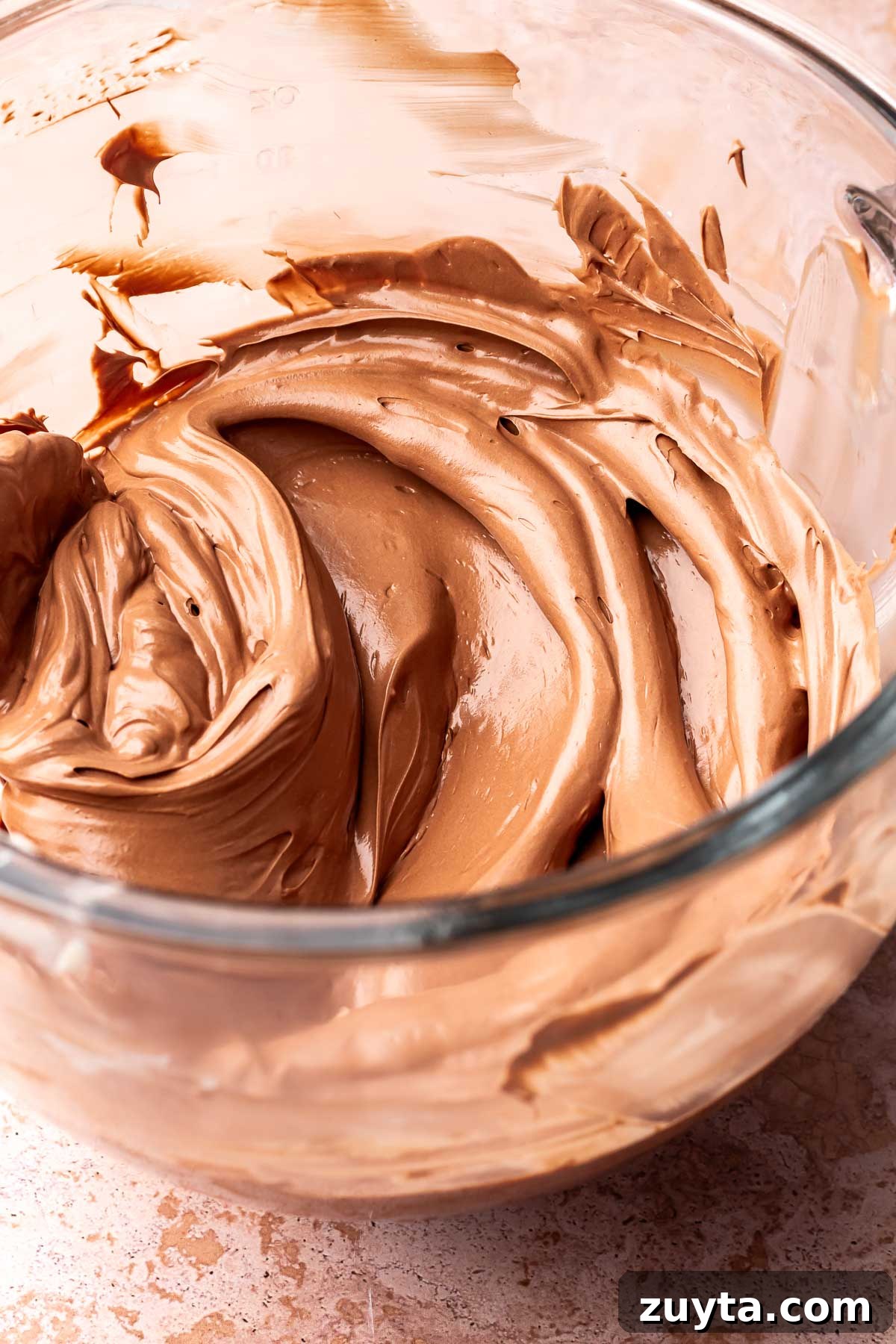
This chocolate version is the counterpart to a strawberry Swiss meringue buttercream and pairs exceptionally well with layer cakes, cupcakes, and cookies. Try it on a multi-layer chocolate cake, classic chocolate cupcakes, or as a rich filling for sandwich cookies or whoopie pies.
Why You’ll Love This Recipe
Silky, not overly sweet — Whipping egg whites with sugar produces a light meringue base that keeps the buttercream airy while the chocolate provides deep flavor without excessive sweetness.
Intensely chocolatey — Use a quality semi‑sweet chocolate (60–70% cacao) for a bold but balanced chocolate profile.
Stable and pipeable — This buttercream holds its shape well for piping, layering, and filling. It remains stable in a range of temperatures, so it’s reliable for both warm and cool environments.
Ingredients
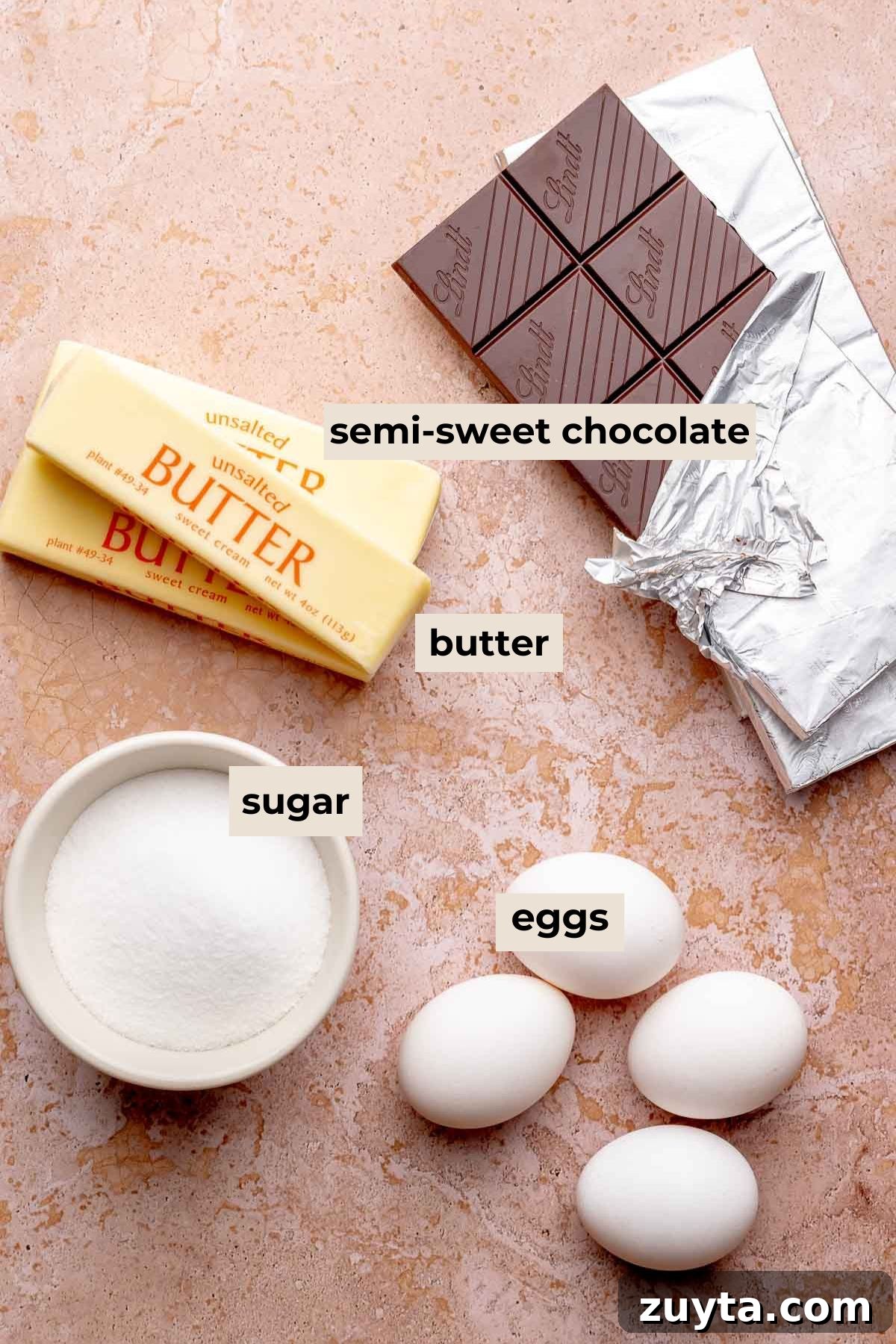
- Semi‑sweet chocolate — A good quality chocolate bar with 60–70% cacao (chopped, melted, and cooled).
- Granulated sugar — Sweetens and stabilizes the egg whites when heated.
- Egg whites — Whipped into a stable Swiss meringue to create a light structure.
- Unsalted butter — Adds richness and the glossy, silky texture; use true room temperature butter (about 66°F) and cut into small pieces for easier incorporation.
See the recipe section below for exact quantities and the full ingredient list.
Substitutions and Variations
- White chocolate: Replace the semi‑sweet chocolate with 10 oz white chocolate and reduce the butter by 2 tablespoons.
- Milk chocolate: Substitute milk chocolate (10 oz) and reduce the butter by 2 tablespoons for a milder, sweeter finish.
- Mocha buttercream: Stir 1 tablespoon espresso powder into the melted chocolate for a coffee‑infused version.
- Salted chocolate: Mix in 2 teaspoons flaky sea salt with the melted chocolate for a salt‑and‑sweet contrast.
How to Make This Recipe
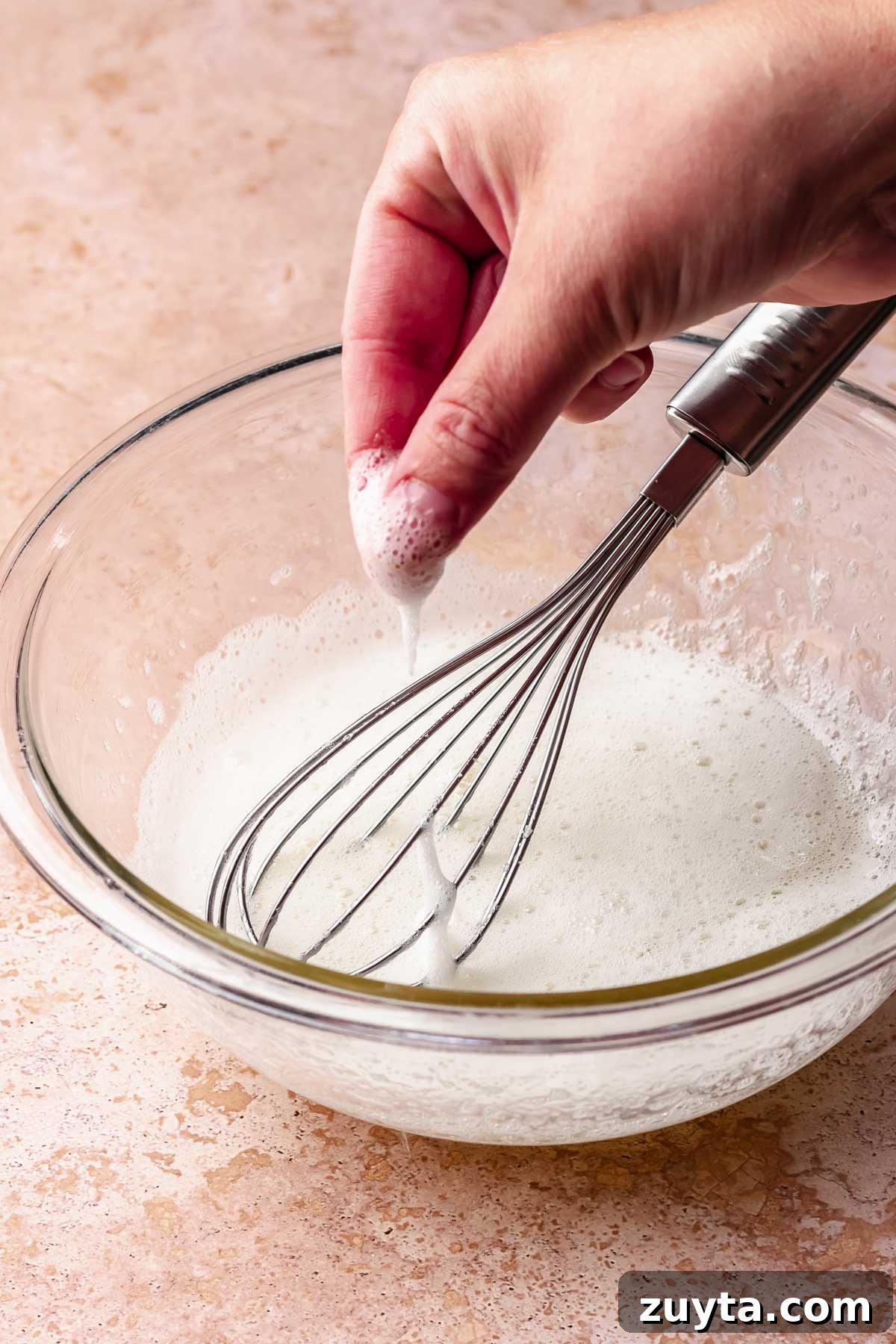
Step 1: Combine egg whites, sugar, and salt in a heatproof bowl set over simmering water (bain‑marie). Whisk constantly until the mixture is warm and the sugar dissolves—about 160°F or until you can no longer feel sugar grains between your fingers.
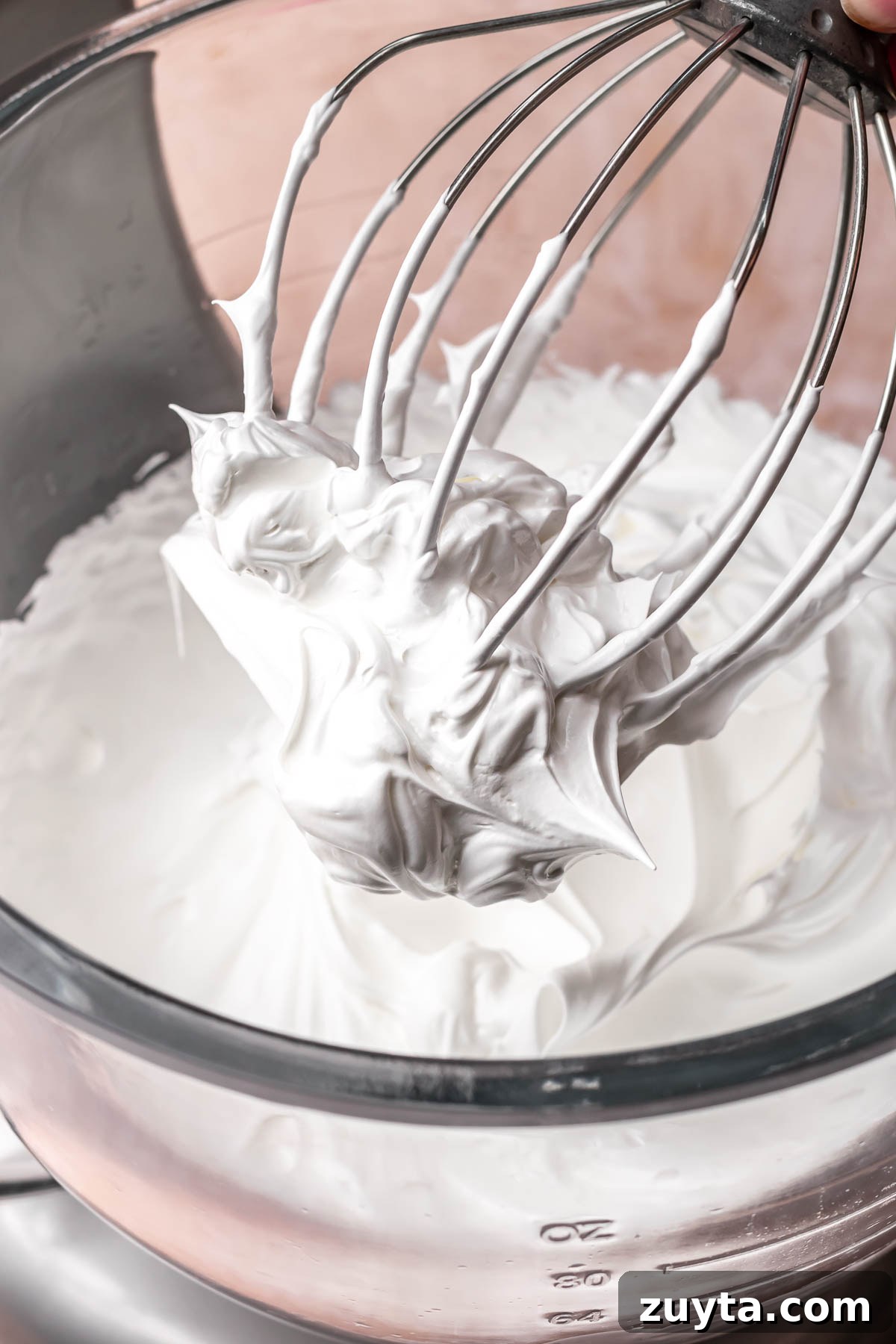
Step 2: Transfer the warm mixture to a stand mixer fitted with the whisk attachment and whip on high until stiff peaks form—this can take up to 15 minutes depending on humidity and temperature.
Tip: The mixing bowl should feel cool or only slightly warm after whipping. If it’s still warm, let the meringue cool completely before adding butter.
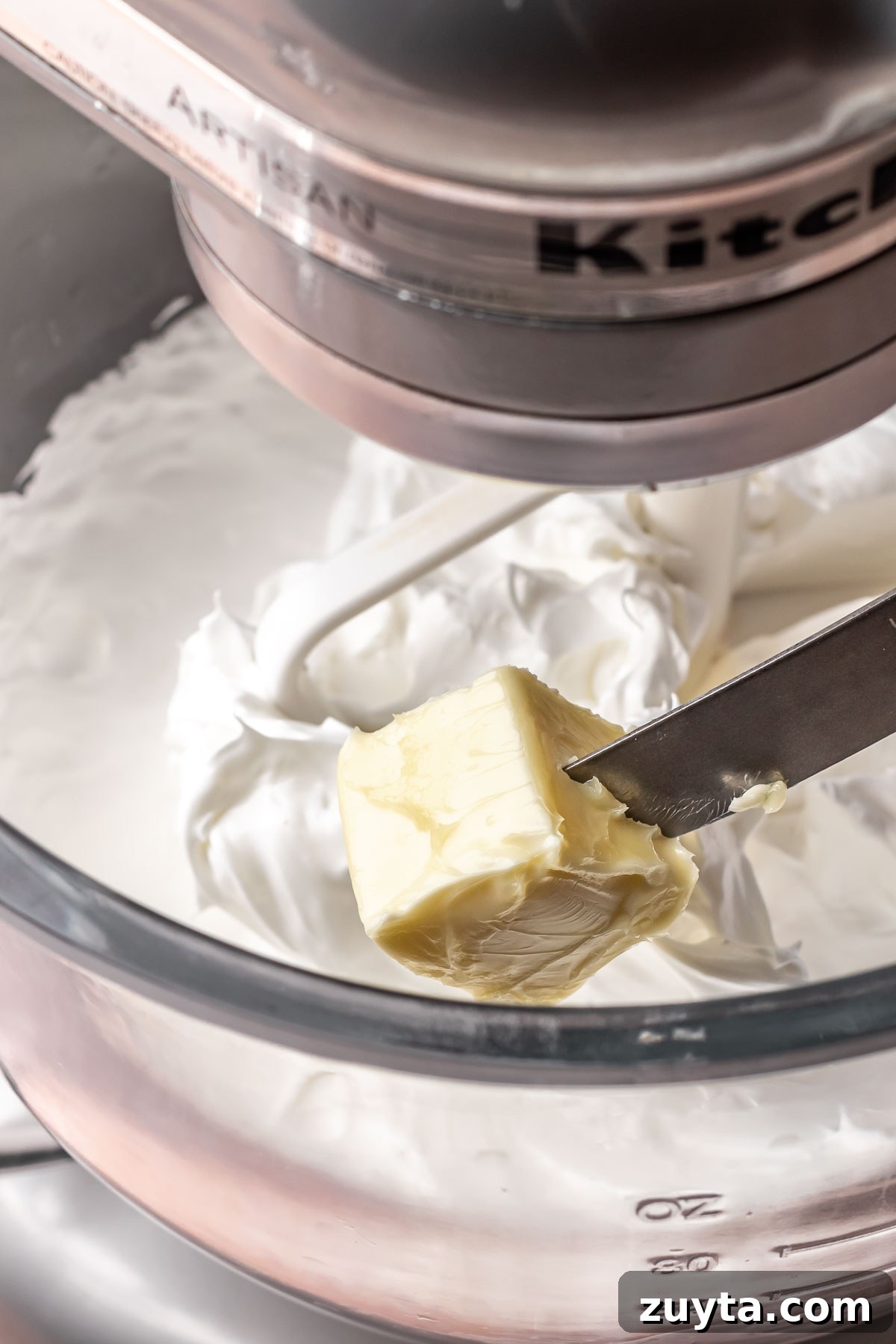
Step 3: Switch to the paddle (or continue with the whisk) and add the room‑temperature butter in 2‑tablespoon increments on medium‑low speed, allowing each addition to incorporate before adding more.
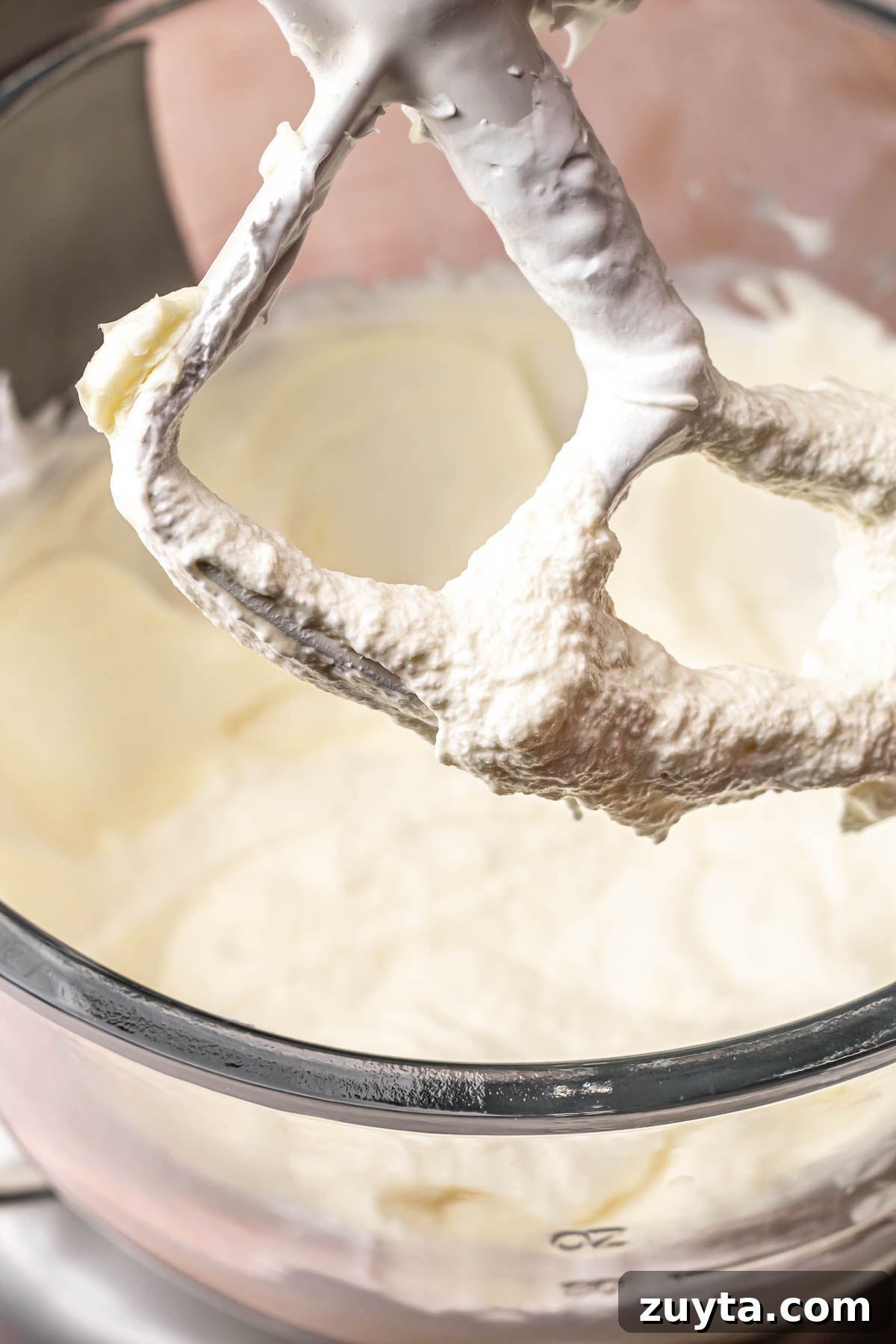
Step 4: The mixture may appear curdled or grainy as you add butter—this is normal. Continue whipping; it will come together.
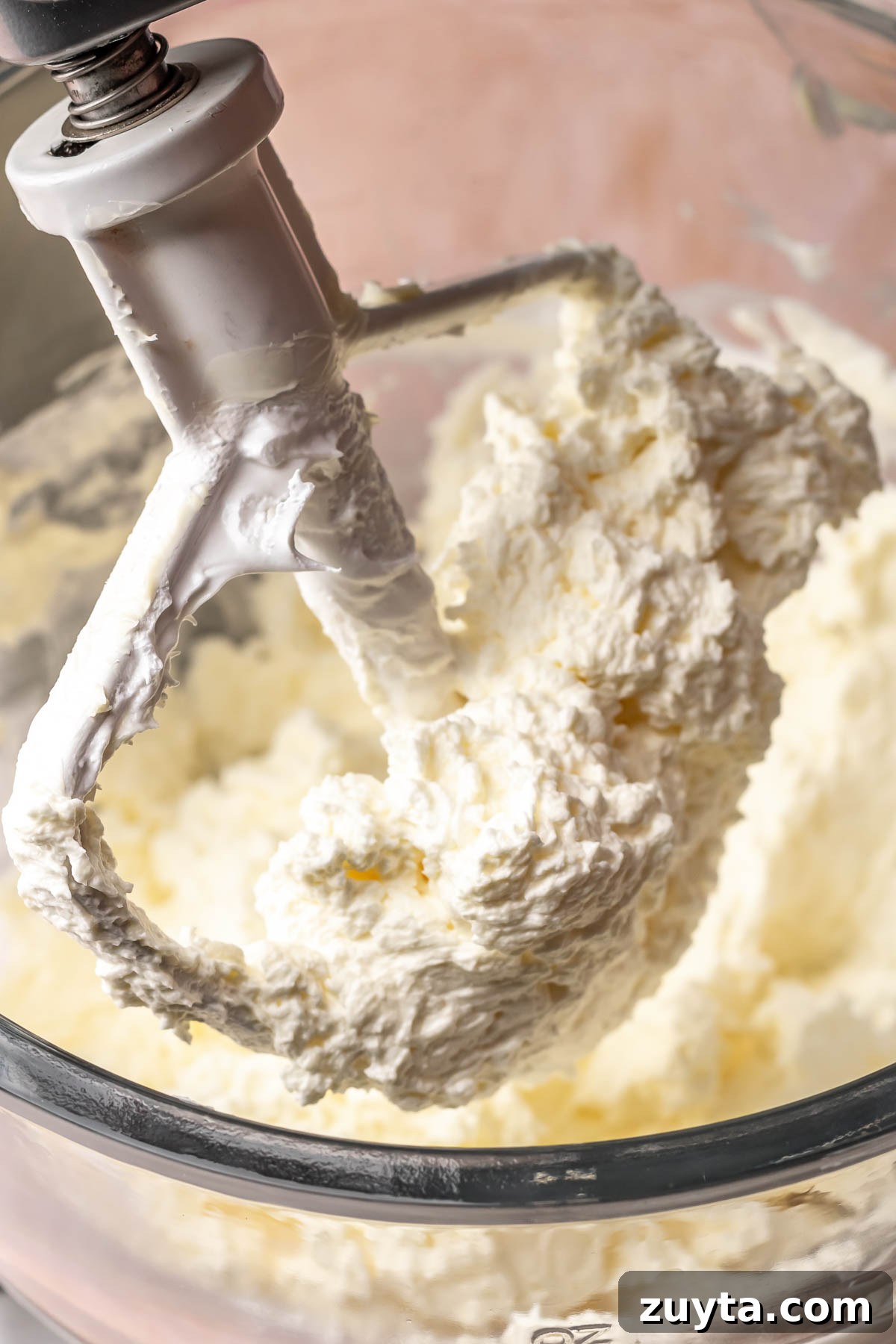
Step 5: Whip until the buttercream is very smooth and glossy.
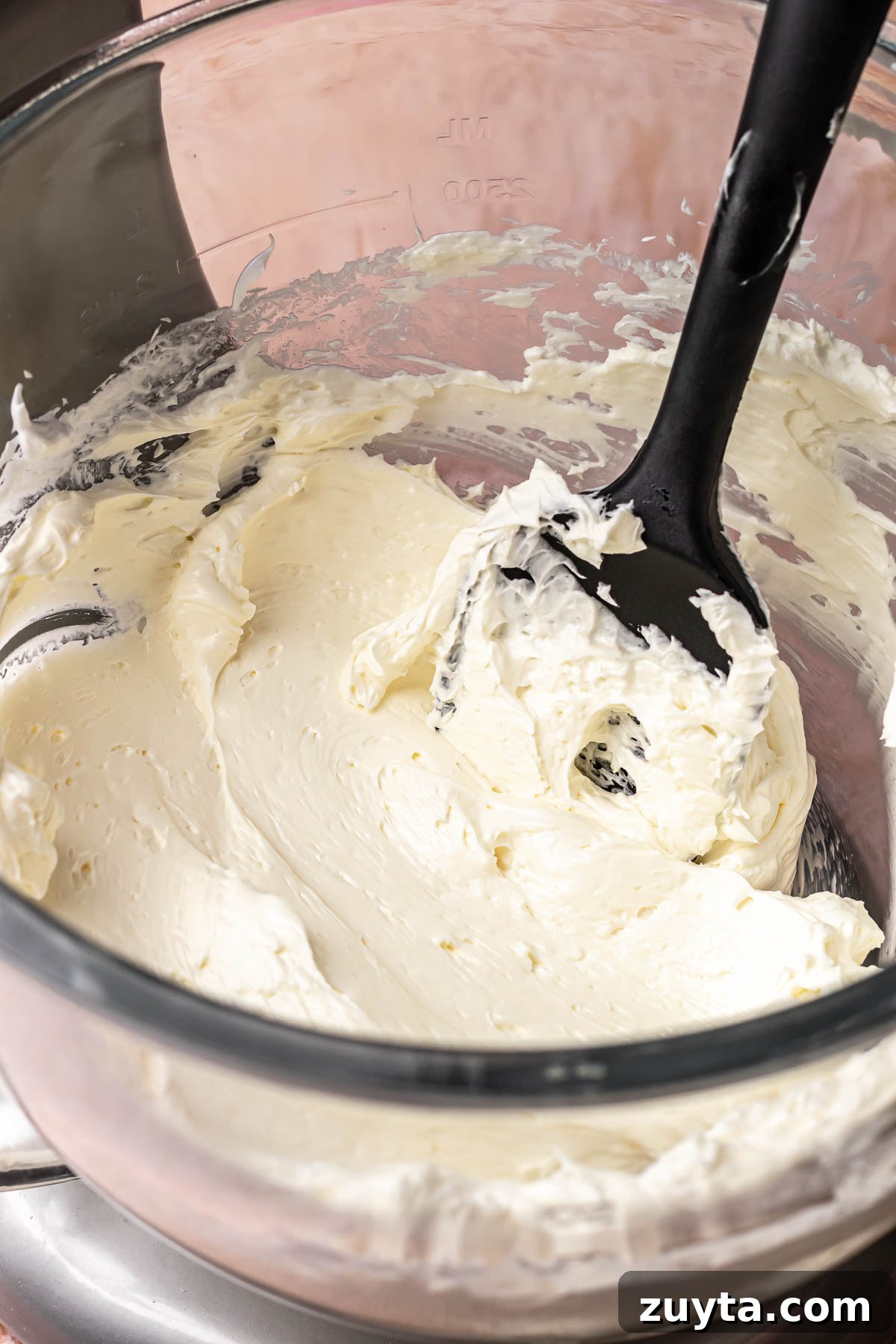
Step 6: Check the texture with a spatula and continue mixing if any lumps remain.
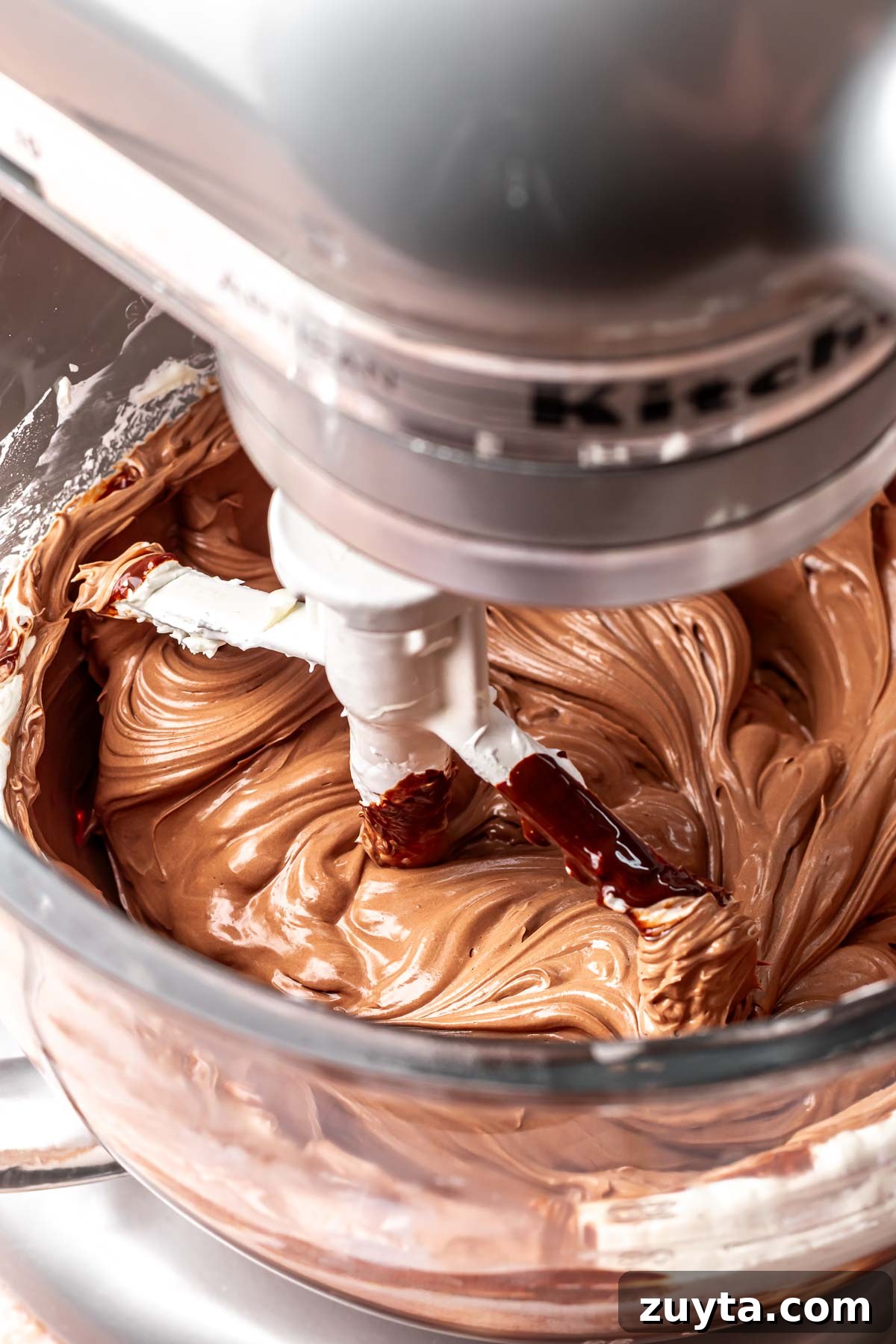
Step 7: Add the cooled, melted chocolate and mix on low until fully combined.
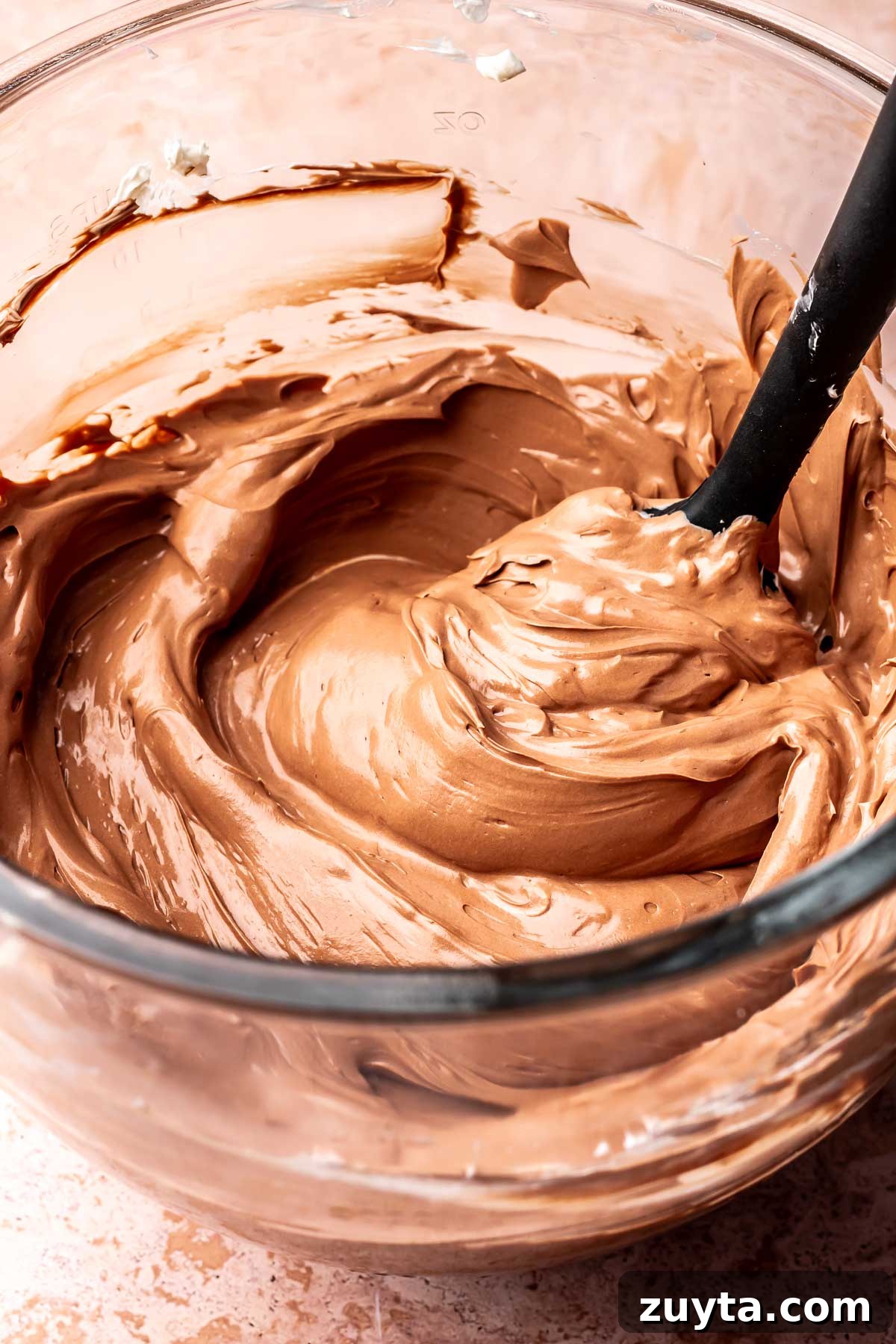
Step 8: Finish folding the chocolate in by hand, scraping the bowl until the buttercream is completely smooth. Use immediately for frosting, piping, or as a filling.
Expert Tips
- Heat the egg whites and sugar thoroughly: If sugar remains undissolved the buttercream can be grainy. The mixture should feel warm and smooth.
- Cool the meringue before adding butter: If the meringue is warm the butter will melt and the frosting will be runny.
- Use properly tempered butter: Butter that is too cold or too soft will make the texture difficult to achieve. Aim for around 66°F (room temperature).
- Don’t panic if it looks curdled: The appearance often improves after several minutes of whipping.
- Chocolate temperature: Ensure melted chocolate is cooled to room temperature before adding so it won’t melt the butter.
How to Fix Broken Swiss Meringue Buttercream
Swiss meringue buttercream is forgiving. If something goes wrong, try these fixes based on the symptom.
1. Too soupy (runny)
Cause: Butter or meringue was too warm when combined.
- Refrigerate the bowl for 15–20 minutes, then whip again until fluffy.
- If still thin, add 1–2 tablespoons cool room‑temperature butter and whip on medium‑high speed.
2. Curdled or grainy
Cause: Cold butter added too quickly or incomplete whipping.
- Keep whipping—most curdling resolves after 5–10 minutes.
- If it persists, warm the bowl slightly with a warm towel or briefly dip the bottom in hot water for 15–30 seconds, then whip again.
3. Too stiff or greasy
Cause: Butter was too cold or the mixture was overwhipped.
- Warm the bowl briefly by setting it in hot water for about 10–15 seconds, then mix until smooth.
- If greasy, switch to the paddle attachment and mix on low for 2–3 minutes to improve texture.
With patience, you can almost always bring a Swiss meringue buttercream back to a perfect texture.
Recipe FAQs
If the butter or chocolate was too warm when added, the buttercream can become thin. Chill the bowl for 10–15 minutes, then re‑whip until thick and creamy.
This commonly occurs after adding butter. Continue whipping—the mixture should come together. If it doesn’t, check temperatures and use the fixes above.
Yes. Store airtight in the refrigerator for up to 1 week or freeze for up to 3 months. Bring to room temperature and re‑whip before using.
Yes, but it takes longer to reach stiff peaks. Use a deep bowl and be prepared for extra mixing time.
Yes—use 100% egg whites with no additives and measure by weight if the recipe specifies grams.
Storage
Room temperature: Use immediately or store covered at room temperature for up to 1 day.
Refrigerator: Keep in an airtight container for up to 1 week. Bring to room temperature and re‑whip before using.
Freezer: Freeze in an airtight container for up to 3 months. Thaw overnight in the refrigerator, bring to room temperature, and re‑whip before use.
More Baking Basics Recipes
-
Strawberry Swiss Meringue Buttercream
-
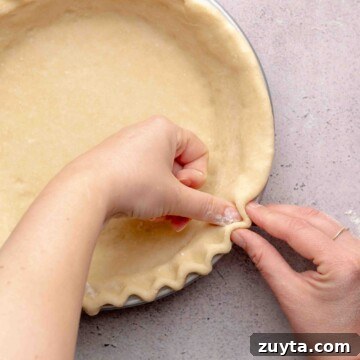
Sweet Pie Crust (for no‑bake fillings)
-
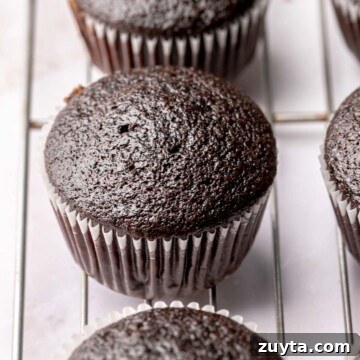
Moist Chocolate Cupcakes
-
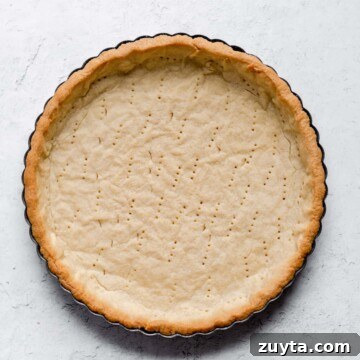
Sweet Tart Crust (Pâté Sucrée)
What to Know When Cooking with The Cozy Plum
- Recipes here are developed using Diamond Crystal kosher salt. If you use Morton’s kosher salt or coarse sea salt, adjust the amount downward because those salts are saltier by volume.
- Baking by weight yields the most consistent results. If your recipe card supports metric, prefer using a digital scale for accuracy.
- Use the recipe scaling tools in the recipe section (if available) to adjust quantities—note that baking times may not scale automatically.
Made this buttercream? Share a photo and your experience—bakers love seeing your results.
Recipe
Foolproof Chocolate Swiss Meringue Buttercream
Author: Callan Wenner
Prep Time: 20 mins · Cook Time: 5 mins · Total Time: 25 mins
Servings: 1 batch · Calories: 4766 kcal (estimate)
Course: Dessert · Cuisine: American / French / Swiss
Ingredients
- 10 oz semi‑sweet chocolate bar (60–70% cacao), chopped, melted & cooled
- 3/4 cup granulated sugar
- 4 large egg whites
- 1/4 teaspoon kosher salt
- 1 1/2 cups (3 sticks) unsalted butter, cool room temperature, cut into 2‑tablespoon pieces
Instructions
- Chop and melt the chocolate (double boiler or microwave in 20‑second bursts), then set aside to cool to room temperature.
- Place egg whites, sugar, and salt in a heatproof bowl over simmering water. Whisk constantly until the sugar dissolves and the mixture reaches about 160°F or feels warm and smooth.
- Transfer to a stand mixer fitted with the whisk attachment. Whip on high until stiff peaks form and the meringue is glossy (this can take up to 15 minutes).
- Switch to the paddle attachment and, on medium speed, add butter 2 tablespoons at a time, allowing each addition to incorporate before adding more. The mixture may look curdled—this will resolve with continued whipping.
- After all butter is incorporated and the mixture is smooth, add the cooled melted chocolate and mix on low until combined.
- Scrape the bowl and finish folding by hand if necessary. Use immediately or store as directed below.
Notes
This recipe yields enough buttercream to generously frost a multi‑layer cake or pipe about 24 cupcakes. You can use either the whisk or paddle attachment for most stages; both methods give excellent results. For detailed troubleshooting, see the “How to Fix Broken Swiss Meringue Buttercream” section above.