
This post is sponsored by Silver Hills Bakery.
You may have heard the term sprouted grains but might not know what makes them different or why they’re often recommended by nutrition-minded cooks. In this article I’ll explain what sprouted grains are, how sprouting changes their nutrition and digestibility, and why many people prefer sprouted grain bread and other sprouted products.

What are sprouted grains?
Sprouted grains are whole seeds that have been allowed to begin the germination process under controlled conditions of warmth and moisture. A whole grain seed contains three parts: the bran, the endosperm and the germ. When given the right environment, the seed begins to sprout into a new plant, which triggers natural biochemical changes inside the grain. Historically, some grains would sprout naturally during storage or processing, but modern milling typically prevents this. Intentionally sprouting grains before using them in bread, cereal or other foods taps into those natural processes to alter the grain’s texture and nutrient profile.

Sprouting unlocks nutrition in three simple steps
- Seed: The whole grain is a seed with bran, germ and endosperm. Seeds contain protective compounds that keep nutrients locked away until germination.
- Soak: Soaking the seed activates enzymes that signal the seed to begin growth and starts the breakdown of some storage compounds.
- Sprout: As the sprout develops, the grain’s internal chemistry shifts and certain nutrients become more available while some indigestible components are reduced, making the grain easier to digest.

Eight health advantages of sprouted grains
- Improved digestibility and greater bioavailability of minerals such as iron, manganese and calcium
- Increased vitamin C content
- Higher levels of folate
- More antioxidants compared with unsprouted grains
- Reduction in certain insoluble fibers that can be hard to digest
- Relative increase in soluble fiber, which supports healthy digestion
- Often a lower glycemic index, which can help moderate blood sugar response
- Reduced levels of gluten in some sprouted wheat products
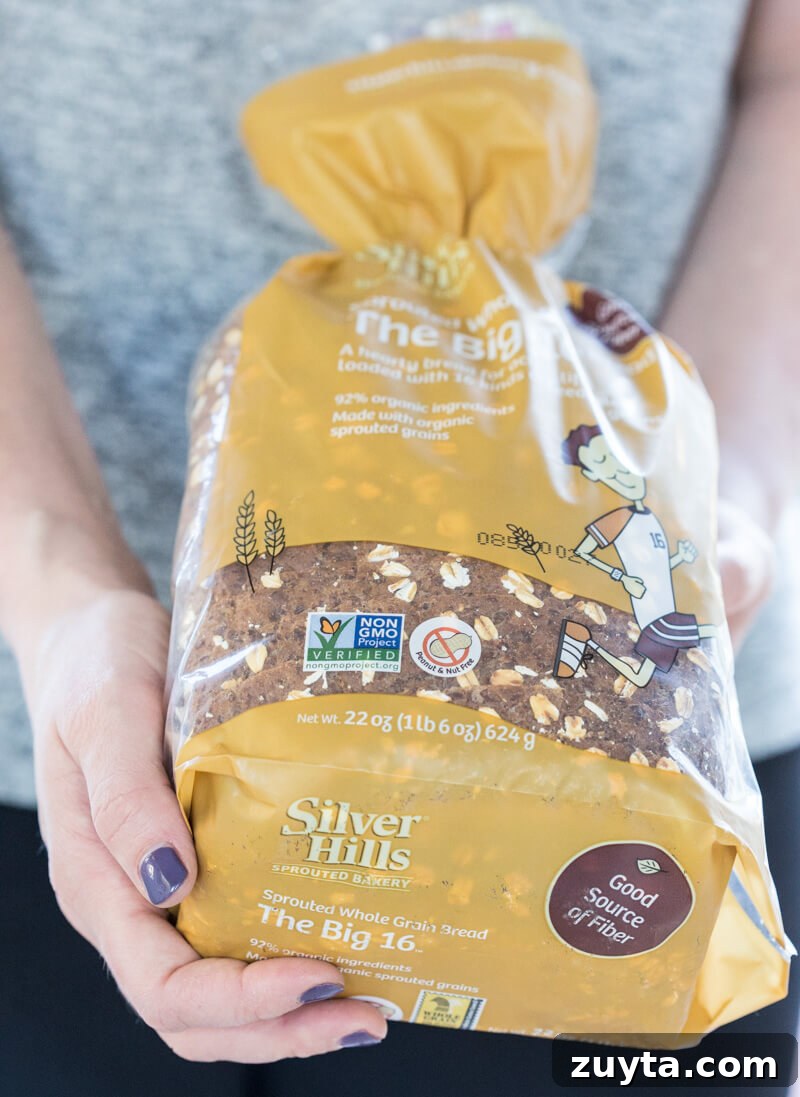
How does sprouted grain bread taste?
The flavor and texture of sprouted grain bread are often described as nuttier and chewier than conventional bread. Because the grain has begun to germinate, you’ll often notice a richer, slightly more complex flavor and a satisfying chew. Many people find sprouted bread tastes hearty and wholesome without being dense. When seeds, nuts or whole sprouted kernels are added to the dough, they contribute crunch and extra savory notes that work well both toasted and fresh from the loaf.
I’ve been impressed by several sprouted grain breads from Silver Hills Bakery. Their loaves have a pleasant texture and real seed-forward flavor—one favorite includes sunflower and sesame seeds with a touch of raisin nectar, which gives it a subtly sweet, nutty profile. If you enjoy breads with seeds and a chewy crumb, sprouted grain loaves are worth trying.
If you’re in Orlando, Silver Hills Bakery products are commonly available at retailers such as Whole Foods, The Fresh Market and Target.

About Silver Hills Bakery
Silver Hills Bakery is a family-owned company focused on plant-based, non-GMO ingredients and sprouted grain techniques. They emphasize quality ingredients and traditional methods that preserve the benefits of whole grains. Many people choose their sprouted breads for the texture, taste and the potential nutritional advantages associated with sprouting.