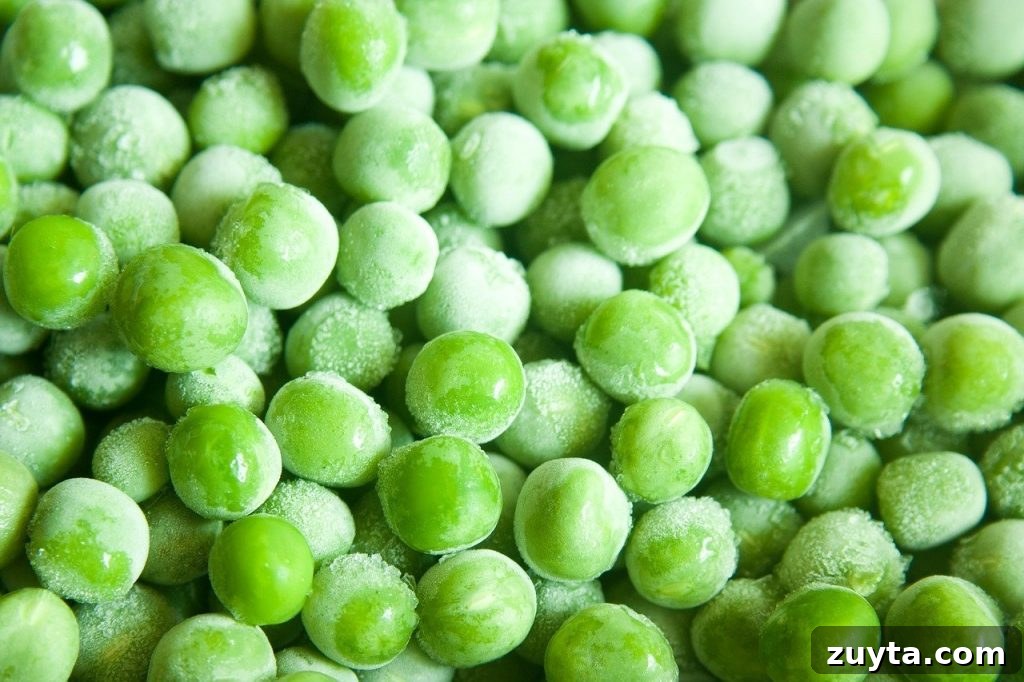
School meals demand healthy, flavorful food prepared within tight time, budget, and labor constraints. Using a freezer as a pantry keeps concentrated flavor and prepped ingredients on hand so kitchens can work faster, reduce waste, and preserve seasonal produce. A well-stocked freezer pantry makes it easy to add fresh taste and nutrition to menus year-round while reducing reliance on high-sodium canned products.
A Practical Approach
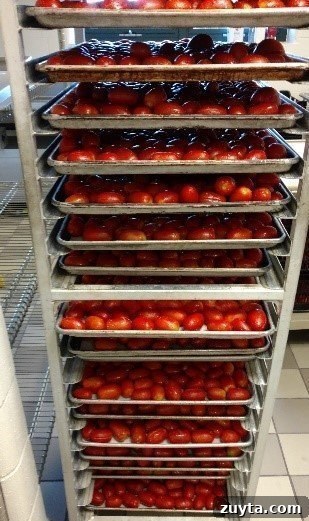
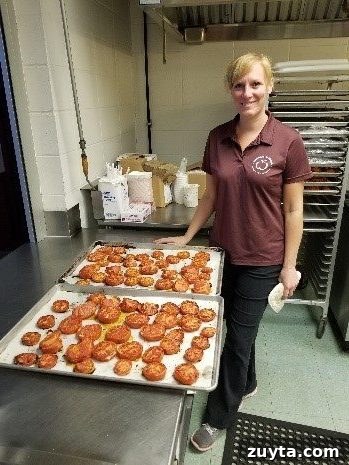
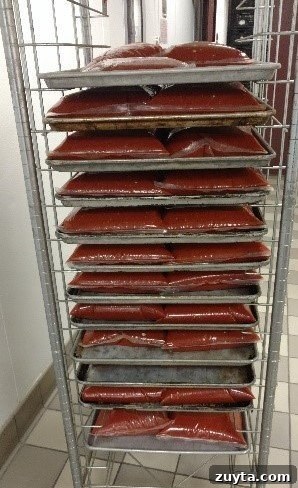
In my school district in Maine, the growing season is short. At the end of harvest each year I purchased a large quantity of tomatoes from a local farmer—about 2,000 pounds—at a good price. We roasted, portioned, and froze the tomatoes so all kitchens in the district could pull out roasted local tomatoes whenever a recipe called for canned tomatoes. The result was brighter flavor, lower sodium, and a reliable supply of local produce outside the growing season. Freezing in bulk like this is a practical way to preserve seasonality, save money, and keep menus tasting fresh without extra daily effort.
Below are practical ways to use the freezer pantry for quick, flavorful, low-waste school meal preparation. These methods support batch cooking, consistent taste, and better inventory control.
- Ginger: buy in bulk and mince in a robot coupe or food processor. Portion into small containers (for example, 2 oz or whatever your standard recipe requires) and freeze. Pull out measured portions as needed to save prep time and maintain consistent flavor.
- Garlic: purchase peeled garlic in larger quantities and process to a minced consistency. Portion and freeze in small containers so recipes get uniform seasoning without daily peeling and chopping.
- Citrus juice: use freshly squeezed, pasteurized lemon or lime juice and freeze in measured portions. Frozen juice is a convenient, long-lasting way to add acidity and brightness to dressings, marinades, and recipes without single-use waste.
- Cook once, serve twice: prepare extra taco meat, pulled pork, chili, or other base proteins and freeze in portions. Reheat for baked potato bars, grain bowls, or sandwich specials to offer a popular menu with much of the work done ahead of time.
- Vegetable scraps and extras: save leftover or near-prime vegetables in a freezer bag. When you have enough, make vegetable stock to add flavor to soups and stews as a lower-sodium alternative to store-bought broth.
- If freezing stock, use pan liners in hotel pans. Freeze the stock in the pan, then wrap the frozen block in the liner and plastic wrap before storing in boxes in the freezer for easy stacking and portioning.
- Tip: thaw frozen stock in a hotel pan—once it melts it will be liquid and easier to handle and transfer.
- Salvaging produce: if produce in your walk-in is starting to decline, blanch or roast it and freeze for later use in soups, purees, casseroles, or blended sauces. Freezing rescued produce reduces waste, stretches budgets, and ensures usable ingredients are always available.
If you are unsure whether a particular prep-ahead method complies with local regulations, consult your local health inspector or food safety authority to ensure your practices meet state and local food safety requirements.