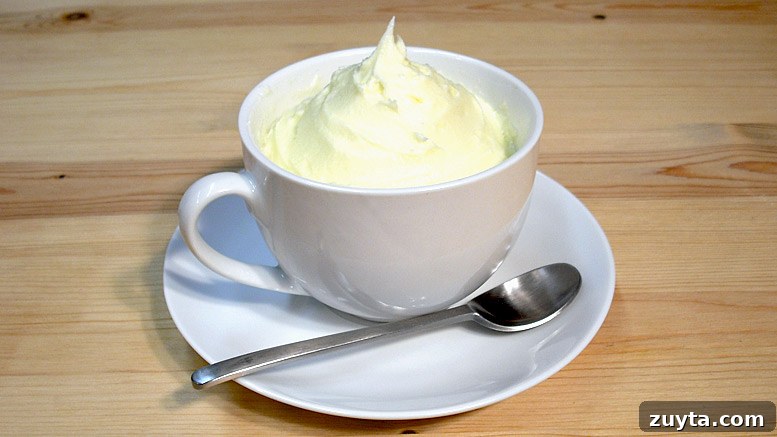
Queen cakes are small, delicate sponge cakes that date back to the Regency period and can be baked with or without currants. While many modern versions include currants or candied peel, the original Regency recipes—such as Maria Eliza Rundell’s 1808 instructions in A New System of Domestic Cookery—often suggest baking them in individual tea cups. These cakes are essentially early forms of what we now call cupcakes or fairy cakes: small, lightly textured sponges meant for tea-time serving.
The traditional icing recommended by Rundell is a thin royal icing flavoured with lemon zest and orange flower water and thickened with egg whites. This creates a glossy, slightly firm finish rather than the softer butter-based frostings popular today. If you prefer, you can also use a simple butter icing, which was historically acceptable too. For an authentic touch, try serving the cakes in the cups you baked them in—many Regency hosts would remove the cakes from their cups before icing, but presenting them still in the cups makes for a charming, period-inspired tea display.
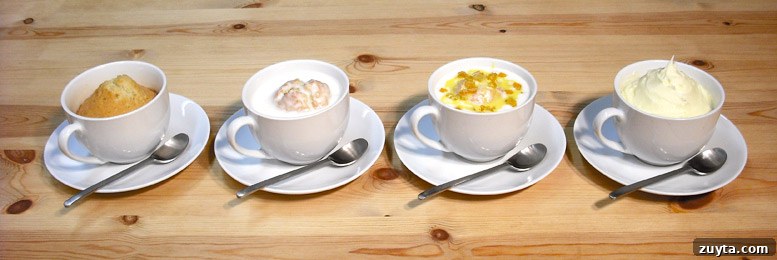
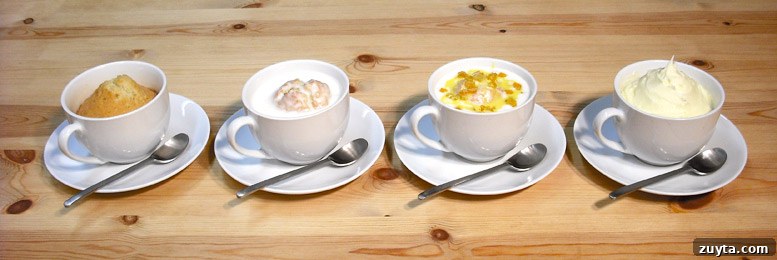
Examples shown: a plain Queen cake fresh from the oven; a cake iced using Maria Rundell’s royal icing; a cake topped with candied citrus peel; and a cake finished with lemon butter icing. You can bake these as individual cup cakes in tea cups, turn them out to ice, or make them in a standard cupcake tin as smaller fairy cakes.
Baking in a tea cup or porcelain mug: Baking in a porcelain tea cup or oven-safe mug works well for these cakes, as Rundell suggested. Avoid very fine bone china, cups with metal rims, hairline cracks, or chips. Grease each cup with butter before filling. These small sponge cakes need only low oven temperatures—about 180°C—and short bake times, so good-quality porcelain cups will tolerate the heat. Many affordable oven-safe cups are available; the ones used for these photos cost just a few pounds and have stood up to repeated baking.
Queen Cakes Recipe
This recipe yields enough batter for 4 large cups, 6 medium cups, or 8–10 small fairy cakes.
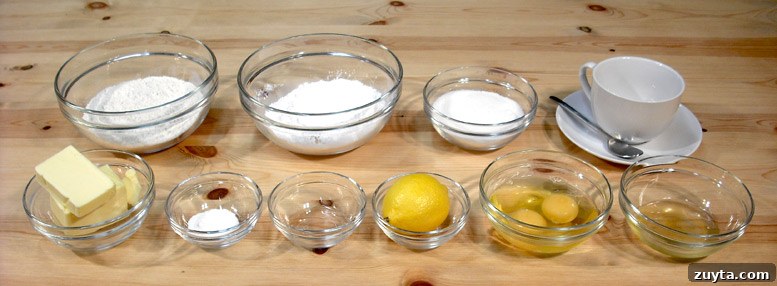
Recipe Ingredients
- 125g butter, softened
- 125g caster sugar
- 1 lemon, finely grated zest only
- 2 eggs, beaten
- 150g plain flour
- 1 tsp baking powder
- optional: 30g currants
For the lemon or orange royal icing
- 150g icing (powdered) sugar
- 1 egg white
- 1 tsp freshly squeezed lemon or orange juice and finely grated zest
- 1 tsp orange flower water
For the butter icing (optional)
- 150g icing (powdered) sugar
- 75g unsalted butter, softened
- 1 tbsp freshly squeezed lemon or orange juice and finely grated zest
Method
Preheat the oven to 180°C (350°F).
Butter a 12-hole non-stick cupcake tin or silicone muffin mould, or lightly butter 4–6 porcelain tea cups.
Cream the softened butter with the caster sugar and the lemon zest in a large mixing bowl until the mixture is light and fluffy. Gradually beat in the eggs, then sift in the flour and baking powder and fold gently until combined. If you want to follow Rundell’s earlier version, fold in the currants now. Divide the batter evenly among the prepared cups or cupcake holes.
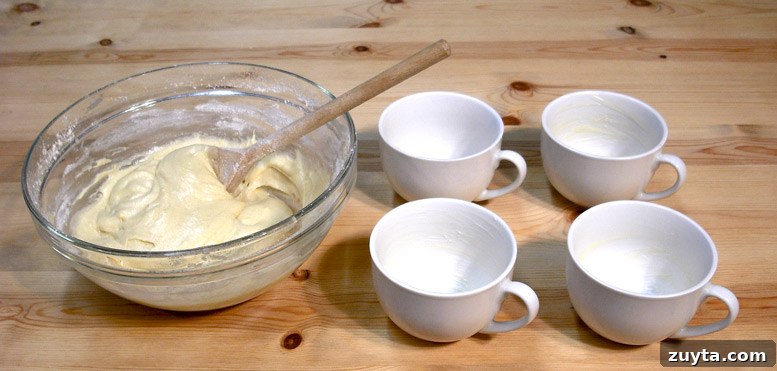
Bake for 20–30 minutes until the cakes are risen and golden. Smaller cakes will bake faster; the larger cups shown in the photos took closer to 35–40 minutes. Each cake should feel slightly springy in the centre when done.
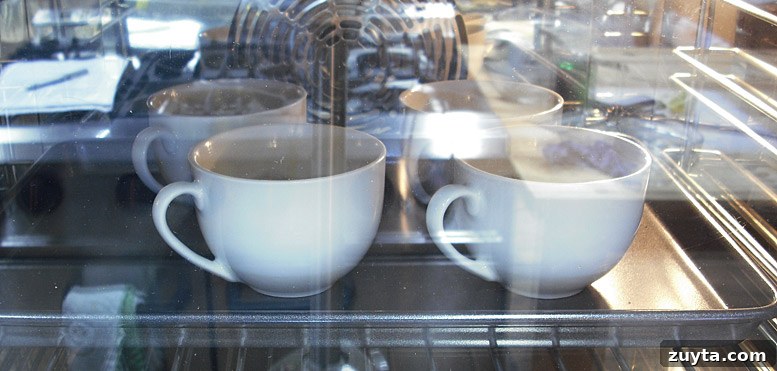
Remove the cakes from the oven and transfer to a wire rack to cool before icing. Alternatively, leave them in their cups and ice them there for a charming presentation.
Icing the cakes
Royal icing dries quickly, so cover it whenever it is not in use. For the royal (lemon or orange) icing: beat the egg white with the lemon or orange juice and orange flower water, then fold in the sifted icing sugar until smooth. Add the fine zest last. Use the icing immediately, or store it airtight until needed. If the icing becomes too runny, add more icing sugar; if it’s too stiff, a few drops of juice will loosen it.
For a butter icing, use roughly twice as much icing sugar as butter, add a little lemon zest and juice, and beat until soft and creamy. Pipe or spread as desired.
When the cakes are cool, spread a heaped teaspoon of royal icing or a dollop of butter icing on each one. Decorate with candied peel or grated zest if you like.
‘A New System Of Domestic Cookery’, By Maria Rundell, Published 1808
Icing for Cakes.
For a large one, beat and sift eight ounces of fine sugar, put into a mortar with four spoonfuls of rose-water, and the whites of two eggs beaten and strained, whisk it well, and when the cake is almost cold, dip a feather in the iceing, and cover the cake well; set it in the oven to harden, but don’t let it stay to discolour. Put the cake into a dry place.
Another way. Beat the whites of twenty fresh eggs; then by degrees beat a pound of double-refined sugar sifted through a lawn-sieve; mix these well in a deep earthen pan; add orange-flower water, and a piece of fresh lemon-peel; of the former enough to flavour, and no more. Whisk it for three hours till the mixture is thick and white; then with a thin broad bit of board spread it all over the cake.
Queen Cakes.
Mix a pound of dried flour, the same of sifted sugar, and of washed clean currants. Wash a pound of butter in rose-water, beat it well, then mix with it eight eggs, yolks and whites beaten separately, and put in the dry ingredients by degrees; beat the whole an hour; butter little tins, tea-cups, or saucers, and bake the batter in, filling only half. Sift a little fine sugar over just as you put into the oven.
Another way. Beat eight ounces of butter, and mix with two well beaten eggs, strained; mix eight ounces of dried flour, and the same of lump-sugar, and the grated rind of a lemon, then add the whole together, and beat full half an hour with a silver-spoon. Butter small pattypans, half fill, and bake twenty minutes in a quick oven.